
The Value of Trained Food Runners in High-Volume Restaurants
Trained food runners boost speed, accuracy, and service quality in high-volume restaurants.

Introduction to Food Runners
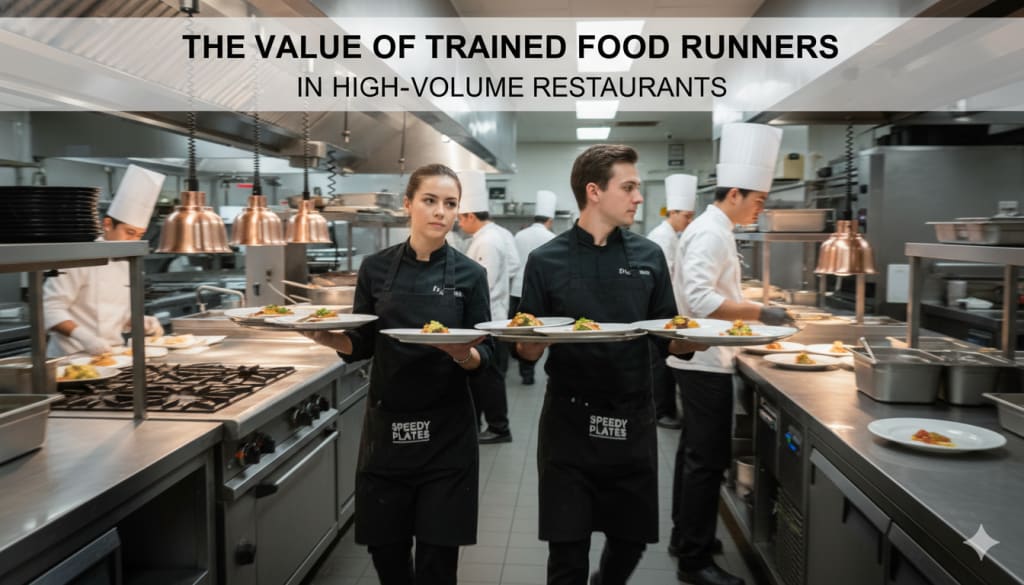
A food runner is the bridge between the kitchen and the dining room, ensuring dishes reach guests fresh, complete, and beautifully presented. While it may look simple, the job requires precision, awareness, and excellent coordination. In many busy restaurants, a trained food runner is the backbone of smooth and timely service.
Why Food Runners Are Essential in Busy Establishments
In high-volume operations where hundreds of meals are prepared daily, timing is everything. Servers often juggle multiple tables, so having a dedicated food runner helps maintain service flow. This role keeps the dining area moving efficiently while allowing servers to focus on the guest experience.
The Role of a Trained Food Runner
During rush hours, seconds matter. A trained food runner moves swiftly and confidently, preventing bottlenecks at the kitchen window and ensuring food doesn’t sit too long. Their presence helps reduce ticket times dramatically.
Maintaining Food Quality From Kitchen to Table
A dish may be perfectly prepared, but if mishandled or delayed, it can lose its appeal. Food runners make sure plates arrive hot, garnishes stay intact, and orders are delivered exactly as intended.
Supporting Servers and Kitchen Teams
Food runners provide essential support by helping servers focus on guest engagement and assisting kitchen staff with coordination. This teamwork contributes to an organized service and a better work environment for everyone involved.
Key Skills Every Food Runner Should Have
Clear communication ensures accuracy and prevents misunderstandings. A food runner constantly communicates with cooks, servers, and managers to deliver meals properly.
Strong Sense of Timing
Timing is a crucial element in dining. Food runners must understand pacing to avoid overwhelming tables or delaying other orders.
Understanding Restaurant Layout and Flow
Knowing the floor plan helps food runner navigate quickly, avoid collisions, and serve tables efficiently.
Physical Endurance and Stamina
The role requires continuous movement, carrying multiple plates, and handling busy shifts — physical endurance is essential.
How Trained Food Runner Improve Guest Experience
Faster Service Times
Guests appreciate prompt service. Trained food runner reduce wait times and ensure dishes arrive at the perfect moment.
Preventing Order Mistakes
Because they double-check tickets, food runner help prevent mishaps such as missing sides or incorrect items.
Enhancing Overall Hospitality
Even though they’re not the main point of contact, food runner contribute to the overall energy and hospitality of the restaurant.
Benefits to Restaurant Operations
Better Coordination Between Teams
A trained food runner works like a traffic controller, making sure the kitchen’s output flows smoothly into the dining room.
Increased Productivity in High-Volume Settings
When the entire staff collaborates well, productivity rises. Food runners boost workflow during peak business hours.
Reduced Pressure on Servers
Servers can shift their attention to building relationships, upselling, and providing memorable hospitality when food runners manage the logistical side of service.
Training Components for Effective Food Runner
Menu Knowledge
Understanding ingredients, allergens, and preparation methods helps runners answer basic questions and ensure orders are delivered correctly.
Plate Handling Techniques
Proper carrying methods prevent spills, burns, and accidents, especially when handling multiple plates at once or stacking pizza boxes.
Safety and Sanitation Practices
Cleanliness is non-negotiable in food service. Trained food runners follow all health guidelines to maintain a hygienic environment.
Customer Interaction Basics
Even limited interactions should be polite, friendly, and professional. A warm smile goes a long way.
Challenges Faced by Food Runners
Handling Large Orders
Big parties often request multiple dishes at once. Food runners must stay organized, balancing trays or handling complex deliveries.
Managing Fast-Paced Environments
The intensity of high-volume restaurants requires focus, quick thinking, and the ability to perform under pressure.
Balancing Multiple Responsibilities
Runners may be asked to prepare trays, assist in the kitchen, or support the server team multitasking is part of the job.
Why High-Volume Restaurants Rely on Trained Food Runners
Importance During Rush Hours
Restaurants can’t afford delays when every table is filled. Food runners help maintain a steady flow.
Scaling Operations Smoothly
As business increases, well-trained food runners allow a restaurant to function without compromising quality.
Ensuring Consistent Service Standards
From upscale dining to casual eateries, consistent delivery of food is essential to customer satisfaction.
Conclusion
A trained food runner is far more than a helper they are a vital part of a successful, high-volume restaurant operation. With the ability to support servers, maintain food integrity, and improve service times, they enhance both guest satisfaction and operational efficiency. Whether working alongside the food & beverage staff, assisting a busy restaurant worker, or transferring stacks of pizza boxes, the role requires skill, training, and dedication. Investing in trained food runners is an investment in a restaurant’s long-term success.
About the Creator
Larry Clark
I am a dedicated and skilled professional specializing in custom packaging solutions. With a deep understanding of packaging design, I focus on creating high-quality, tailored boxes for cakes, food, and cosmetics.
Keep reading
More stories from Larry Clark and writers in 01 and other communities.
Which Is Better, 200 GSM or 300 GSM?
When it comes to packaging, printing, or even custom gift wrapping, the GSM (Grams per Square Meter) of paper or card stock plays a crucial role in determining quality, strength, and appearance. Many people get confused when choosing between 200 GSM and 300 GSM, especially for items like boxes, cards, or bottles. In this guide, we’ll break down the differences, help you understand which is better for your purpose, and explain how GSM affects overall presentation and durability.
By Larry Clark2 months ago in 01
These Billionaires Bet Big On GreenLand—After Trump Took Interest
Topline Just months after President Donald Trump first expressed interest in the United States possibly gaining control over Greenland, some of the richest people in the world—including Jeff Bezos, Bill Gates and Michael Bloomberg—began making strategic investments in the mineral-rich island.
By Dena Falken Esqa day ago in 01



Comments
There are no comments for this story
Be the first to respond and start the conversation.