
Which Is Better, 200 GSM or 300 GSM?
Discover the key differences between 200 GSM and 300 GSM paper learn which thickness is best for packaging, printing, and professional presentation.

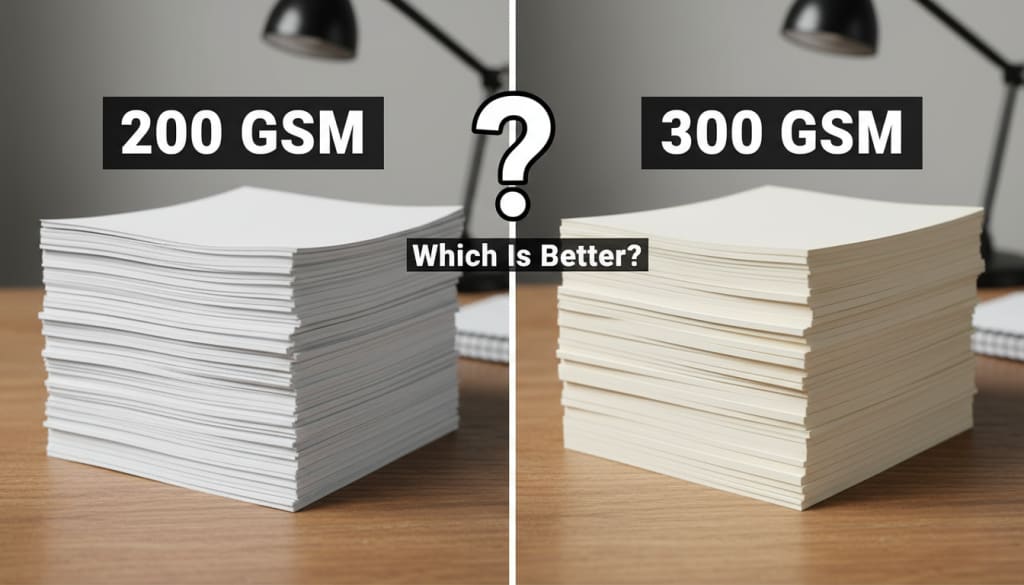
When it comes to packaging, printing, or even custom gift wrapping, the GSM (Grams per Square Meter) of paper or card stock plays a crucial role in determining quality, strength, and appearance. Many people get confused when choosing between 200 GSM and 300 GSM, especially for items like boxes, cards, or bottles. In this guide, we’ll break down the differences, help you understand which is better for your purpose, and explain how GSM affects overall presentation and durability.
What Does GSM Mean?
GSM (Grams per Square Meter) measures the thickness and weight of paper or cardboard. The higher the GSM number, the thicker and heavier the paper will be.
Here’s a quick way to think about it:
- Low GSM (below 150) = lightweight, flexible paper (used for flyers or wrapping).
- Medium GSM (150–250) = thicker paper, often used for premium brochures or posters.
- High GSM (250–400+) = strong, rigid card stock suitable for packaging, covers, and boxes.
So, the GSM number directly affects the look, feel, and durability of your material.
Difference Between 200 GSM and 300 GSM
Let’s break down how 200 GSM and 300 GSM compare in terms of strength, texture, and application.
- Feature 200 GSM 300 GSM
- Thickness Medium Thick and sturdy
- Flexibility Slightly flexible Rigid and strong
- Weight Lighter Heavier
- Print Quality Smooth and clear High-end, premium finish
- Durability Good for short-term use Excellent for long-lasting use
- Best Use Posters, tags, or inserts Boxes, packaging, cards, or bottle tags
When to Choose 200 GSM
200 GSM paper is a great balance between strength and flexibility. It’s not too thick but strong enough to hold shape well.
Best For:
- Flyers or brochures that need a professional look but easy handling.
- Product inserts or small tags that don’t require a rigid surface.
- Gift wrapping or light packaging for bottles, candles, or handmade crafts.
Advantages:
- Affordable and versatile.
- Easy to fold and cut.
- Works well with most printers.
If your goal is to maintain flexibility while keeping a decent presentation, 200 GSM is a solid choice.
When to Choose 300 GSM
300 GSM is considered a premium-grade paperboard. It feels sturdy, professional, and luxurious perfect for packaging or gifting.
Best For:
- High-quality packaging like custom boxes, bottle neck tags, or greeting cards.
- Product labels or invitation cards that need durability and an elegant finish.
- Branding materials where first impressions matter.
Advantages:
- Extremely durable and resistant to bending.
- Gives a premium, high-end look.
- Supports lamination, embossing, and foil stamping beautifully.
If you’re wrapping a bottle neck or creating a custom label that needs to hold shape and structure, 300 GSM provides the perfect balance of luxury and strength.
How GSM Affects Bottle Wrapping and Packaging
When wrapping a bottle neck, the GSM determines how well the paper or tag sits around the curved surface.
- 200 GSM works better if you need flexibility—like for a decorative wrap or tag that folds easily.
- 300 GSM is ideal for stiff bottle neck collars or packaging tags that need to stay upright without bending.
For commercial packaging, such as wine or perfume bottles, businesses often use 300 GSM or higher because it holds branding elements neatly and resists wrinkles.
Other Factors to Consider Before Choosing
1. Purpose of Use
Ask yourself—do you need the paper for decoration, protection, or branding? If it’s decorative, 200 GSM may suffice. For brand-quality presentation, go with 300 GSM.
2. Budget
300 GSM paper is costlier due to its thickness and printing quality. However, for long-term value and durability, it’s often worth the extra investment.
3. Printing Technique
Some printers handle 300 GSM less efficiently due to thickness. Always check printer compatibility before bulk production.
4. Aesthetic Appeal
300 GSM offers a luxurious, tactile feel—perfect for premium product packaging like Personalized Kraft Bags that demand both durability and elegance.
Which Is Better Overall — 200 GSM or 300 GSM?
There’s no universal “better,” as it depends on your purpose:
- Choose 200 GSM if you want lightweight, affordable, and flexible paper.
- Choose 300 GSM if you want sturdy, professional, and premium material.
For packaging, gift wrapping, or bottle neck tags, 300 GSM usually wins because of its structural integrity and polished finish. It doesn’t wrinkle easily and gives products a refined appearance that boosts perceived value.
Conclusion
In short, the choice between 200 GSM vs. 300 GSM depends on how you plan to use it. For light wrapping or economical printing, 200 GSM works perfectly. But if you’re creating something that needs to look and feel luxurious like bottle packaging, branded tags, or sturdy boxes 300 GSM is the superior option.
Always remember: your packaging speaks volumes about your brand or gift. Investing in the right GSM ensures your product not only looks stunning but also stays protected.
FAQs
1. Is 300 GSM paper waterproof?
Not by default, but you can make it water-resistant through lamination or coating.
2. Can I print photos on 200 GSM paper?
Yes, 200 GSM is great for posters or photo prints that don’t need rigid backing.
3. Which GSM is best for business cards?
Typically, 300–400 GSM gives the best quality for durable business cards.
4. Can I use 200 GSM paper for packaging bottles?
You can, but it’s more suitable for decorative wraps than for structured packaging.
5. Is higher GSM always better?
Not necessarily. Higher GSM means thicker paper, which isn’t ideal for every purpose. Choose based on your needs, not just the number.
About the Creator
Larry Clark
I am a dedicated and skilled professional specializing in custom packaging solutions. With a deep understanding of packaging design, I focus on creating high-quality, tailored boxes for cakes, food, and cosmetics.
Keep reading
More stories from Larry Clark and writers in 01 and other communities.
How much does breakfast in New York cost?
New York City isn’t just known for its iconic skyline and endless energy it’s also famous for its food scene. But if you’re planning to grab breakfast in the city that never sleeps, you might wonder: how much does breakfast in New York cost?
By Larry Clark4 months ago in 01
Top 10 Cryptocurrency Marketing Tactics for Explosive Token Growth in 2026
The cryptocurrency industry in 2026 has reached a stage where innovation alone is not enough to guarantee success. Every month, hundreds of blockchain projects, DeFi protocols, NFT ecosystems, and token-based platforms enter the market, yet only a few manage to capture significant attention and achieve large-scale adoption. The difference between projects that succeed and those that disappear often lies in the strength of their marketing strategy. Cryptocurrency marketing has evolved far beyond simple social media promotions and community announcements. Today’s blockchain projects operate in a highly competitive digital ecosystem where visibility, trust, and engagement play a critical role in determining long-term success. Investors and users are also becoming more informed, carefully evaluating tokenomics, partnerships, technological capabilities, and community strength before supporting a project.
By Jack santo4 days ago in 01
Bomb Scare
It was 2027, and the world never thought it would happen. A missle hit the United States, but it wasn't where they had anticipated. A little town in the northeast was hit by a missile strike, they didn't know why, and they didn't know exactly where it hit, but they did know it was a coastal community, somewhere between Maine and Delaware.
By Gregory Payton7 days ago in Fiction




Comments
There are no comments for this story
Be the first to respond and start the conversation.