
The Intersection of DevOps and AI in Radiology: Enhancing Diagnostics and Healthcare Delivery
Discover how DevOps and AI are transforming radiology, enhancing diagnostic accuracy, reducing human error, and streamlining healthcare delivery for better patient outcomes.

The healthcare industry has always been a hotbed for technological innovations, and today, we are witnessing a profound transformation with the integration of artificial intelligence (AI) into medical diagnostics. One area experiencing tremendous growth and potential is AI in radiology, where machine learning and AI-powered tools are revolutionizing how radiologists analyze medical images. These advancements are drastically improving diagnostic accuracy, reducing human error, and speeding up treatment decisions. However, behind the seamless operation of these AI systems lies the critical role of DevOps service providers, who ensure the smooth and rapid development, deployment, and maintenance of AI-driven solutions.
Radiology has always relied heavily on technology, with diagnostic tools like X-rays, MRIs, and CT scans serving as critical components in patient care. But as the volume and complexity of medical imaging data continue to grow, the need for faster, more accurate analysis has become paramount. This is where AI comes into play, enabling the automation of image analysis and the detection of patterns that might not be visible to the human eye. However, to fully harness the power of AI in radiology, healthcare organizations need a robust DevOps framework to deploy these AI tools quickly, securely, and at scale.
DevOps: Enabling the Power of AI in Radiology
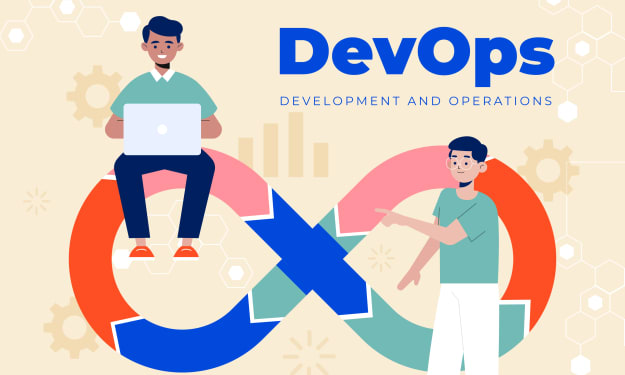
DevOps is a methodology that bridges the gap between development and IT operations, facilitating continuous integration, delivery, and deployment. For AI-driven solutions in radiology to work effectively, they must be deployed on reliable infrastructure that can scale as data demands grow. DevOps service providers play a key role in ensuring that these AI tools are not only deployed seamlessly but are continuously updated with new data and models to maintain accuracy and efficiency.
Here’s how DevOps enhances AI in radiology:
1. Streamlining the Deployment of AI Models
AI models in radiology are trained on massive datasets of medical images, from which they learn to identify patterns and abnormalities. However, these models need to be deployed across various healthcare systems, integrated with existing tools, and continuously updated with new data. This is where DevOps becomes essential. DevOps automates the deployment process, ensuring that AI models can be integrated quickly and efficiently into radiology workflows without disrupting ongoing patient care.
By implementing continuous integration and continuous delivery (CI/CD) pipelines, DevOps enables healthcare providers to deploy updated AI models in real-time. This ensures that the AI tools used by radiologists are always based on the most current medical knowledge, leading to better diagnostic outcomes and faster treatment decisions.
2. Ensuring Data Security and Compliance
Healthcare is a highly regulated industry, and when it comes to implementing AI in radiology, data security and compliance are critical concerns. Medical images contain sensitive patient information, which must be protected under regulations like HIPAA (Health Insurance Portability and Accountability Act) in the United States and GDPR (General Data Protection Regulation) in Europe.
DevOps service providers implement robust security protocols, ensuring that AI systems handling medical images are compliant with healthcare regulations. Through automated security checks, continuous monitoring, and strict access controls, DevOps ensures that patient data remains secure throughout the deployment and operation of AI models. This level of security and compliance is essential for building trust in AI-powered radiology tools and ensuring their widespread adoption across healthcare systems.
3. Enhancing Diagnostic Accuracy and Reducing Human Error
AI has shown immense promise in improving diagnostic accuracy in radiology. AI algorithms can analyze medical images with high precision, detecting abnormalities such as tumors, fractures, and lesions that may be missed by human radiologists. For instance, AI in radiology can help detect early-stage cancers in mammograms or identify stroke-related damage in brain scans within seconds. These advancements are crucial in reducing human error, which can sometimes lead to misdiagnoses or delayed treatment.
With the help of DevOps, healthcare organizations can ensure that AI-powered diagnostic tools are continuously improved and updated based on the latest medical research and datasets. DevOps enables AI models to be retrained and redeployed seamlessly, ensuring that radiologists are always using the most accurate and effective tools in their practice. This reduces the risk of misdiagnosis and leads to better patient outcomes.
AI in Radiology: Future Trends and Opportunities
The integration of AI in radiology is still in its early stages, but the potential for further innovation is immense. With the support of DevOps, the future of AI-powered radiology looks bright. Here are some of the trends to watch for:
1. AI-Powered Imaging for Faster Diagnostics
As AI continues to evolve, one of the most promising applications is the development of AI-powered imaging systems that can analyze medical images in real-time. Imagine a scenario where an AI system can analyze a CT scan or MRI during the imaging process, providing immediate feedback to the radiologist. This would allow for faster diagnoses, particularly in emergency situations where time is of the essence, such as detecting brain hemorrhages or heart attacks.
For these AI-powered imaging systems to work seamlessly, they must be deployed on reliable infrastructure that can handle real-time data processing. This is where DevOps plays a critical role. By automating the deployment and scaling of these AI tools, DevOps ensures that AI-powered imaging systems can provide real-time analysis without delays or interruptions.
2. Integration of AI with Electronic Health Records (EHR)
Another exciting trend is the integration of AI-powered radiology tools with electronic health records (EHR) systems. By combining medical images with patient data from EHRs, AI algorithms can provide more personalized diagnoses and treatment recommendations. For example, an AI system could analyze a patient’s medical history, genetics, and current imaging results to suggest the most effective treatment options for a specific condition.
However, integrating AI with EHRs is a complex process that requires careful orchestration. DevOps service providers ensure that AI models are seamlessly integrated with EHR systems, allowing for smooth data exchange between imaging tools and patient records. This integration improves the accuracy and speed of diagnoses, ultimately enhancing the quality of care provided to patients.
3. Continuous Learning for AI Models
AI models used in radiology are constantly learning and improving as they are exposed to more data. This continuous learning process allows AI algorithms to become more accurate over time, leading to better diagnostic outcomes. However, for AI models to continue learning effectively, they must be continuously updated with new data and medical research.
DevOps enables continuous learning by automating the retraining and redeployment of AI models. This ensures that AI-powered diagnostic tools are always using the latest and most relevant information, leading to improved diagnostic accuracy and faster treatment decisions. With DevOps, AI models can be updated without disrupting ongoing patient care, ensuring that radiologists can continue to rely on AI tools to deliver high-quality diagnoses.
Conclusion: DevOps and AI – A Powerful Combination for Radiology
The combination of DevOps service providers and AI in radiology is revolutionizing how healthcare providers deliver diagnostics and patient care. By streamlining the deployment of AI models, ensuring data security, and enabling continuous improvement, DevOps ensures that AI-driven radiology tools can be deployed quickly, efficiently, and at scale. As AI technology continues to evolve, the role of DevOps will become even more critical in ensuring that radiology remains at the forefront of healthcare innovation.
The future of AI in radiology looks incredibly promising, with advancements in real-time imaging, personalized diagnoses, and continuous learning on the horizon. By embracing both DevOps and AI, healthcare organizations can deliver faster, more accurate diagnoses, reduce human error, and ultimately improve patient outcomes.
About the Creator
Keep reading
More stories from Stephan Hawke and writers in 01 and other communities.
DevOps and the IoT: Molding the Future of Smart Technologies by 2025
In the swiftly evolving landscape of smart technology, the symbiosis between DevOps and the Internet of Things (IoT) is not just inevitable but essential. As we march towards 2025, this integration is poised to redefine how we deploy, monitor, and manage the sprawling network of interconnected devices that permeate our personal and professional spaces. The dynamic nature of IoT applications demands agility, security, and continuous improvement—core tenets that DevOps is uniquely equipped to deliver.
By Stephan Hawkeabout a year ago in 01
Twitter Down
Twitter Down When a major social media platform like Twitter experiences technical problems, millions of users immediately search for answers. Twitter, also known as X, plays a central role in news sharing, public discussion, and real time updates, so even short disruptions can feel significant. Recently, many users have reported difficulties accessing Twitter, loading timelines, posting content, or using certain features. This has led to widespread questions about whether Twitter is down, why it happens, and what users should expect. This article answers the most common questions people search for and explains the situation clearly.
By America today 4 days ago in 01
Mobile App Development Costs Seattle Companies Need to Know
It usually happens in a quiet conference room or at a kitchen table turned into an office. A Seattle business leader studies a proposal and feels conflicted. The number makes sense on paper. It fits the spreadsheet. Yet something about it feels incomplete.
By Mary L. Rodriquezabout 12 hours ago in 01



Comments (1)
This was a new topic for me. Happy to know. If you wish you can subscribe me as well as I did to you 🥰