
DevOps and the IoT: Molding the Future of Smart Technologies by 2025
Exploring the transformative role of DevOps in enhancing and securing the Internet of Things (IoT) landscape as we approach the future of interconnected technologies.
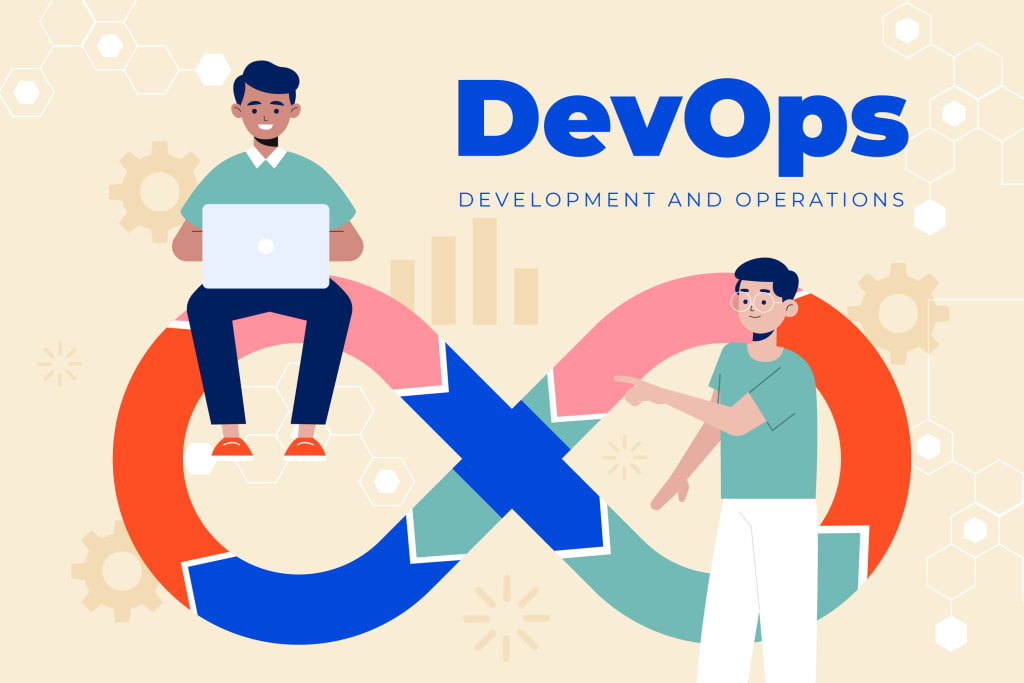
In the swiftly evolving landscape of smart technology, the symbiosis between DevOps and the Internet of Things (IoT) is not just inevitable but essential. As we march towards 2025, this integration is poised to redefine how we deploy, monitor, and manage the sprawling network of interconnected devices that permeate our personal and professional spaces. The dynamic nature of IoT applications demands agility, security, and continuous improvement—core tenets that DevOps is uniquely equipped to deliver.
The Convergence of DevOps and IoT
The future of smart technologies is hinged on their ability to not only collect and analyze data but to adapt and evolve in real-time to the users' needs. This is where DevOps comes into play, providing a framework that enhances the capabilities of IoT solutions through faster updates, improved reliability, and streamlined operations. As we look towards 2025, the role of DevOps services will become increasingly crucial in enabling this adaptability at scale.
Enhancing Automation
One of the key advantages of integrating DevOps with IoT is the enhancement of automation across various verticals. Automation in IoT, facilitated by DevOps, goes beyond mere convenience; it ensures the operational efficiency of devices, enhances the user experience, and reduces the potential for human error. With continuous integration and deployment, IoT devices can receive updates more swiftly and reliably, keeping the system optimal without downtime or manual intervention.
Security and Continuous Updates
As the number of connected devices skyrockets, so does the complexity of securing them. DevOps offers robust methodologies for integrating security protocols into the software development life cycle from the outset. By implementing DevSecOps—integrating security practices within the DevOps process—organizations can ensure that every firmware update and device patch not only enhances functionality but also fortifies security.
The 2025 landscape for IoT is not just about smarter devices but safer ones. Through DevOps, developers can automate security protocols, ensuring that devices are not just functional but are also fortified against the increasing threats in the cyber landscape.
Predictive Maintenance and Real-Time Monitoring
DevOps facilitates real-time monitoring and predictive maintenance of IoT devices. This capability is crucial for anticipating failures and mitigating them before they cause disruptions. The continuous data streams generated by IoT devices are monitored and analyzed, with insights funneled back into the development cycle to improve and optimize the device performance continuously.
Operational Resilience
The operational resilience offered by DevOps is critical for IoT environments where the cost and scale of potential failures are enormous. DevOps practices like microservices architecture and containerization allow for parts of the IoT ecosystem to be updated or repaired without impacting the entire network. This modular approach ensures that the system is not just resilient but also scalable and flexible—adapting to new requirements as they arise.
Emerging Technologies Shaping DevOps in 2025
As we look towards 2025, several emerging technologies are set to revolutionize the field of DevOps, making processes more efficient, secure, and responsive to the needs of modern businesses. Here’s a glance at some key technologies that are on the brink of transforming DevOps practices:
Artificial Intelligence and Machine Learning: AI and ML are becoming integral to DevOps strategies, offering unprecedented capabilities in predictive analytics, automated code reviews, and intelligent monitoring. These technologies help in predicting system failures, automating routine tasks, and providing insights that drive faster and more effective decision-making.
Serverless Computing: By 2025, serverless architectures will likely be more prevalent, allowing developers to focus on writing code without worrying about the underlying infrastructure. This shift will reduce overhead costs and streamline deployment cycles, fostering a more agile DevOps environment.
Containers and Kubernetes: While containers are already popular, their use will continue to grow, especially with Kubernetes managing container orchestration. This technology simplifies scaling, management, and deployment of applications, enhancing the flexibility and resilience of DevOps pipelines.
Microservices Architecture: As businesses continue to move away from monolithic structures, microservices architectures will become a staple in DevOps strategies. This approach allows individual components of an application to be developed, tested, and deployed independently, improving cycle times and reducing risks associated with large-scale updates.
Edge Computing: With the exponential growth of IoT devices, edge computing will play a crucial role in DevOps by processing data closer to its source. This reduces latency, improves load times, and enhances the user experience, aligning with DevOps goals of efficiency and customer satisfaction.
Blockchain for Enhanced Security: Blockchain technology offers immutable and transparent transaction logs, which can be instrumental in DevOps for secure, traceable, and efficient management of development and deployment pipelines.
These technologies not only promise to optimize the technical aspects of DevOps but also aim to reinforce collaboration and communication across operational and development teams. As we navigate towards 2025, staying abreast of these advancements will be crucial for organizations aiming to leverage DevOps at its full potential.
Conclusion: The Strategic Imperative of DevOps in IoT
As we advance towards 2025, the integration of DevOps with IoT will not merely be an operational choice but a strategic imperative. The agility, security, and continuous improvement offered by DevOps are not just enhancing the functionality of IoT devices but are crucial for ensuring they can operate effectively in an increasingly connected world. For businesses, embracing this integration means not just keeping up with technology trends but setting the pace for innovation in the digital era.
Organizations looking to leverage this potential must consider not just adopting IoT but integrating DevOps methodologies into their development and operational strategies to harness the full potential of smart technologies. Embracing these practices now will provide them with a competitive edge in a future where technology is not just present but pervasive and paramount in our everyday lives.
About the Creator
Keep reading
More stories from Stephan Hawke and writers in 01 and other communities.
Transforming Healthcare: The Impact of Generative AI
The realm of healthcare is witnessing a revolutionary shift, powered by the advent and integration of Generative Artificial Intelligence (AI). This cutting-edge technology is redefining the standards of medical diagnostics, treatment personalization, and operational efficiency, collaborating seamlessly with existing machine learning frameworks to foster significant advancements in healthcare services.
By Stephan Hawkeabout a year ago in 01
Twitter Down
Twitter Down When a major social media platform like Twitter experiences technical problems, millions of users immediately search for answers. Twitter, also known as X, plays a central role in news sharing, public discussion, and real time updates, so even short disruptions can feel significant. Recently, many users have reported difficulties accessing Twitter, loading timelines, posting content, or using certain features. This has led to widespread questions about whether Twitter is down, why it happens, and what users should expect. This article answers the most common questions people search for and explains the situation clearly.
By America today 4 days ago in 01
Ludacris and Nelly draw backlash over bookings at MAGA-coded music festival
Ludacris and Nelly headlining a mostly right-wing event is good for them. It’s also great for the genre of hip hop. The two rap veterans have showcased their talents on other stages. Why can’t they perform for mostly MAGA folks and grab that bag?
By Skyler Saunders5 days ago in Beat




Comments
There are no comments for this story
Be the first to respond and start the conversation.