
The History, Mechanics, and Impact of Bitcoin: The First Decentralized Digital Currency
Understanding Bitcoin: The First Cryptocurrency

In the ever-evolving landscape of finance and technology, few innovations have captured global attention quite like Bitcoin. As the world’s first decentralized digital currency, Bitcoin has not only revolutionized how we think about money but also challenged traditional financial systems. Its creation marked a pivotal moment in history, introducing concepts that continue to shape industries worldwide. This article delves into the origins, mechanics, and profound impact of Bitcoin, exploring why it remains one of the most sought-after topics globally.
A Brief History of Bitcoin
Bitcoin was introduced in 2008 by an enigmatic figure (or group) known as Satoshi Nakamoto through a whitepaper titled “Bitcoin: A Peer-to-Peer Electronic Cash System.” The paper outlined a vision for a new form of currency that would operate independently of central authorities such as banks or governments. In January 2009, the Bitcoin network went live, with Nakamoto mining the first block—known as the Genesis Block—and embedding a message referencing a headline from The Times newspaper: “Chancellor on brink of second bailout for banks.” This subtle nod underscored Bitcoin's purpose: to offer an alternative to the flawed centralized financial system exposed during the 2008 financial crisis.
Over the years, Bitcoin grew from obscurity to prominence. Early adopters were tech enthusiasts and libertarians drawn to its promise of freedom from institutional control. By 2010, Bitcoin gained real-world utility when Laszlo Hanyecz famously purchased two pizzas for 10,000 BTC—a transaction now celebrated annually as "Bitcoin Pizza Day." Since then, Bitcoin's value skyrocketed, attracting investors, entrepreneurs, and even skeptics who debated its long-term viability.
How Bitcoin Works: The Mechanics Behind the Magic
At its core, Bitcoin is powered by blockchain technology—a distributed ledger that records all transactions across a network of computers. Here’s a breakdown of its key components:
Decentralization : Unlike traditional currencies issued by central banks, Bitcoin operates on a peer-to-peer network without intermediaries. Transactions are verified by nodes (computers participating in the network), ensuring transparency and security.
Blockchain : Every Bitcoin transaction is grouped into blocks, which are linked together chronologically to form a chain. Each block contains a cryptographic hash of the previous block, making tampering nearly impossible. This immutability ensures trust within the system.
Mining : New bitcoins are created through a process called mining, where powerful computers solve complex mathematical puzzles to validate transactions and add them to the blockchain. Miners are rewarded with newly minted bitcoins, incentivizing participation while maintaining network integrity.
Limited Supply : One of Bitcoin's defining features is its capped supply of 21 million coins. This scarcity mimics precious metals like gold and contrasts sharply with fiat currencies, which can be printed indefinitely by governments.
Wallets and Keys : To store and transact Bitcoin, users rely on digital wallets secured by private keys—unique strings of characters acting as passwords. Losing access to these keys means losing access to one’s funds, highlighting both the autonomy and responsibility inherent in using Bitcoin.
The Global Impact of Bitcoin
Bitcoin’s emergence has had far-reaching implications across various domains:
Financial Freedom and Inclusion
For millions of people in underbanked regions, Bitcoin offers a lifeline to participate in the global economy. Without needing a bank account, individuals can send, receive, and store value securely. Remittances, often burdened by high fees, become cheaper and faster with cryptocurrencies.
Store of Value and Investment
Dubbed “digital gold,” Bitcoin has emerged as a hedge against inflation and economic instability. Investors view it as a store of value due to its limited supply and deflationary nature. Institutional adoption has surged, with companies like Tesla, MicroStrategy, and Square adding Bitcoin to their balance sheets.
Technological Innovation
Beyond finance, Bitcoin’s underlying blockchain technology has inspired countless applications. Industries ranging from healthcare to supply chain management leverage blockchain for enhanced transparency, efficiency, and security. Smart contracts, pioneered by Ethereum, owe their existence to Bitcoin’s foundational principles.
Regulatory Challenges
While Bitcoin empowers users, it poses challenges for regulators grappling with issues like tax evasion, money laundering, and illicit activities. Governments worldwide are crafting policies to balance innovation with oversight, sparking debates over privacy versus accountability.
Environmental Concerns
Bitcoin mining’s energy consumption has sparked controversy, with critics arguing it contributes to carbon emissions. However, proponents highlight efforts to transition toward renewable energy sources and more sustainable practices.
Why People Are Fascinated by Bitcoin
Bitcoin taps into universal desires for autonomy, wealth creation, and technological advancement. Its potential to disrupt entrenched systems resonates deeply in an era defined by distrust of institutions and growing demand for digital solutions. Moreover, its volatile price movements captivate traders seeking opportunities, while its philosophical underpinnings attract those yearning for financial sovereignty.
As the pioneer of decentralized digital currencies, Bitcoin has left an indelible mark on society. From its humble beginnings as an experimental idea to becoming a multi-billion-dollar asset class, Bitcoin exemplifies the power of innovation. While uncertainties remain regarding its future role, there’s no denying its transformative influence. Whether viewed as a speculative investment, a tool for empowerment, or a catalyst for change, Bitcoin continues to inspire curiosity and debate—solidifying its place at the forefront of humanity’s quest for progress
About the Creator
nuwan
My goal is to share what i know with you
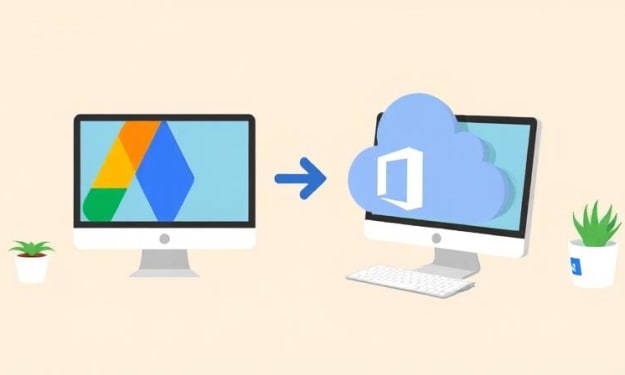
Migrate from G Suite to Office 365 While Preserving Metadata & Permissions
With the growing business size, the storage and resource requirements also start to evolve. Several aspiring businesses migrate from Google Workspace to Office 365 to access advanced collaboration and communication tools. Google Workspace and Office 365, both are feature-rich SaaS platforms, designed to boost the efficiency of business operations. However, they are still quite different from each other and can experience challenges during the shift.
By Xanthe Claya day ago in 01
Understanding 925 Sterling Silver Jewelry: History, Craft, and Modern Relevance
Jewelry has been a part of human culture for thousands of years, serving purposes that extend far beyond decoration. Among the many materials used in adornment, 925 sterling silver jewelry holds a distinct and enduring place. Known for its balance of beauty, durability, and accessibility, sterling silver continues to be valued across cultures and generations.
By charliesamuel7 days ago in 01



Comments
There are no comments for this story
Be the first to respond and start the conversation.