
The Air-Purifying Powerhouse List: NASA-Studied Plants AI Recommends for Your Bedroom
Discover the best NASA-tested plants for cleaner air in your bedroom and learn the science—and the limits—of how they work.

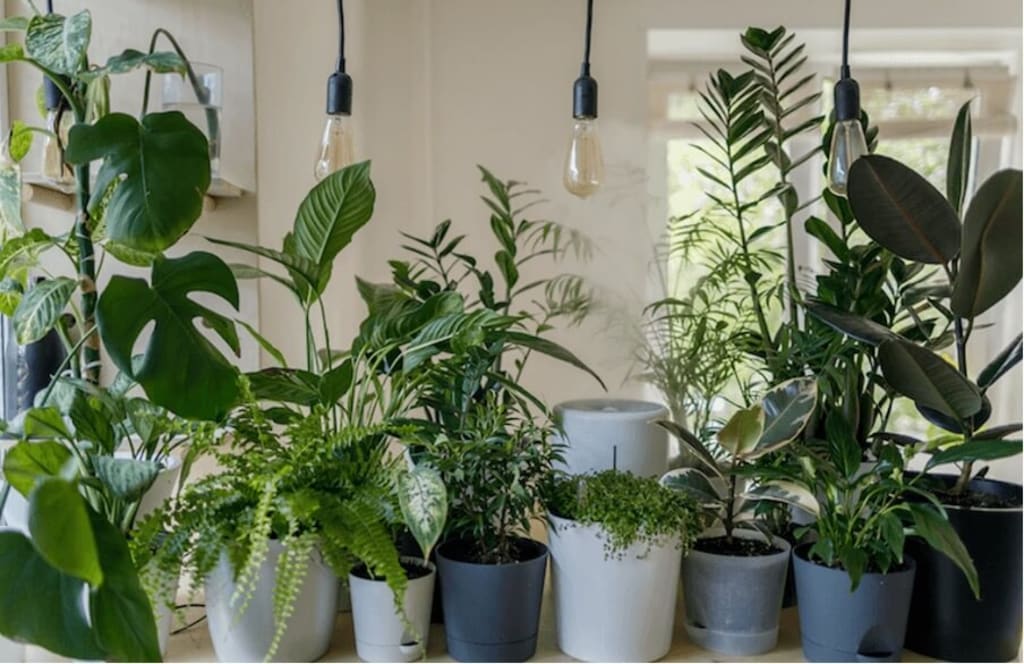
We spend about a third of our lives in our bedrooms, making it the most personal space in our homes. Yet, the air in this sanctuary can hold unseen guests: volatile organic compounds (VOCs) like formaldehyde from furniture or benzene from cleaning products. For decades, a popular solution has been to bring in greenery, championed by a famous NASA study from the 1980s. But how effective are these plants really, and which ones are truly the best allies for your sleep space?
As someone who works with plant data daily, I believe in empowering with both knowledge and context. The NASA Clean Air Study was a landmark project designed to find ways to purify air in sealed environments like space stations. It found that certain common houseplants, along with the microorganisms in their soil, could remove significant amounts of specific VOCs from the air. This groundbreaking research gave us an invaluable list of botanical air scrubbers. However, recent analyses are clear: to achieve the same dramatic results in a typical home, you would need an impractical number of plants—perhaps dozens per room. Does this mean the idea is a myth? Not exactly. It means we should view plants as one part of a healthy bedroom ecosystem. They offer a modest, natural boost to air quality while providing proven psychological benefits like stress reduction and a connection to nature. Let's explore the best plants from NASA's research for your bedroom, with clear-eyed expectations and practical care tips.
The Top Contenders: NASA-Studied Plants for Your Bedroom
For bedroom use, the ideal plant is a triple threat: it should have documented air-filtering properties, be suitable for typical indoor light conditions, and preferably be safe and easy to care for. The following plants, drawn from NASA's research and subsequent analysis, excel in these areas.

The Science and the Caveat: How It Really Works
To use these plants effectively, it helps to understand how they clean air. The NASA research revealed a surprising key player: the plant's root zone. While leaves play a role, the study found that microorganisms in the soil do the bulk of the work breaking down toxic chemicals, which the plant then uses as nutrients.
The major caveat, as highlighted by organizations like the American Lung Association, is scale. The NASA experiments used sealed chambers, not dynamic, ventilated living spaces. A 2020 review concluded that the natural air exchange in a typical home far outpaces a few plants' capacity, and matching lab results would require an improbable 10-1,000 plants per square meter.
This doesn't render the plants useless; it reframes their benefit. Think of them not as stand-alone air purifiers, but as gentle, living supplements. They contribute to a healthier environment by subtly reducing pollutant levels, increasing humidity, and releasing oxygen. For significant air quality issues, source control (using fewer VOC-emitting products) and proper ventilation are irreplaceable.
Maximizing the Benefits in Your Bedroom
To get the most from your green companions, strategic placement and care are essential. A tool like the AI Plant Finder app can be invaluable here for instant identification and personalized care reminders.
- Match the Plant to the Light: This is the most critical step for a healthy plant. Use your app's light meter or assess your room. Low-light champions like Snake Plants and Chinese Evergreens are perfect for rooms with north-facing windows or limited sun. For a brighter room with indirect light, consider a Spider Plant or Bamboo Palm.
- Prioritize Placement for Safety and Airflow: Place plants where there is some air circulation to help them process airborne compounds. More importantly, if a plant is toxic (like the beautiful Peace Lily), ensure it is completely out of reach of curious pets or children.
- Care for the Whole System: Remember, healthy soil microbes are essential. Avoid overwatering, which can lead to root rot and mold growth in the soil—ironically harming air quality. Water according to each plant's needs and ensure pots have drainage.
Conclusion: A Greener, More Serene Sanctuary
Incorporating NASA-studied plants into your bedroom is less about installing a filtration system and more about cultivating a holistic sense of well-being. While their direct impact on air purification in a home setting is modest, their indirect benefits are profound. They connect us to nature, reduce stress, and beautify our personal space. By choosing the right plant for your specific conditions and caring for it properly, you create a living partnership. This transforms your bedroom into a more resilient and serene ecosystem, where every clean leaf and new bit of growth contributes to your sanctuary, one breath at a time.
I hope this guide helps you select the perfect green companion for your bedroom. Do you have a favorite low-maintenance plant that thrives in your home?
About the Creator
Emma Wallace
Director of Research and Development at AI Plant Finder (Author)
Emma Wallace is an esteemed researcher and developer with a background in botany and data analytics.
Keep reading
More stories from Emma Wallace and writers in 01 and other communities.
From Supermarket to Splendor: AI Revives Discount Rack Plants
We’ve all seen them: the lonely foliage on the clearance rack, marked down for a few drooping leaves or a less-than-perfect appearance. Bringing home a discounted plant can feel like a rescue mission—a chance to give a living thing a second life. But that initial hope often fades into uncertainty. What’s wrong with it? Is it thirsty, drowned, or sick? Traditional guesswork can lead to more stress for both you and the plant.
By Emma Wallacea day ago in Earth
Can You Send a Fax from Your Phone, and How?
We primarily associate faxing with sending necessary documents using a special device connected to a telephone line. Indeed, until recently, this was the standard practice, and businesses relied heavily on bulky fax machines that dominated office spaces. But the world of document transmission has evolved significantly. What does faxing look like in today's mobile-first environment? Is the process truly simpler? Most importantly, can you accomplish this task directly from your smartphone?
By Arooj Manoora day ago in 01
Navigating Cryptocurrency Asset Recovery
The challenging environment of digital asset theft and loss has given rise to a specialized sector focused on recovery. This field consists of companies with distinct operational models, from direct investigation to technical support and foundational analytics. The following outlines five notable entities often referenced in this space, categorized by their primary function.
By Milan Roberts7 days ago in 01
📢 Raise Your Voice Thread: 01/22/2026
Our “Raise Your Voice Threads” are hosted most alternating Thursdays at 12PM ET to offer creators more avenues to uncover exceptional stories on Vocal. As we are continuously searching for fresh creators and inspiring stories, this thread provides an opportunity to exchange and discuss the stories that have moved and motivated us on Vocal.
By Raise Your Voice by Vocal5 days ago in Resources



Comments
There are no comments for this story
Be the first to respond and start the conversation.