
The Future of Data Lakes: From Centralization to Federated Models
How Federated Data Lakes Are Redefining Modern Analytics

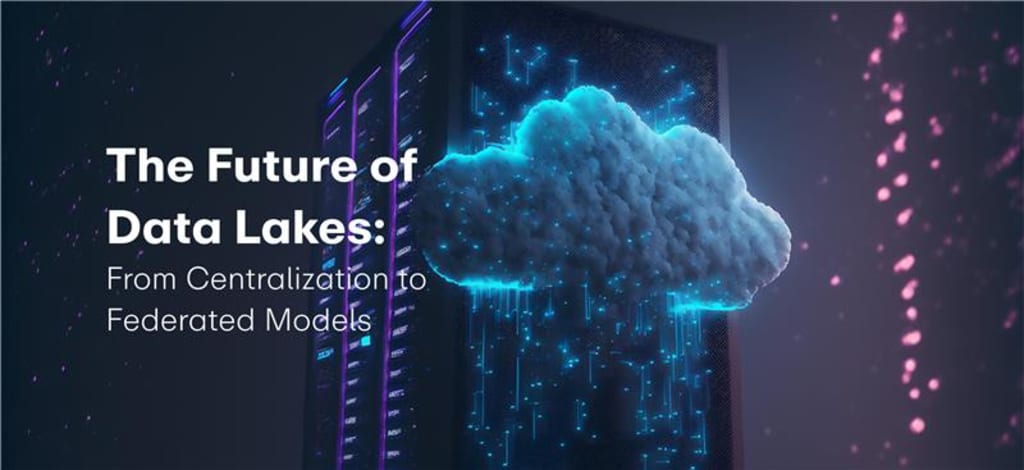
Data lakes is serving as pivotal tools, offering a scalable and cost-efficient way to store vast amounts of structured and unstructured data. However, as organizations grapple with increasing data volumes, varied sources, and the demand for real-time analytics, the centralized data lake model is facing limitations. A shift towards federated data lake architectures is emerging as a more practical solution to modern data challenges.
The Centralized Data Lake Model
Traditional data lakes aggregate all data into a single repository. While this approach simplifies management and analysis, it often struggles with:
1. Scalability : Centralized systems that can become bottlenecks as data grows exponentially.
2. Latency Concerns: Moving data from distributed sources to a central repository introduces delays.
3. Data Governance: Ensuring compliance and access control in a monolithic environment can be challenging.
4. Data Silos: Ironically, centralization can lead to silos if organizations cannot efficiently integrate diverse datasets.
Enter Federated Data Lakes
Federated data lakes address these issues by enabling decentralized storage and management while maintaining unified access and analytics capabilities. Instead of centralizing all data, federated models allow data to remain at its source while leveraging advanced technologies like data virtualization and metadata management to create a unified view.
Key Features of Federated Data Lakes
1. Decentralized Architecture: Data resides where it is generated, reducing latency and storage costs.
2. Unified Access: A federated approach enables users to query and analyze data from multiple sources without duplication.
3. Improved Governance: Decentralized storage paired with centralized governance ensures better compliance and security.
4. Scalability: By leveraging distributed systems, federated models can seamlessly handle exponential data growth.
The Role of Emerging Technologies
Federated data lakes are supported by advancements in:
* Data Mesh: A paradigm promoting decentralized ownership of data domains while enabling interoperability.
* AI and Machine Learning: Automating data discovery, integration, and governance processes.
* Cloud-Native Solutions: Hybrid and multi-cloud platforms allow for flexible and efficient data storage and processing.
* Data Virtualization Tools: Enabling real-time access to distributed data without physical movement.
Benefits of Federated Models
1. Faster Insights: Real-time analytics powered by decentralized architectures.
2. Reduced Costs: Eliminating unnecessary data duplication reduces storage and transfer expenses.
3. Enhanced Collaboration: Different teams can access shared data without compromising autonomy.
4. Future-Proofing: Federated models are better equipped to adapt to evolving data environments.
Challenges to Overcome
1. Complex Implementation: Setting up federated architectures requires careful planning and expertise.
2. Interoperability: Ensuring seamless integration between diverse tools and platforms.
3. Security Risks: Distributed systems can increase attack surfaces, necessitating robust cybersecurity measures.
The Road Ahead
The transition from centralized to federated data lakes is a strategic shift that organizations must embrace to remain competitive in the digital era. This evolution aligns with the needs of diverse industries, including entities like a mobile app development company in Texas, which rely on seamless data integration and real-time analytics to drive innovation. To capitalize on this shift, businesses should adopt modern tools, invest in cloud-native solutions, and prioritize robust data governance practices. Federated data lakes offer the agility, scalability, and collaboration needed to thrive in a data-centric future, making them an essential strategy for long-term success.
About the Creator
Keval Padia
Keval Padia, CEO of Nimblechapps, leverages 14+ years of IT expertise to drive success. A passionate leader and avid reader of biographies, he excels at uniting teams and clients, fueling innovation, and keeping the company thriving.
Keep reading
More stories from Keval Padia and writers in 01 and other communities.
The Future of IT: Top Technology Trends to Watch in 2025
As we approach 2025, the IT industry continues to evolve at an unprecedented pace. From artificial intelligence to quantum computing, the technological landscape is shifting and offering both opportunities and challenges for businesses. As an IT company, staying ahead of these trends is a key to providing innovative solutions to clients. Let’s take a look at the top technology trends expected to dominate the IT sector in 2025.
By Keval Padiaabout a year ago in 01
How to Choose the Best Mobile App Development Company in Canada 2026
Choosing the right app development partner in 2026 isn’t just a procurement decision—it’s a strategic move that can define whether your digital product scales or stalls. The Canadian tech ecosystem has matured rapidly, with agencies offering everything from rapid MVP builds to enterprise-grade platforms powered by AI and cloud-native architectures.
By alan michael5 days ago in 01



Comments
There are no comments for this story
Be the first to respond and start the conversation.