
The Cultural Significance of Red Sandalwood in Beauty Rituals
Red Sandalwood in Beauty Rituals
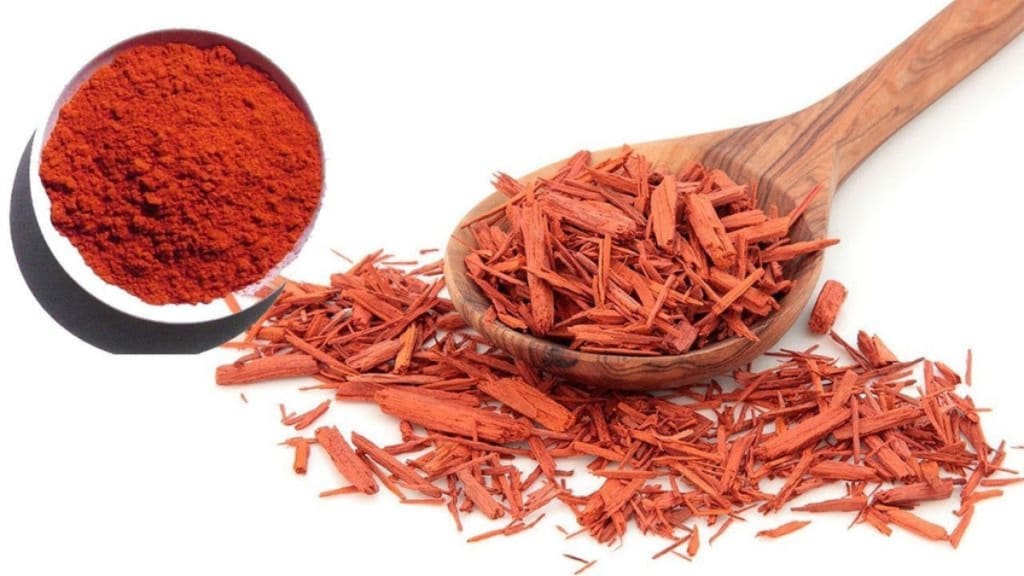
For centuries, red sandalwood has held a revered place in various cultures for its spiritual, medicinal, and aesthetic properties. Known for its deep, rich color and earthy aroma, this rare wood has transcended time and geography to become a treasured element in beauty rituals across the world. Especially in South Asian and East Asian traditions, red sandalwood is more than just a fragrant wood—it's a symbol of purity, healing, and beauty.
Today, as consumers become more conscious about the ingredients they put on their skin, red sandalwood is experiencing a renaissance. Its rich cultural heritage, coupled with its scientifically-backed skincare benefits, makes it an essential ingredient in holistic beauty routines. Let’s explore the cultural significance of red sandalwood, its uses in beauty rituals, and how it's making a strong comeback in the modern clean beauty movement.
Ancient Roots: The Origins of Red Sandalwood in Rituals
Red sandalwood, also known as Pterocarpus santalinus, is native to the southern parts of India, particularly Andhra Pradesh. Unlike its cousin, white sandalwood (Santalum album), red sandalwood does not have a strong fragrance but is prized for its anti-inflammatory and skin-soothing properties. In Ayurveda, one of the world’s oldest holistic healing systems, red sandalwood has been used for centuries to treat skin ailments, pigmentation, and even as an antiseptic for wounds.
In Hindu culture, red sandalwood holds religious significance. It is often used during rituals, prayers, and temple ceremonies, where the wood is ground into a paste and applied to the forehead or body as a mark of sanctity and purification. This symbolic use of sandalwood soon found its way into traditional beauty practices, where its calming and purifying qualities became highly valued.
Beauty Rituals Across Cultures
India: Ayurveda and Bridal Traditions
In India, red sandalwood plays a central role in bridal beauty rituals. It’s a common ingredient in homemade sandalwood face masks that brides apply weeks before the wedding to brighten the complexion and reduce blemishes. Mixed with rose water, turmeric, or milk, the paste is applied as part of the ubtan ritual, a time-honored ceremony meant to cleanse, exfoliate, and rejuvenate the skin before the big day.
Ayurvedic practitioners recommend red sandalwood for its pitta-balancing properties, which help cool the skin, reduce inflammation, and clear acne. Its antibacterial nature makes it ideal for sensitive or problematic skin types.
China and Southeast Asia: A Symbol of Elegance
In traditional Chinese medicine and Southeast Asian beauty practices, red sandalwood was used both for its medicinal properties and as a status symbol. In historical texts, it was considered a luxurious material used in beauty elixirs and skin tonics. Women would use red sandalwood powder in their skincare routines to enhance their natural glow and even out skin tone.
Even today, many traditional herbal remedies across Asia include red sandalwood as a key component due to its detoxifying and soothing effects.
Middle East: A Heritage of Herbal Beauty
In regions of the Middle East, herbal beauty rituals have long incorporated sandalwood—both red and white varieties—into oils, scrubs, and perfumed pastes. These rituals often emphasize natural healing and aromatherapy, aligning with the holistic approach red sandalwood offers. The wood is finely ground and blended into natural skincare products to soften and heal the skin, often paired with rose or frankincense for enhanced benefits.
Red Sandalwood in Modern Skincare
As the global beauty industry shifts toward natural, ethical, and sustainable ingredients, red sandalwood has resurfaced as a hero ingredient. Its benefits go beyond tradition, supported today by dermatological research that confirms its anti-inflammatory, antimicrobial, and antioxidant properties.
It is especially useful for:
- Soothing irritated or inflamed skin
- Reducing acne and scars
- Brightening dull complexions
- Improving skin texture and tone
Modern formulations harness red sandalwood in products like serums, toners, and masks. A popular choice is the sandalwood face mask, often combined with other soothing botanicals like aloe vera and chamomile to provide a luxurious, spa-like experience at home.
The Return of Artisanal Beauty: DIY and Clean Formulations
The rise of DIY beauty and the clean beauty movement have brought red sandalwood back into the spotlight. Consumers are increasingly making their own skincare formulations using traditional powders and plant-based oils. One such product gaining popularity is natural body butter infused with red sandalwood powder. These rich, hydrating butters not only moisturize deeply but also help reduce inflammation and even skin tone when used regularly.
Natural body butter formulations often include ingredients like shea butter, cocoa butter, and carrier oils (such as almond or jojoba oil) blended with red sandalwood. The result is a nourishing treatment that envelops the skin in luxury, aligning ancient wisdom with modern self-care.
Cultural Significance Beyond Beauty
Red sandalwood’s appeal goes beyond the physical. In many cultures, it is believed to carry calming and meditative properties. It’s commonly used in incense and spiritual ceremonies to create a tranquil environment, believed to enhance focus and emotional balance. This connection between mind, body, and skin wellness is part of what makes red sandalwood such a beloved ingredient in holistic beauty rituals.
Sustainability and Ethical Sourcing
Due to its high demand and limited availability, red sandalwood is considered a protected species under CITES (the Convention on International Trade in Endangered Species). As such, ethical sourcing is a critical aspect of using red sandalwood in modern beauty products.
Many eco-conscious brands today ensure that their red sandalwood is either sustainably sourced or replaced with lab-grown alternatives that mimic its benefits without harming natural ecosystems. If you're shopping for products with red sandalwood—such as a natural body butter or sandalwood face mask—it's important to check for transparency in sourcing and production practices.
Conclusion
Red sandalwood is not just an ingredient—it's a cultural emblem that has stood the test of time. From ancient bridal rituals in India to medicinal concoctions in China and aromatherapy practices in the Middle East, red sandalwood has touched countless generations with its healing and beautifying properties.
As we embrace cleaner, more meaningful beauty routines, red sandalwood offers a perfect blend of tradition and efficacy. Whether in a soothing sandalwood face mask or a nourishing natural body butter, this revered wood connects us to centuries of wisdom and a more intentional approach to self-care.
About the Creator
Keep reading
More stories from abdulshariq and writers in 01 and other communities.
The Evolution of Lip Balms: From Synthetic to Natural Ingredients
Lip care has come a long way since the early days of petroleum jelly and wax-based balms. What once started as a basic protective layer for dry, chapped lips has evolved into a sophisticated blend of skincare science, natural wellness, and beauty. Today, consumers are far more conscious about what they apply to their skin, particularly on sensitive areas like the lips. This growing awareness has fueled a remarkable shift—from synthetic ingredients to natural, nourishing alternatives. Let’s explore the fascinating journey of lip balms and why modern beauty lovers are opting for nature-inspired solutions like natural lip balm and even colorful variations such as beetroot lip balm.
By abdulshariq11 months ago in 01
How to Hire White Label WordPress Developer
Digital agencies are expanding, and client demands tend to rise more rapidly than internal resources. The development teams may be stretched to the limit when dealing with multiple site projects, maintenance, and custom feature requests. This is where hiring a white-label developer comes as an option. Most of the agencies engage the services of outside specialists to expand their services without affecting the brand or the quality of delivery.
By Rutvik Sangani7 days ago in 01
A Bird’s-Eye View of the World
Photography has always been a powerful way to capture the beauty of the world, but when the camera rises above the ground, a completely new perspective emerges. Aerial photography—often described as seeing the world through a “bird’s-eye view”—offers breathtaking images that reveal patterns, landscapes, and details invisible from the ground. From vast deserts and winding rivers to bustling cities and remote villages, images taken from above transform ordinary scenes into extraordinary works of art.
By Irshad Abbasi about 9 hours ago in 01
The Forsyth House Fire
Since 1851, Forsyth House has stood on the corner of Union Street and Gordon Street in the heart of Glasgow. Its iconic, or was... because on Sunday 8th of March, 2026, a fire broke out in a small, seemingly un-named shop in the building and tore all that history down. As I write, the rubble is still unsettled and the street is still blocked off. Central Station is quiet on the upper level, and around 30 small businesses have quite literally gone up in smoke.
By S. A. Crawford3 days ago in The Swamp




Comments (1)
Ha ha, you well said it.