
The Evolution of Lip Balms: From Synthetic to Natural Ingredients
Synthetic to Natural Ingredients
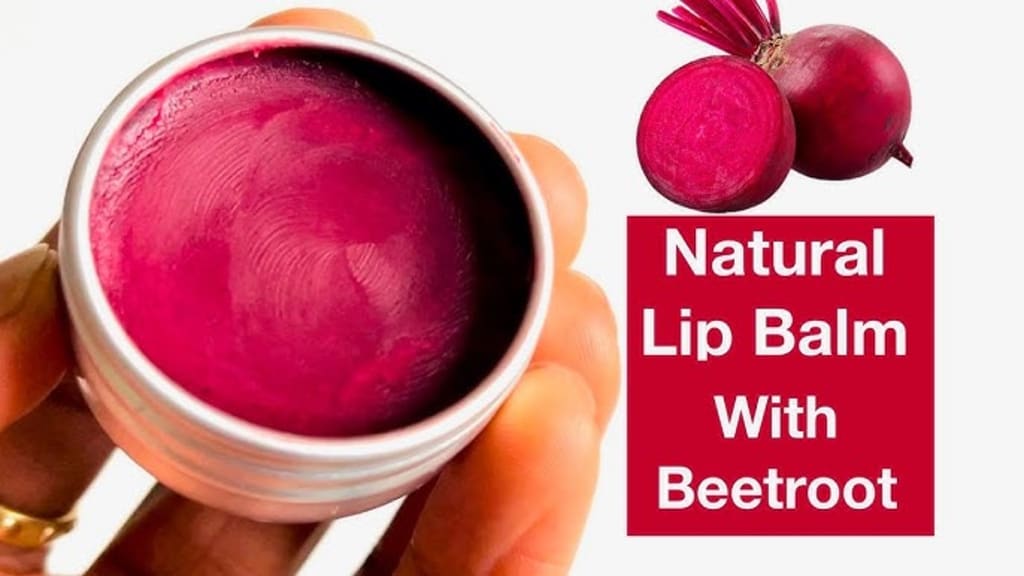
Lip care has come a long way since the early days of petroleum jelly and wax-based balms. What once started as a basic protective layer for dry, chapped lips has evolved into a sophisticated blend of skincare science, natural wellness, and beauty. Today, consumers are far more conscious about what they apply to their skin, particularly on sensitive areas like the lips. This growing awareness has fueled a remarkable shift—from synthetic ingredients to natural, nourishing alternatives. Let’s explore the fascinating journey of lip balms and why modern beauty lovers are opting for nature-inspired solutions like natural lip balm and even colorful variations such as beetroot lip balm.
The Early Days: Petroleum and Parabens
In the early 20th century, lip balms were primarily formulated with petroleum jelly, a byproduct of crude oil. While effective at locking in moisture, petroleum-based products form a barrier over the skin rather than healing it from within. These balms also often included parabens as preservatives and artificial flavors or fragrances for sensory appeal. At the time, functionality was key, and few questioned the long-term effects of these ingredients.
However, repeated use of petroleum-based balms sometimes led to what many call the “lip balm addiction cycle”—where lips become reliant on the occlusive layer, never truly healing, and needing more frequent application. This sparked skepticism among conscious consumers and opened the door for cleaner, more restorative alternatives.
The Rise of Natural and Organic Alternatives
As the natural wellness movement gained momentum in the 2000s, consumers began scrutinizing labels and questioning ingredients. Suddenly, petroleum, mineral oils, and synthetic dyes were no longer desirable. The market started shifting toward balms made with nourishing, plant-based ingredients such as shea butter, cocoa butter, coconut oil, and beeswax.
These natural lip balm formulations weren’t just about avoiding harmful chemicals—they brought added benefits. Rich in vitamins and fatty acids, natural oils and butters help repair the delicate skin on the lips, offering hydration and healing. Beeswax, a favorite among formulators, provides a natural barrier while allowing the skin to breathe—unlike petroleum jelly.
Additionally, essential oils such as peppermint, lavender, and chamomile added therapeutic benefits, from soothing inflammation to offering antibacterial protection.
The Influence of Clean Beauty and Transparency
Fast forward to the present, the “clean beauty” trend has pushed transparency to the forefront. Shoppers want to know not only what is in their products, but also where those ingredients come from, how they’re sourced, and whether they’re cruelty-free and sustainable.
This demand has led many brands to invest in eco-friendly packaging and to eliminate synthetic preservatives, artificial coloring, and synthetic fragrances from their lip care products. Labels like “vegan,” “cruelty-free,” “organic,” and “fair-trade” have become important purchasing factors.
Natural balms are now also formulated to serve multiple functions. For example, a natural lip balm might double as a lip treatment, providing SPF protection, anti-aging ingredients, or even a hint of natural tint.
The Rise of Tinted and Functional Lip Balms
As lip balm evolved, it began to blur the lines between skincare and makeup. Today’s consumers want multi-tasking products that deliver both health and beauty benefits. This is where functional, tinted lip balms shine.
Among them, the beetroot lip balm has carved a unique niche. Made from beetroot extract or juice, this balm provides a beautiful, natural reddish tint while delivering antioxidants and nutrients to the lips. Beetroot is rich in betalains, which are known for their anti-inflammatory and antioxidant properties. It’s an ideal option for those looking to add a subtle flush of color without the synthetic dyes found in traditional lipsticks.
Plus, beetroot’s natural coloring adapts slightly to each wearer’s pH and skin tone, offering a custom shade experience that feels personal and organic.
DIY Culture and the Homemade Lip Balm Trend
The clean beauty boom also ushered in a new wave of do-it-yourself enthusiasts. Recipes for homemade natural lip balm and beetroot lip balm are now all over social media, especially among influencers promoting holistic skincare. These DIY options typically include beeswax, shea butter, coconut oil, and beetroot powder or juice for color.
Not only does this trend empower consumers to know exactly what they’re using, but it also highlights a growing desire to return to basics—where fewer ingredients mean more transparency and trust.
Innovations in Natural Formulations
Even with the shift toward natural, brands haven’t stopped innovating. Modern natural lip balm formulas often include:
- Hyaluronic Acid: For intense moisture retention.
- Plant-based Ceramides: To support the skin barrier.
- Vitamin C & E: For brightening and antioxidant protection.
- Botanical Infusions: Such as calendula, rosehip, and green tea, known for healing and anti-aging benefits.
Some luxury and niche brands are even experimenting with adaptogens and CBD for enhanced therapeutic effects. Despite being natural, these ingredients deliver high-performance results.
Environmental and Ethical Considerations
Sustainability has become a core part of product development in recent years. Modern consumers care not just about their own health, but also the health of the planet. As such, there’s been a major move toward zero-waste packaging, refillable tubes, and biodegradable materials in lip balm packaging.
Cruelty-free and vegan certifications are now standard expectations for many buyers. Products made with ethical sourcing practices, such as fair-trade shea butter or community-harvested beeswax, are particularly valued.
This eco-conscious shift aligns perfectly with the ethos of natural lip balm—caring for your skin while being mindful of the planet.
Final Thoughts: Nature is the New Luxury
From petroleum-laden tubes to antioxidant-rich plant formulas, the evolution of lip balm reflects a broader transformation in the beauty industry. Today’s lip balm is more than a hydrating product—it’s a personal care essential that embodies self-care, wellness, and sustainability.
As more people discover the benefits of going natural, formulations like beetroot lip balm offer a beautiful bridge between skincare and makeup, proving that you don’t need chemicals to achieve color, comfort, or results.
So next time you reach for a balm, consider what’s inside. With a natural lip balm, you’re not just nourishing your lips—you’re embracing a cleaner, kinder, and more conscious way to care for yourself.
About the Creator
Keep reading
More stories from abdulshariq and writers in 01 and other communities.
Korean Skincare Trends Must-Have Face Products in 2025
Korean skincare has been a global sensation for years, consistently setting the standard for innovation, effectiveness, and style in the beauty industry. As we step into 2025, new trends and advanced formulations are shaping the must-have face products for beauty enthusiasts worldwide. From science-backed formulations to nature-inspired ingredients, here's a comprehensive look at the latest Korean skincare trends and essential face products for 2025.
By abdulshariq10 months ago in 01
2026 Platform Choice Mobile App Development Native vs Hybrid
In 2026, mobile app development native vs hybrid is no longer a framework debate. It reflects a tectonic shift inside the Google ecosystem where AI Retrieval, Zero Click discovery, and entity-level evaluation now shape risk exposure, authority loss, and strategic realignment for every mobile product.
By Samantha Blake3 days ago in 01
How James Kodrowski Builds Scalable Businesses and Long-Term Investments
James Kodrowski is widely recognized as an Entrepreneur, Business Leader & Investor known for building scalable businesses while maintaining a disciplined, long-term investment mindset. His approach combines financial intelligence, operational excellence, and leadership-driven strategy, making his work highly relevant across Finance & Financial Services, Business Strategy & Operations, and Entrepreneurship & Leadership.
By James Kodrowski3 days ago in 01




Comments
There are no comments for this story
Be the first to respond and start the conversation.