
The Bad Seed
A quick review of The Bad Seed summarizes what the book covers.

Introduction
The Bad Seed, written by Jory John and illustrated by Pete Oswald, is a heartwarming and humorous children’s book that tells the story of a sunflower seed who has gone “bad.” The book delves into the themes of identity, self-reflection, and personal growth, all wrapped in a charming, relatable narrative. The "bad seed" starts out with a negative attitude and bad behavior but gradually comes to realize that change is possible. This story offers a thoughtful message about transformation, the importance of self-awareness, and the power of choice. The illustrations beautifully complement the narrative, providing vivid imagery and visual humor that engage young readers.
While the book is not structured into traditional chapters, its natural progression can be divided into key sections that chronicle the seed’s journey from being “bad” to striving for positive change. Below is a section-by-section summary of The Bad Seed.
Section-by-Section Summary
1. Introduction to the Bad Seed The story opens with the introduction of the main character, the "bad seed." Right away, he identifies himself as bad, and the tone of the narration is humorous yet self-deprecating. The seed declares, “I’m a bad seed. A baaaaaad seed.” He provides a list of his bad behaviors, like cutting in line, not listening, and being rude to others. This introduction establishes his identity and sets the stage for the story’s central conflict—whether or not the seed can change his ways.
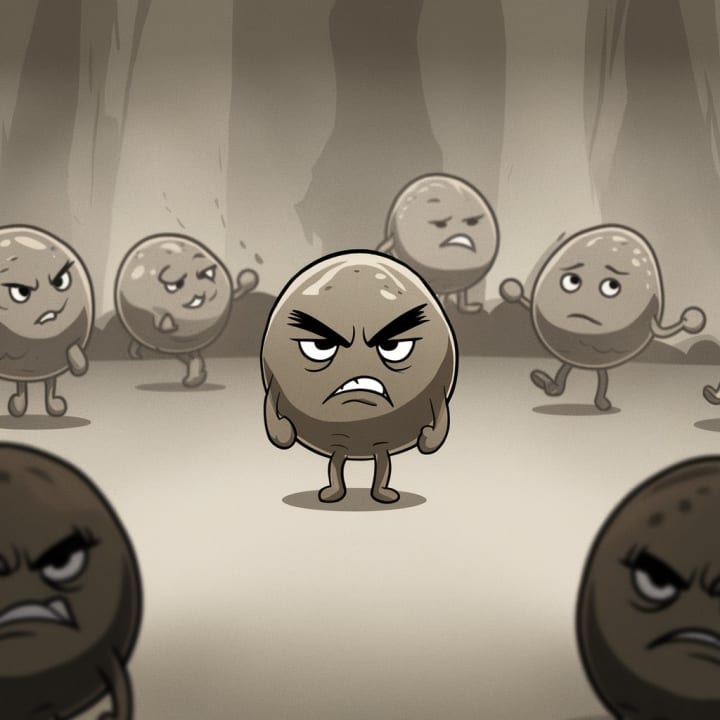
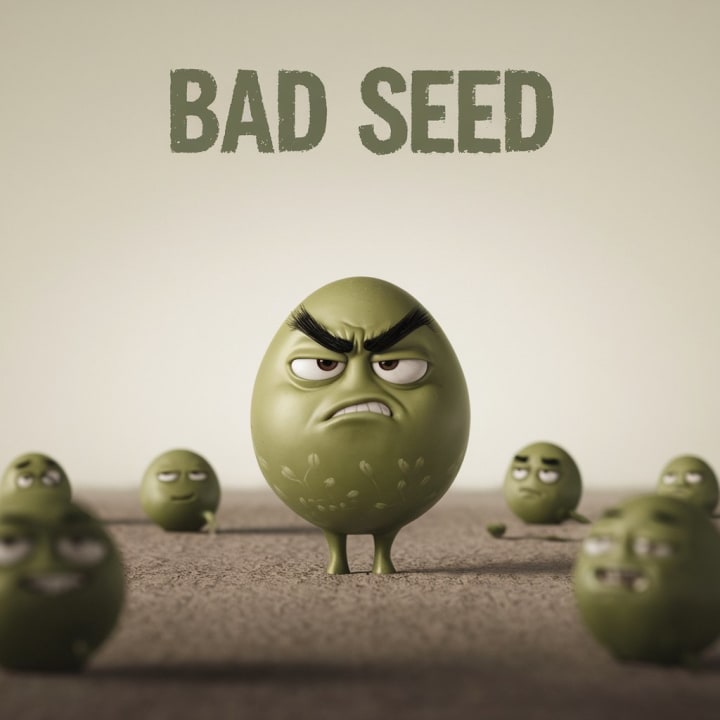
Visually, the illustrations show the seed with a grumpy expression, often depicted frowning or glaring. He stands out in a world of seemingly "good" seeds and other happy characters. The background is light and colorful, but the seed's demeanor creates a humorous contrast. His "bad" actions are depicted in exaggerated ways, making it clear that he is different from the others around him.
Click here to get The Bad Seed for free from Audible when you sign up for a free trial-Click here for access.
2. The Seed’s Backstory In this section, the seed recounts his backstory, explaining how he became “bad.” He wasn’t always this way. Once, he was part of a bright and beautiful sunflower, surrounded by other sunflower seeds in a happy, warm field. The illustrations show a lush sunflower, with the seed looking content and full of life.
However, things take a turn for the worse when the sunflower wilts, and the seeds fall to the ground. The bad seed is picked up, processed, and eventually ends up in a snack bag at a baseball game. This traumatic experience changes him. He is almost eaten but narrowly escapes, landing in the dirt and becoming hardened by the experience. The book’s tone shifts here, adding a layer of sympathy to the character, showing that his "badness" stems from his hardships and negative experiences.
The mood darkens as the seed recalls these events. The illustrations depict the seed looking small and helpless during his fall from the sunflower and his close encounter with being eaten. The colors shift from bright and cheerful to darker, muted tones, emphasizing the seed's feelings of loss and fear. This section adds depth to the character, making his bad behavior more understandable.
Click here to get The Bad Seed for free from Audible when you sign up for a free trial-Click here for access.
3. The Seed Becomes Bad Following his traumatic experience, the seed turns “bad.” He begins to adopt negative behaviors, feeling bitter and disconnected from the world around him. This section outlines his bad actions in more detail, showing him acting rudely toward others. He doesn’t care about being considerate, doesn't say “please” or “thank you,” and often cuts in line or ignores social cues.
The illustrations during this section emphasize the seed’s isolation from others. While everyone around him seems to follow social norms and get along, the bad seed stands out with his angry facial expressions and disruptive actions. There’s a comedic element to his badness, but it also highlights how lonely and unhappy the seed truly feels.
Click here to get The Bad Seed for free from Audible when you sign up for a free trial-Click here for access.
4. The Turning Point Eventually, the seed experiences a turning point. He realizes that he is tired of being bad. The narration reflects his inner thoughts: he knows he’s bad, but he doesn’t feel good about it anymore. This moment of self-reflection is crucial to the seed’s transformation. He recognizes that he wants to change, but he’s unsure if he can, given his reputation and past actions.
The mood of the illustrations shifts here. The bad seed is seen standing alone, looking contemplative. The background is less chaotic, and the focus is on the seed’s expression as he begins to consider what it would mean to be good again. The imagery subtly reflects the seed’s growing self-awareness and desire for change, with more soft, hopeful colors creeping into the background.
5. The Seed Tries to Change In this section, the seed begins his journey toward self-improvement. He starts making small changes in his behavior. While he doesn’t become perfect overnight, he tries to be kinder and more considerate. The seed now says “thank you” and “sorry,” and he makes an effort to stop cutting in line. Though he sometimes slips up and reverts to his old ways, he keeps trying.
The illustrations depict the seed attempting to engage in more positive behaviors, with visual humor highlighting his struggles. For example, the seed might be seen reluctantly saying “thank you” with a grimace, or awkwardly holding the door for someone. The background starts to brighten up as the seed's efforts become more noticeable, showing that his world is gradually improving as he changes.
The mood in this section is optimistic but realistic. The seed’s journey is not perfect or easy, but his determination to improve is clear. The illustrations reflect his ups and downs, using humor to show that self-improvement is a process that requires patience.
Click here to get The Bad Seed for free from Audible when you sign up for a free trial-Click here for access.
6. The Seed’s Ongoing Journey The book ends on a hopeful note, with the seed acknowledging that while he is not perfect, he is trying his best every day. He still makes mistakes, but he doesn’t let them define him anymore. The bad seed realizes that change is gradual and that he has the power to decide how he behaves. He is no longer content being “the bad seed” and strives to do better.
The final illustrations show the seed in a much brighter, happier environment. He is no longer isolated but is seen interacting more positively with the other seeds and characters around him. His frown has softened into a smile, and the overall mood of the story shifts to one of hope and redemption.
The background is once again bright and colorful, with the sunflower field returning as a symbol of growth and new beginnings. The illustrations capture the seed’s transformation, using soft, inviting colors to highlight the changes in his behavior and his outlook on life.
Click here to get The Bad Seed for free from Audible when you sign up for a free trial-Click here for access.
Conclusion
The Bad Seed is a delightful and meaningful story about self-improvement, growth, and the possibility of change. The seed’s journey from being “bad” to striving to be “good” offers an important message for readers of all ages: that no matter your past, you have the power to change your behavior and choose a better path. The humorous tone, combined with heartfelt moments, makes the book engaging and relatable, while Pete Oswald’s expressive illustrations bring the seed’s story to life in a visually dynamic way.
Through this narrative, children learn that mistakes do not define them and that every day is an opportunity to try again. The story of the bad seed serves as a powerful reminder that anyone, no matter how “bad” they may seem, can choose to change for the better.
**Affiliate Disclosure** This article contains affiliate links, meaning that we will receive a small commission at no added cost to you as part of our partnership with Audible when you sign up for a free trial to obtain this book.
About the Creator
Keep reading
More stories from Ermelita T. Engracio and writers in 01 and other communities.
The Very Busy Spider
Introduction The Very Busy Spider introduces young readers to the life of a spider as she goes about spinning her web. The book’s narrative is centered on the spider's diligent effort to complete her task while other animals on the farm try to distract her. This story beautifully illustrates themes of focus, hard work, and determination, using repetitive dialogue that helps reinforce these lessons. Additionally, the book incorporates elements of animal behavior, as each animal interacts with the spider in a way that reflects its natural tendencies. The interactive, tactile quality of the spider's web, which can be felt on each page, also adds a unique sensory experience for readers.
By Ermelita T. Engracioabout a year ago in 01
How Far Can RS232 Run and How to Extend It Safely?
If you’ve ever tried to connect RS-232 devices over a long distance and encountered data errors, intermittent communication, or unexplained signal noise, you’re not alone. One of the most frequently asked questions in industrial communication is: “What is the maximum distance RS-232 can reliably support?”
By ethernet-network8 days ago in 01
The Evaluation of Chatbots: From Concept to Real-Life Experience
Chatbots have evolved from simple computer scripts into advanced digital assistants that power millions of conversations daily. From customer service portals and e-commerce platforms to healthcare and education, these intelligent systems have transformed how businesses interact with users. But what does it really mean to evaluate a chatbot—from its concept to its performance in real-world scenarios?
By Tarun Nagarabout 7 hours ago in 01




Comments
There are no comments for this story
Be the first to respond and start the conversation.