future
Explore the next frontier of tech innovation, and imagine our society in the near and far future.
How to Turn Your Tech Passion Into a Profitable Side Hustle In 2023
Are you passionate about technology and always looking for ways to learn more and stay up-to-date with the latest trends? If so, you may be wondering how you can turn that passion into a profitable side hustle in 2023. Whether you want to earn some extra cash on the side or eventually turn your side hustle into a full-time business, there are plenty of opportunities to make money with your tech skills. Here are some ideas to get you started.
By Afolabi Yusuf3 years ago in 01
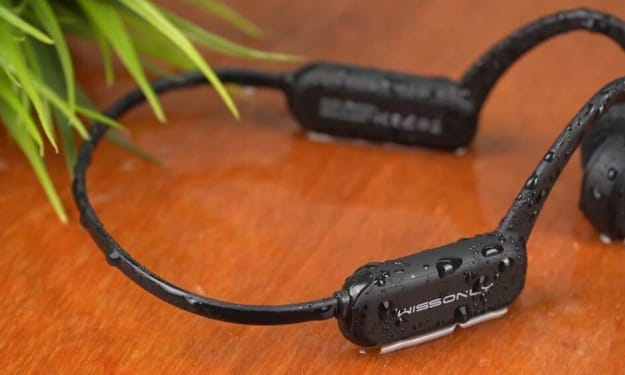
Are Bone Conduction Headphones Good and Do They Have Disadvantages?
First of all, let me make my point. Bone conduction headphones are very good. They are very healthy, safe, and hygienic. They are suitable for many scenes, such as running, cycling, and exercise.Next, I will introduce in detail "what is bone conduction earphone, how it works, and why it is good"
By Jerry Song3 years ago in 01
Recruitment Metrics: Quality of Hire
As very famously tech guru Steve Jobs once had said, “Quality is more important than quantity”, we could not help but agree with him. Also, it has always been the general notion that quality can never be quantified. As it turns out, quality is quantifiable.
By mayank kejriwal3 years ago in 01
What technology is used in cyber security? || Definition, Types, and User Protection
As the days go by, the Internet is becoming increasingly popular among people of all ages and economic classes. Moreover, many users are opting to take advantage of the anonymity provided by this platform by using it for online fraud, illegal activity, pornography, or even prostitution. It’s not surprising that so many criminals use the internet as a way to earn money. The problem is, that cyber security threats will always lurk in the shadows, lurking everywhere you look. This makes protecting your information crucial. To protect yourself from cybersecurity threats, you need to be able to spot them and respond to them quickly. That’s where technologies come in. Let us take a closer look at these technologies and how they can help in cyber security.
By Technogibran3 years ago in 01
Why SEM is an Essential Part of Your Digital Marketing Strategy
Search engine marketing (SEM) is a digital marketing strategy that involves promoting a website through paid advertising on search engines, such as Google, Bing, and Yahoo. SEM can be an effective way to reach potential customers and drive traffic to a website.
By mahmoud dagher3 years ago in 01
What Are Bone Conduction Earphones and How Do They work?
Bone conduction earphones are very popular among sports fans. No matter you are running, cycling or outdoor sports, you can see people wearing these earphones. This article will tell you what bone conduction earphones are, how they work, their advantages and disadvantages.
By Jerry Song3 years ago in 01
Why Creativity Is the World's Most Important Skill.
The world's most in-demand soft talent is creativity, while the top hard skill is blockchain. Hard skills are those that are specific to the work that individuals do (such as blockchain) and only apply to that segment of the workforce. They lack the enduring impact of soft skills.
By Hello Socialyze3 years ago in 01
TEN Reasons Why Life on the American Frontier Actually Sucked
Lack of basic amenities: Many pioneers had to live in rough, crudely built homes or even tents while they worked to establish their homesteads. This often meant living without basic amenities such as indoor plumbing, which meant that they had to use outhouses or chamber pots and had to carry water from a well or other source for cooking, cleaning, and drinking. This lack of indoor plumbing could be especially challenging in cold or inclement weather, and also made it more difficult to maintain proper hygiene. In addition, many pioneers had to do without electricity, which meant that they had to rely on candles, lanterns, or fireplaces for light and heat. This made daily tasks such as cooking, cleaning, and reading more difficult and time-consuming, and also posed a risk of fire or injury. Isolation: Life on the American frontier was often very isolated, with pioneers living far from neighbors and town centers. This isolation could be both physically and emotionally taxing, as pioneers had to rely on their own resourcefulness and self-sufficiency to survive. This meant that they had to grow their own food, raise their own livestock, and handle any problems or emergencies that arose on their own. This isolation could be especially difficult for those who were used to living in more densely populated areas, where they had access to a wider range of services and support networks. It could also be challenging for those who were used to living in more urban or industrialized environments, and had to adapt to a more rural and agrarian lifestyle. Lack of medical care: Medical care was often scarce or non-existent on the American frontier, meaning that pioneers had to rely on their own knowledge and resources to care for themselves and their families when they were sick or injured. This could include using home remedies and folk remedies, or seeking the help of lay healers or midwives. In some cases, pioneers had to travel long distances to access medical care, which could be both time-consuming and costly. This lack of medical care could be especially problematic in cases of serious illness or injury, where timely and effective treatment could be a matter of life and death. Harsh weather: Many parts of the American frontier were prone to extreme weather conditions, such as severe cold in the winter and scorching heat in the summer. This made daily life and work much more difficult for pioneers. In the winter, pioneers had to contend with sub-freezing temperatures, snow and ice, and limited daylight, which made it harder to stay warm and dry and to carry out outdoor tasks. In the summer, pioneers had to deal with scorching heat and humidity, which made it harder to stay cool and comfortable and to work outside. This harsh weather could also have a negative impact on crops and livestock, and could make it harder for pioneers to sustain their livelihoods. Constant threat of violence: The American frontier was a dangerous place, with pioneers facing threats from Native American attacks, outlaws, and wild animals. This constant threat of violence made life on the frontier stressful and unpredictable. In some cases, pioneers were attacked... Poorly developed infrastructure: The infrastructure on the American frontier was often poorly developed, with few roads or other transportation options available. This made it difficult for pioneers to access supplies and resources, and also made it harder for them to stay connected to the rest of the country. In many cases, pioneers had to travel long distances to access basic necessities such as food, clothing, and medical care, which could be both time-consuming and costly. In addition, the lack of roads and other transportation options made it harder for pioneers to communicate with one another and to stay informed about what was happening in the world around them. Limited economic opportunities: Economic opportunities on the American frontier were often limited, and many pioneers struggled to make a living. They had to rely on farming, ranching, and other hard manual labor to survive, and often had to deal with difficult conditions such as drought, pests, and market fluctuations. In addition, many pioneers had to cope with limited access to credit, financing, and other resources, which made it harder for them to invest in and expand their operations. As a result, many pioneers lived a precarious financial existence, and had to work hard just to keep their families fed and clothed. Cultural and social isolation: Many pioneers on the American frontier came from diverse backgrounds and cultures, and they often struggled to find a sense of community and belonging. This isolation could be particularly difficult for those who were used to living in more densely populated areas, where they had access to a wider range of cultural and social activities. It could also be challenging for those who were used to living in more diverse or cosmopolitan environments, and had to adapt to a more homogenous or insular culture. This isolation could lead to feelings of loneliness, isolation, and alienation, and could make it harder for pioneers to find support and connections in their new communities. Limited education opportunities: Educational opportunities on the American frontier were often limited, with few schools or other institutions available to provide formal education. This made it difficult for pioneers to further their knowledge and skills, and also made it harder for them to improve their economic and social standing. In many cases, pioneers had to rely on self-education or informal learning opportunities to improve their prospects, which could be both time-consuming and costly. This lack of education opportunities could also have a negative impact on the overall development and progress of the American frontier, as it hindered the growth of a well-educated and skilled workforce. Psychological and emotional stress: Life on the American frontier was often very difficult and stressful, and pioneers had to deal with a range of psychological and emotional challenges as they struggled to survive and build a better life. This could include homesickness, loneliness, and the constant pressure to succeed in the face of difficult odds. Many pioneers had to cope with the loss of family members, friends, and other loved ones, and had to deal with the physical and emotional demands of building a new life in a harsh and unfamiliar environment. This psychological and emotional stress could take a toll on pioneers' mental and physical health, and could make it harder for them to find happiness and fulfillment in their new lives.
By indika sampath3 years ago in 01