
Sports Broadcasting Evolution: Adapting to Changing Audiences
Sports Broadcasting Evolution
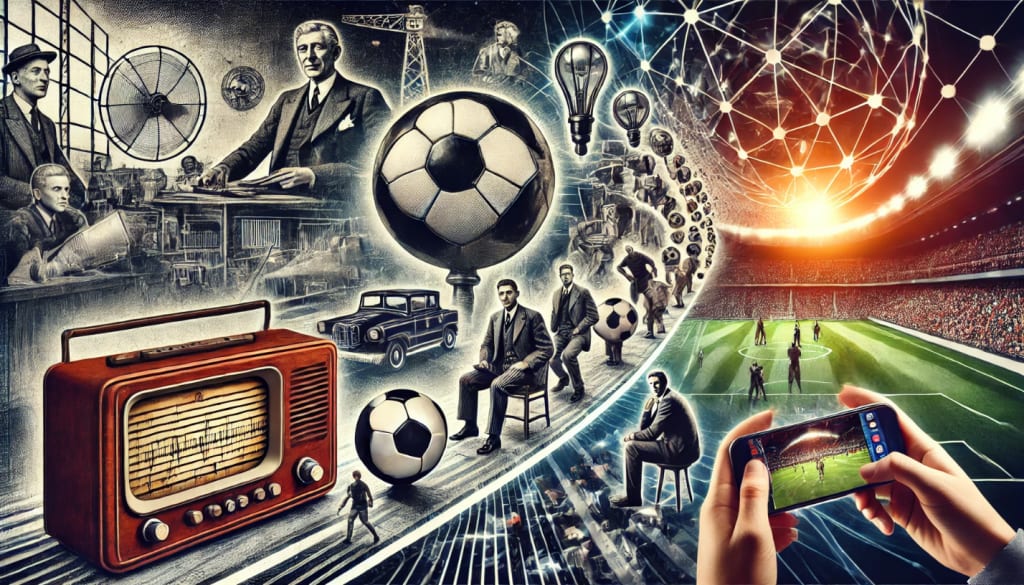
The way fans consume live sports is being transformed by technological advancements and shifting viewer habits in the sports broadcasting industry. Broadcasters are finding new ways to engage audiences across different generations despite the dominance of traditional television and the rise of streaming platforms. To stay relevant, it's important to understand changing preferences and use technology to create a more immersive viewing experience.
The Changing Landscape of Sports Broadcasting
Television has been the cornerstone of sports media for years, giving fans access to live events, in-depth analysis, and compelling storytelling. The NFL's official operations website states that television has a significant impact on sports, with the ability to expand fan bases, revenue, and transform leagues into global entertainment powerhouses. The NFL has excelled in sports broadcasting, making football America's most-watched sport. The traditional model is being disrupted by the rise of digital platforms and on-demand content. According to LandonBuford.com, the way people consume sports has undergone a significant evolution, forcing networks and sports organizations to reevaluate their strategies. While older audiences still rely on traditional TV broadcasts, younger generations are increasingly drawn to digital and mobile experiences.
Catering to Different Generations: A Balancing Act
Sports broadcasters today face significant challenges in delivering content that appeals to multiple generations. SportBusiness's report focuses on how broadcasters are adapting their strategies to meet the diverse needs of viewers.
• Baby Boomers and GenX audiences still have a preference for linear television, which they value due to its high-quality production, in-depth analysis, and expert commentary. Traditional broadcasts are being heavily invested in by networks like ESPN and Fox Sports to maintain this demographic.
• Millennials and Gen Z have a preference for flexible, interactive, and shorter, on-the-go content. Streaming games on mobile devices, consuming highlights on social media, and engaging with sports through digital communities are more likely activities for them. This generation's sports content delivery has been greatly influenced by platforms like YouTube, Twitch, and TikTok.
Major broadcasters are incorporating interactive features, second-screen experiences, and personalized content into their offerings to respond to this shift. Amazon Prime Video's inclusion of live analytics, alternate broadcasts, and real-time statistics during NFL games is specifically meant for tech-savvy viewers who want more than just a passive viewing experience.
Technology’s Role in Shaping the Future of Sports Broadcasting
The advancement of technology is a crucial factor in improving sports broadcasts. The use of streaming, augmented reality (AR), and artificial intelligence (AI) is revolutionizing the way fans engage with sports, as discussed by LandonBuford.com. Sports are becoming more immersive than ever due to the use of AI-driven highlights, personalized content recommendations, and virtual reality (VR) experiences.
Moreover, the NFL's official website emphasizes how innovations such as high-def (HD) and 4K broadcasts, SkyCam angles, and advanced replay technologies have improved the viewing experience. Moving forward, broadcasters will continue to use these tools to provide a more dynamic and engaging product.
The Future of Sports Broadcasting: A Hybrid Approach
A hybrid model for sports broadcasting is likely to emerge in the future, combining traditional television with digital innovations to create a seamless, multi-platform experience. Despite TV being the dominant force, streaming platforms, mobile apps, and social media will continue to gain importance. Blending tradition and innovation is crucial for leagues like the NFL, NBA, and MLB to maintain and expand their fan bases. Sports broadcasters can stay relevant in an ever-changing media landscape by understanding generational preferences and embracing technological advancements. The power of sports broadcasting lies in its capacity to connect fans to the action, regardless of where they are or how they choose to watch it.
About the Creator
Keep reading
More stories from Jason Smith and writers in 01 and other communities.
The Future of Website Design: Why SaaS is the Only Way Forward
Imagine struggling with your website. It takes forever to update, costs a fortune, and never seems to do what you want. Those days are over. Software as a Service (SaaS) is changing how we build websites. SaaS means using online tools instead of traditional methods. SaaS website builders offer a better way. They are easy to use, affordable, and can grow with your business. SaaS website builders are revolutionizing website design. They offer scalability, affordability, and ease of use.
By Jason Smith11 months ago in 01
Service in major U.S. cities is disrupted by a massive Verizon network outage. Cities
On Wednesday, January 14, 2026, Verizon Communications experienced a widespread network failure that disrupted voice and data services for tens of thousands of customers across the United States. Users were unable to make calls, send texts, or access mobile internet for several hours as a result of the outage, which was one of the largest in recent memory for the nation's largest wireless carrier. This prompted emergency alerts to be issued in some cities and prompted fresh inquiries regarding the reliability of networks in a world that is becoming increasingly connected.
By Raviha Imran3 days ago in 01
How to Build a Secure and High-Performance Real Estate App in 2026
The real estate industry is rapidly evolving as mobile technology, cloud infrastructure, and data-driven platforms redefine how properties are bought, sold, rented, and managed. In 2026, users expect real estate applications to be fast, reliable, highly secure, and personalized. A slow or insecure app can quickly erode user trust, while a high-performance platform can significantly improve engagement, conversions, and customer loyalty.
By shane cornerus3 days ago in 01
Silver Screen Magic with Mae West
American actress and singer Mae West became a popular film actress during the Great Depression. She started entertaining in vaudeville, then performed on Broadway, and finally went to Hollywood. She signed up with Paramount Pictures and made her debut in the 1932 film “Night After Night.” She also starred in musicals, comedies, and crime dramas. The American Film Institute named her one of the best classic Hollywood actresses.
By Rasma Raisters4 days ago in Geeks




Comments
There are no comments for this story
Be the first to respond and start the conversation.