
Scan to Savor: Using QR Codes to Enhance Your Dining Experience
Enhance Your Dining Experience
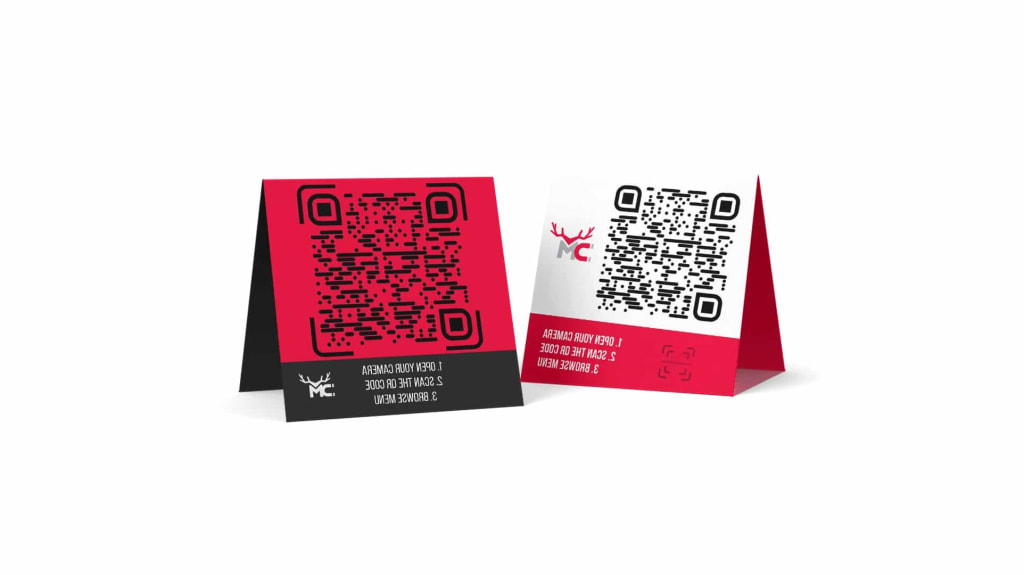
The dining experience has undergone a transformation in recent years, and technology has played a significant role in this evolution. One example of how technology is being used to enhance the dining experience is the use of QR codes. QR codes have become increasingly popular in the restaurant industry, as they offer a quick and easy way to access information and make the dining experience more interactive. Here's how QR codes are being used to enhance your dining experience.
Contactless Menus
In the past, restaurants would hand customers a physical menu when they arrived. However, with concerns about germs and the spread of COVID-19, contactless menus have become the new norm. By generating dynamic QR codes, restaurants can provide their menus digitally. Customers simply scan the code with their smartphone and the menu will appear on their screen. This not only helps to reduce the spread of germs, but it also saves on printing costs.
Improved Efficiency
QR codes can also improve the efficiency of the dining experience. By using a QR code to order food, customers can avoid having to wait for a server to take their order. This can help to speed up the process and reduce wait times. Additionally, paying for meals can be done through a QR code, eliminating the need for a server to bring the bill to the table. This can be especially helpful in busy restaurants where servers may be stretched thin.
Promotions and Offers
QR codes can also be used to provide customers with promotions and offers. For example, a restaurant could create a QR code that leads to a page with a special offer for customers who visit during a particular time of day or week. Or, a code could lead to a page with a discount for customers who refer their friends to the restaurant. By using QR codes in this way, restaurants can encourage repeat business and attract new customers.
More Information
QR codes can also be used to provide customers with more information about the restaurant. For example, a code could lead to a video tour of the kitchen, or a page with information about the restaurant's sustainability practices. By providing customers with more information, restaurants can help to enhance the overall dining experience and create a stronger connection with their customers.
Personalized Experiences
Finally, QR codes can be used to provide customers with personalized experiences. For example, a restaurant could create a QR code that leads to a page with a personalized message for a customer celebrating a birthday. Or, a code could lead to a special discount for customers who have visited the restaurant multiple times. By using QR codes in this way, restaurants can create a more personalized and memorable experience for their customers.
Improved Service
Tech recruiting tools can also improve the quality of service in restaurants. By hiring the right staff, restaurants can ensure that customers receive the best possible service. ATS can automatically filter and rank resumes based on keywords and qualifications, making it easier for recruiters to identify the most qualified candidates. Job boards can also target specific demographics and industries, helping recruiters to reach the right candidates.
Conclusion
In conclusion, QR codes are a powerful tool that can enhance the dining experience in many ways. From contactless menus to personalized experiences, restaurants are finding new and innovative ways to use QR codes to improve efficiency and connect with customers. As we continue to navigate the challenges of the COVID-19 pandemic, it's clear that QR codes will continue to play a key role in the future of dining out.
About the Creator
Keep reading
More stories from Andy Rogers and writers in 01 and other communities.
Exploring the World of Compact Living: A Guide to Diverse Tiny House Designs
Tiny houses have been gaining immense popularity in recent years as people seek alternative living arrangements that are affordable, environmentally friendly, and promote a simplified lifestyle. In this guide, we will delve into the world of compact living and explore the diverse range of tiny house designs available today. From traditional small-scale dwellings to unique and innovative concepts, we will highlight the benefits of tiny houses and provide examples of specialized designs. Whether you're considering downsizing, embracing a nomadic lifestyle, or simply intrigued by the idea of living in a small space, this guide is here to inspire and inform.
By Andy Rogers3 years ago in 01
Outlook Account Hack: Complete Guide to Crack a Password
The Reality of Email Account Vulnerabilities Microsoft Outlook accounts represent more than just email inboxes—they serve as gateways to personal data, professional communications, and often as single sign-on keys to numerous other services. With over 400 million active users worldwide, Outlook has become a prime target for cybercriminals employing increasingly sophisticated methods. This comprehensive guide examines the legitimate security landscape, revealing how attackers exploit vulnerabilities while providing actionable strategies to fortify your digital identity. Understanding these threats isn't about enabling malicious behavior—it's about empowering users and administrators with the knowledge needed to build impenetrable defenses in an era where email security is paramount to both personal privacy and organizational integrity.
By Alexander Hoffmann5 days ago in 01
Cross Platform vs Native Mobile Apps in 2026
The tectonic plates of the Google ecosystem have shifted, fundamentally altering how mobile applications gain visibility and establish authority. This structural change demands an immediate reassessment of development strategies to mitigate significant risk exposure. The old rules for app discovery are rapidly dissolving.
By Devin Rosarioa day ago in 01
Autonomy Is The Real Privilege
Good morning, freedom-seekers! Today we’re gonna be looking at autonomy. A strange word, I know; one many would probably look at blankly and run away from on sight. We’re gonna figure out what it actually means, consider how it’s achieved, and decipher just how deeply most of us are tangled up in dependence without realising it.
By That ‘Freedom’ Guy2 days ago in Humans



Comments