
Rubber vs Polyurethane Bushings: Which Is Right for Your Vehicle?
A Detailed Comparison of Rubber and Polyurethane Bushings to Help You Choose the Best Suspension Upgrade for Comfort, Performance, and Longevity
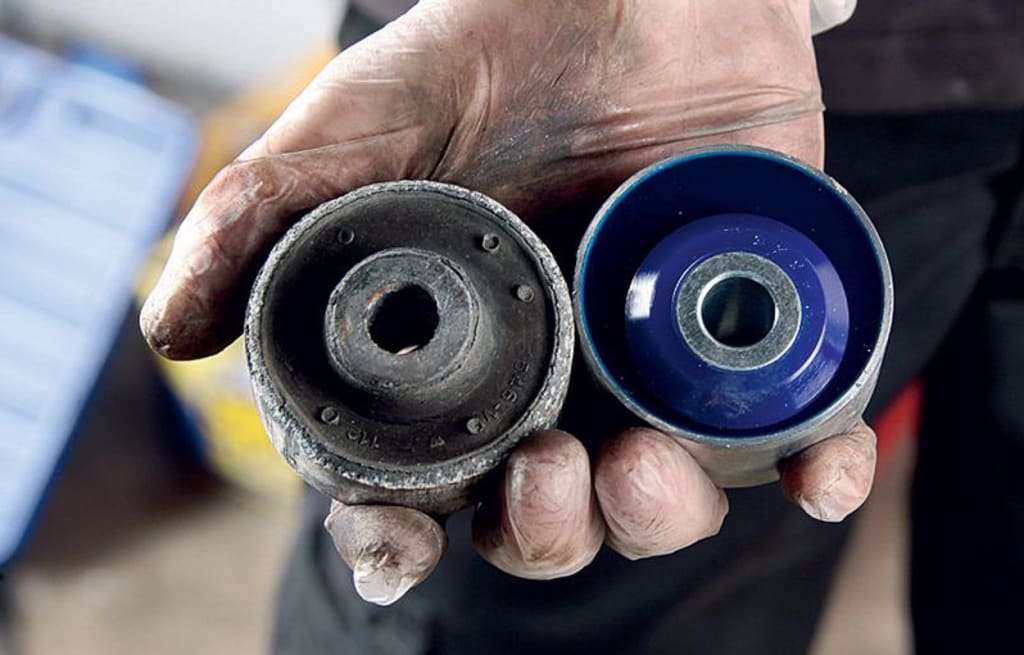
When it comes to optimizing your vehicle's suspension and handling, one of the most crucial yet often overlooked components is the bushing. Acting as vibration dampeners and pivot points between suspension parts, bushings play a vital role in ensuring a smooth ride and overall vehicle control. Similarly, rubber engine mountings—which serve to isolate engine vibrations from the chassis—are another critical yet understated element contributing to ride comfort and mechanical performance.
For drivers and automotive enthusiasts alike, the choice usually comes down to two materials: rubber and polyurethane. Both have their strengths and applications—not just in suspension bushings, but also in engine mountings. But which one is the better choice for your specific vehicle and driving needs?
This blog delves into the differences between rubber vs polyurethane bushings and engine mountings, exploring their properties, performance, durability, and ideal use cases to help you make an informed decision.
What Are Suspension Bushings and Why Do They Matter?
Suspension bushings are small but essential components that serve to isolate vibration and reduce friction between metal parts. You’ll find them in control arms, sway bars, shock absorbers, and various joints across your vehicle’s suspension system.
By cushioning movement, bushings not only improve ride comfort but also enhance steering response and maintain alignment. Over time, worn-out bushings can lead to clunky rides, uneven tire wear, and decreased handling precision. This is why selecting the right bushing material is more than a minor decision—it directly impacts your car’s performance, longevity, and safety.
The Traditional Choice: Rubber Bushings
A Time-Tested Solution for Comfort and Quiet Rides
Rubber bushings, often referred to as rubber suspension bush, are the original equipment manufacturer (OEM) choice for most vehicles, and for good reason. They offer exceptional flexibility and cushioning, absorbing road noise and vibrations effectively. This makes them ideal for daily drivers, family sedans, and city commuters who prioritize comfort.
Their soft composition allows subtle suspension movement, which translates to a smoother ride. However, this flexibility comes at a cost. Rubber tends to degrade over time due to exposure to heat, oil, and road salts, leading to cracking and wear.
For drivers who want a quiet, comfortable ride with minimal harshness, rubber bushings remain a popular and reliable option.
The Modern Alternative: Polyurethane Bushings
Designed for Durability and Performance
Polyurethane bushings are the go-to upgrade for performance-focused vehicles. They are significantly harder than rubber, offering enhanced stiffness and structural integrity. This makes them a favorite among off-roaders, racers, and anyone looking for more aggressive handling.
Unlike rubber, polyurethane resists chemicals, abrasion, and environmental elements far better, making it a longer-lasting choice. However, its increased rigidity can transmit more noise and vibration into the cabin, which might not be ideal for those who value ride comfort.
In high-performance or heavy-duty applications, polyurethane bushings provide a firmer, more direct connection between suspension parts—translating into better feedback, cornering, and control.
Durability Comparison: Which Lasts Longer?
Longevity in Harsh Conditions
When it comes to longevity, polyurethane bushings typically outlast rubber. Rubber bushings, although softer and more pliable, tend to degrade faster due to their susceptibility to oxidation, road salt, and extreme temperatures.
Polyurethane, on the other hand, is engineered to withstand harsh environments. It doesn’t crack as easily, holds its shape better under load, and maintains its performance for years, often outliving the life of the vehicle in which it’s installed.
However, it’s worth noting that improperly lubricated polyurethane bushings can squeak or bind. Many manufacturers now include grease channels or develop low-friction formulas to reduce this issue, but correct installation is key to maintaining their performance.
Ride Comfort and Noise Levels
Smoothness vs Responsiveness
Rubber bushings provide a superior ride quality thanks to their softer structure. They absorb road imperfections, engine vibrations, and general chassis movement more effectively than polyurethane.
For the average commuter or luxury car driver, rubber’s ability to suppress noise and harshness makes it the preferred choice.
Conversely, polyurethane bushings may transmit more road noise and vibration to the cabin. While this isn't a deal-breaker for sport or off-road enthusiasts—who often want more feedback—it can be a downside for those seeking a quieter, cushioned ride.
Handling and Vehicle Control
Precision Driving vs Daily Comfort
If handling precision is your goal, polyurethane bushings offer a noticeable advantage. Their rigidity reduces flex in suspension components, resulting in sharper steering response and tighter cornering ability. You’ll feel a stronger connection to the road, which can be crucial in motorsport or spirited driving conditions.
Rubber bushings, while sufficient for normal driving, allow more movement in the suspension. This can result in slightly delayed responses during hard cornering, braking, or acceleration.
For drivers looking to upgrade handling without going full race-spec, polyurethane bushings offer a good compromise between stiffness and control.
Cost Considerations: Upfront and Long-Term Value
Is the Investment Worth It?
Rubber bushings are generally less expensive upfront and easy to replace, making them a cost-effective choice for the average driver. Their lower price point is attractive, especially when replacing multiple bushings at once.
Polyurethane bushings, while more costly initially, offer longer service life and improved durability. For performance-focused drivers or those in demanding environments, the long-term savings on replacements and better handling often justify the higher price tag.
Keep in mind, however, that installation complexity and potential need for lubrication can add to the cost of polyurethane upgrades.
Which Bushing Material Is Right for You?
Matching Your Choice to Your Driving Style
Ultimately, the decision between rubber and polyurethane bushings should be based on how you use your vehicle.
If you’re primarily driving in urban or suburban environments, and you value comfort, quiet, and a factory-like ride, rubber bushings will serve you well. They are reliable, affordable, and easy to replace when worn.
If your driving involves off-road conditions, high-speed maneuvers, or track days—and you're willing to accept a firmer ride—polyurethane bushings provide enhanced durability and superior handling. They're the better choice when performance and longevity take priority over ride softness.
Conclusion
The debate between rubber vs polyurethane bushings is not about which material is universally better, but rather which is better suited to your driving needs. Each offers distinct advantages: rubber excels in comfort and noise reduction, while polyurethane leads in performance and durability.
Before making a decision, assess your vehicle’s purpose, your personal driving preferences, and the conditions you most often drive in. Whether you're aiming for a silky-smooth commute or a tighter, sportier feel behind the wheel, the right bushing material can dramatically elevate your driving experience.
About the Creator
Navigating Cryptocurrency Asset Recovery
The challenging environment of digital asset theft and loss has given rise to a specialized sector focused on recovery. This field consists of companies with distinct operational models, from direct investigation to technical support and foundational analytics. The following outlines five notable entities often referenced in this space, categorized by their primary function.
By Milan Robertsa day ago in 01
Mobile App Development Costs Seattle Companies Need to Know
It usually happens in a quiet conference room or at a kitchen table turned into an office. A Seattle business leader studies a proposal and feels conflicted. The number makes sense on paper. It fits the spreadsheet. Yet something about it feels incomplete.
By Mary L. Rodriquez2 days ago in 01



Comments
There are no comments for this story
Be the first to respond and start the conversation.