
Reports Indicate that Apple Might Release a Smart Home Hub by the End of the Year
The device that's been making waves could act as a hub for all your HomeKit accessories, providing a more seamless connection with Siri and the entire Apple ecosystem

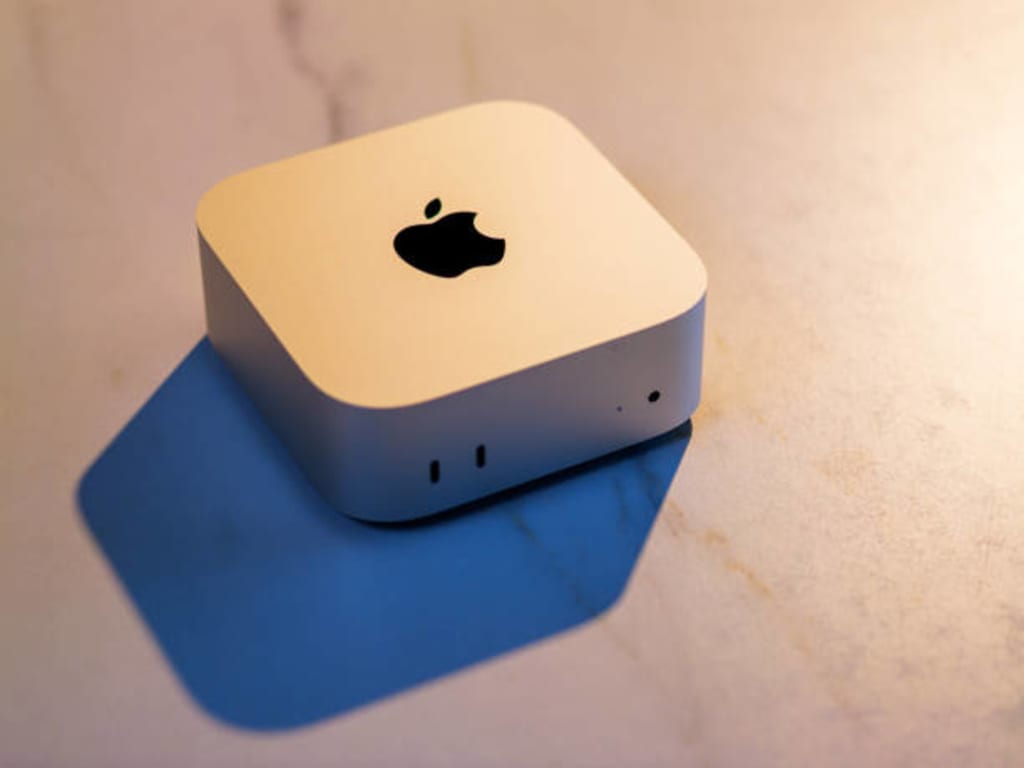
In what could be a major step forward for its smart home strategy, Apple is reportedly gearing up to launch a new smart home hub by the end of this year. Insider sources and analysts keeping an eye on supply chains and software beta releases suggest that this new device might be Apple’s most ambitious move yet into the smart home arena, which has long been ruled by competitors like Amazon and Google.
While Apple has made its mark in the smart home space with its HomeKit framework and the HomePod lineup, it has traditionally been missing a powerful, all-in-one smart home hub that brings together voice control, display capabilities, and seamless device integration. That could be about to change.
Apple’s Expanding Smart Home Vision
Apple's fascination with the smart home market isn't exactly new. The company rolled out HomeKit back in 2014, providing a software platform that enabled various smart home devices to communicate with one another through iOS. The HomePod, which debuted in 2018 and was later updated with the HomePod mini in 2020, functioned as both a speaker and a smart home controller via Siri. However, when compared to Amazon's Echo Show or Google's Nest Hub, Apple’s offerings have fallen short in delivering a comprehensive smart home command center with a display.
Now, it seems Apple is ready to bridge that gap.
Sources familiar with the situation have revealed that the tech giant is actively developing a new smart home hub that could include a touchscreen, support for FaceTime video calls, and deeper integration with Apple’s ecosystem, encompassing iOS, iPadOS, and macOS. This points to a more engaging and interactive interface than what’s currently achievable with just Siri voice commands.
What Could the Smart Home Hub Bring to the Table?
While Apple hasn't officially spilled the beans yet, some leaks and beta code from the latest iOS versions give us a sneak peek at what we might see in this upcoming device. Here are some of the buzzed-about features:
Touchscreen Display: Much like the Echo Show or Nest Hub, Apple’s new gadget is expected to sport a display. This would let users keep an eye on their smart home devices, check out video feeds from HomeKit-enabled cameras, view reminders and calendars, or even interact with Siri through both visuals and voice.
FaceTime Integration: With Apple’s strong focus on communication, adding FaceTime would let users make video calls straight from the hub — a particularly handy feature in our post-pandemic world where staying connected virtually is more important than ever.
Unified Control of Smart Home Devices: This device will likely serve as a central hub for managing smart locks, lights, thermostats, security cameras, and more. Thanks to Apple’s Home app and HomeKit framework, users will enjoy a secure and user-friendly way to oversee all aspects of their connected home.
Privacy and Security: Apple has always positioned itself as a champion of privacy, often taking jabs at competitors for their data collection practices. So, it’s no surprise that the smart home hub is expected to come packed with strong security features, including on-device processing for Siri requests, encrypted communications, and customizable privacy settings.
Seamless Ecosystem Integration: One of Apple’s biggest strengths is its ability to weave new products into its existing ecosystem. This new hub will likely work smoothly with iPhones, iPads, Apple Watches, and Macs — creating a cohesive experience for users who are already in the Apple family.
Market Timing and Strategic Importance
If the reports hold true, Apple is gearing up to unveil its smart home hub at the fall product event, which usually takes place in September. This timing is spot on for the holiday shopping rush, a time when smart home gadgets are hot items on gift lists.
From a strategic standpoint, this move is crucial for Apple. The global smart home market is expected to exceed $150 billion by 2026, and the competition among major tech players is intense. Right now, Amazon’s Alexa-powered Echo devices and Google’s Nest lineup are leading the pack, thanks to their affordability and wide-ranging support for third-party devices.
In contrast, Apple has opted for a more cautious approach, focusing on privacy and quality rather than flooding the market. While this strategy has garnered praise from some users, it has also limited Apple’s presence in the smart home hardware arena. A dedicated smart home hub could change the game, especially if it leverages Apple’s strengths in hardware design, software finesse, and privacy.
Challenges Ahead
Even with all the excitement, Apple’s foray into the smart home hub market is bound to face some hurdles.
First off, pricing will play a crucial role. Apple is known for its premium pricing, and it’s uncertain whether consumers will be willing to shell out more for a product that offers similar features to cheaper options from Amazon and Google.
Secondly, compatibility might pose a challenge. While HomeKit does support a variety of third-party devices, it hasn’t achieved the same level of adoption as Google Assistant or Alexa, which can manage a wider array of smart home products. To stay competitive, Apple will need to ensure that the new hub is compatible with the Matter standard — a new industry-wide smart home protocol aimed at enhancing device interoperability.
Thirdly, getting consumers to buy yet another Apple device, especially during a time when folks are being more careful with their tech spending, might be a tough sell. Apple will really need to highlight the unique perks of its smart home hub to make a strong case for why it deserves a spot in our homes.
Looking Ahead
As is typical with Apple, the company is likely to keep things under wraps until they’re ready for a big reveal. However, the clues are there — from beta code hints to insider leaks and supply chain buzz — all suggesting a launch is on the horizon later this year.
If all goes well, this smart home hub could kick off a bolder move into the smart living arena for Apple. It might change the way Apple users engage with their homes, seamlessly integrating security, automation, entertainment, and communication into one beautifully designed interface.
With smart home technologies gaining traction and Apple’s knack for refining and enhancing existing product categories, the anticipation for this new hub is understandably high. Whether it will revolutionize the smart home market like the iPhone did for mobile phones is still up in the air, but one thing is clear: Apple is gearing up to compete more fiercely than ever.
One thing's for sure: If the smart home hub gets announced this fall, it’s going to be one of the hottest tech releases of the year. It’ll also serve as a clear indication that the future of smart homes isn’t just about individual devices; it’s about creating ecosystems that prioritize user experience and privacy.
About the Creator
Tihan Alam
Writer of thoughts,tales and truths.I explore the everyday with a curious heart and a creative mind.If you love stories that connect,question and inspire—welcome to my corner of words 😇😇😇
Keep reading
More stories from writers in 01 and other communities.
Dr. Collins in The Pitt
Medical dramas have long captured audiences with their mix of emotional storytelling and high-pressure decision-making. Among the newer entries in the genre, The Pitt has emerged as a standout series, praised for its realism and layered characters. One figure who quickly drew attention was Dr. Heather Collins, a physician whose professional strength and personal vulnerability made her one of the show’s most memorable presences.
By Saboor Brohi 3 days ago in 01




Comments
There are no comments for this story
Be the first to respond and start the conversation.