
Pelvic Pain: What Your Body Is Telling You
pelvic-pain

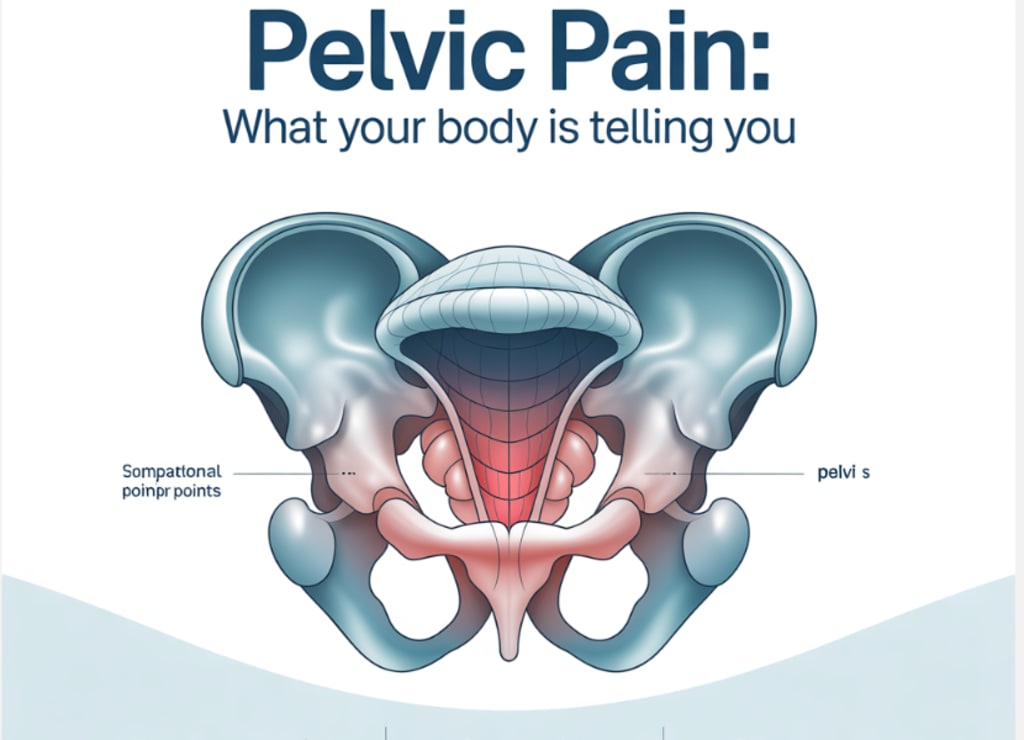
Pelvic pain can feel confusing, frustrating, and even isolating, especially when the cause isn’t immediately clear. For many people, the discomfort comes and goes, shifting in intensity and location. Some days it feels like a dull ache; other days it’s sharp or heavy. While it’s easy to brush it off or hope it resolves on its own, pelvic pain is often the body speaking in its own language. It’s a signal that something deserves attention—whether it’s physical tension, emotional stress, or patterns the body has been carrying for years.
Understanding the Message Behind the Pain
The pelvis is home to a complex system of muscles, nerves, and organs working together to support your body. When something in this system becomes imbalanced, pain can appear as an early warning sign. Pelvic floor muscles can become tight from overuse or weak from underuse, and both conditions can lead to discomfort. Sometimes the pain isn’t even coming from the pelvis directly; it may be referred from the lower back, hips, or core. This interconnectedness means that the pain you feel is often the body’s attempt to draw attention to deeper imbalances that need care and alignment.
How Stress Shapes Pelvic Tension
Stress may not look physical, but it often becomes physical. Many people carry emotional tension in the pelvic region without realizing it. During periods of anxiety or overwhelm, the body naturally contracts and holds. The pelvic floor responds by tightening, limiting circulation and mobility. Over time, this tension can create chronic discomfort. If your pain seems to spike during busy weeks or emotionally heavy periods, your body may be using pelvic symptoms to express what your mind is trying to manage.
When Past Experiences Resurface as Pain
The pelvis keeps a remarkable record of the past. Pregnancy, childbirth, abdominal surgery, sports injuries, or even prolonged sitting can leave lasting imprints on the pelvic muscles. Sometimes pain shows up long after the event, especially if the area never fully healed or regained proper function. The body remembers, and when certain movements or situations trigger old patterns, the pelvis may respond with familiar pain. Reconnecting with your body through gentle movement, breathwork, and mindful strength-building can help release long-held patterns that the body has been carrying quietly.
The Role of Everyday Habits and Posture
We don’t often realize how much influence our daily routines have on the pelvis. Sitting for hours with the pelvis tucked under, rushing through workouts with poor form, or holding in urine because you’re too busy can place unnecessary strain on the pelvic tissues. Even shallow breathing, something many people do all day, can limit movement of the diaphragm and increase pelvic tension. When pelvic pain appears, it’s worth observing these simple habits. Sometimes the most meaningful improvements come from small corrections better posture, deeper breathing, or taking more frequent breaks during long periods of sitting.
Emotional Awareness and the Mind-Body Connection
Pelvic pain isn’t just a physical experience; it often carries emotional layers as well. Many people feel embarrassment, frustration, or confusion around the topic, which can make them hesitate to seek help. But acknowledging your experiences—both physically and emotionally—can be a powerful part of healing. The pelvic region is deeply connected to feelings of safety, stability, and inner strength. When those areas are challenged, the body may reflect that through pain. Giving yourself permission to listen, rather than ignore, can transform the way you relate to your pelvic health.
Responding to Your Body with Compassion
When your pelvis sends signals, it isn’t trying to punish you. It’s guiding you. Pain is often a request for better balance, more breath, healthier movement, or emotional release. By slowing down and paying attention, you begin to build a healthier relationship with your body—one based on communication rather than resistance. With the right support, whether through self-care practices or professional guidance, pelvic pain can lessen and often fully resolve. The body is incredibly resilient. When you respond with patience, curiosity, and care, healing becomes not only possible but deeply empowering.
About the Creator
Elevate You Studio
My name is Gina, I am specialized in tattooing on compromised skin such as scars and stretchmarks to improve their appearance using the latest micro-pigmentation tattoo technique.
https://www.elevateyoustudio.com
Keep reading
More stories from Elevate You Studio and writers in 01 and other communities.
How Procell Therapy for Body Can Help You Achieve Smoother, Younger-Looking Skin
In recent years, aesthetic treatments have evolved to offer increasingly effective and minimally invasive solutions for achieving smoother, younger-looking skin. One of the most cutting-edge techniques gaining popularity is Procell Therapy. This breakthrough treatment is particularly effective in addressing skin concerns such as fine lines, wrinkles, stretch marks, and scarring. But what makes Procell Therapy stand out, and how can it help you transform your skin? In this article, we will explore how Procell Therapy can revitalize your skin, enhancing both its appearance and texture.
By Elevate You Studio12 months ago in 01
Wikimedia reviews begging approach
Do you ever wonder why some stories or articles you write and publish online get more reader interest than others? I do, and sometimes the reason is obvious, sometimes not. Of course we expect our best work to get the most attention, but sometimes it does not. Sometimes we write about something that gets much more interest than we had anticipated. Why?
By Raymond G. Taylor7 days ago in 01
How to Choose the Right Tech Stack to Develop a Web Application
Imagine spending six months building your web application, only to realize the technology you chose can't handle your growing user base. Now you're stuck — rewriting code, burning budget, and losing time you can't get back.
By Nico Gonzalez3 days ago in 01
Staying sane in the insane world.
”It is no measure of health to be well adjusted to a profoundly sick society.” Jiddu Krishnamurti This quote has been one of my favourites since the moment I first laid my eyes on it. To me, it cuts right through the fog of the illusion of normality that permeates our lives. And since I am someone who has never felt (well) adjusted to this society, Krishnamurti’s words gifted me with the realisation that there isn’t anything inherently wrong with me.
By Eva Smitteabout 22 hours ago in Humans




Comments
There are no comments for this story
Be the first to respond and start the conversation.