
NFT Gaming 101: How NFTs Are Changing the Gaming Industry
Exploring NFT Gaming Platforms: The Future of Gaming
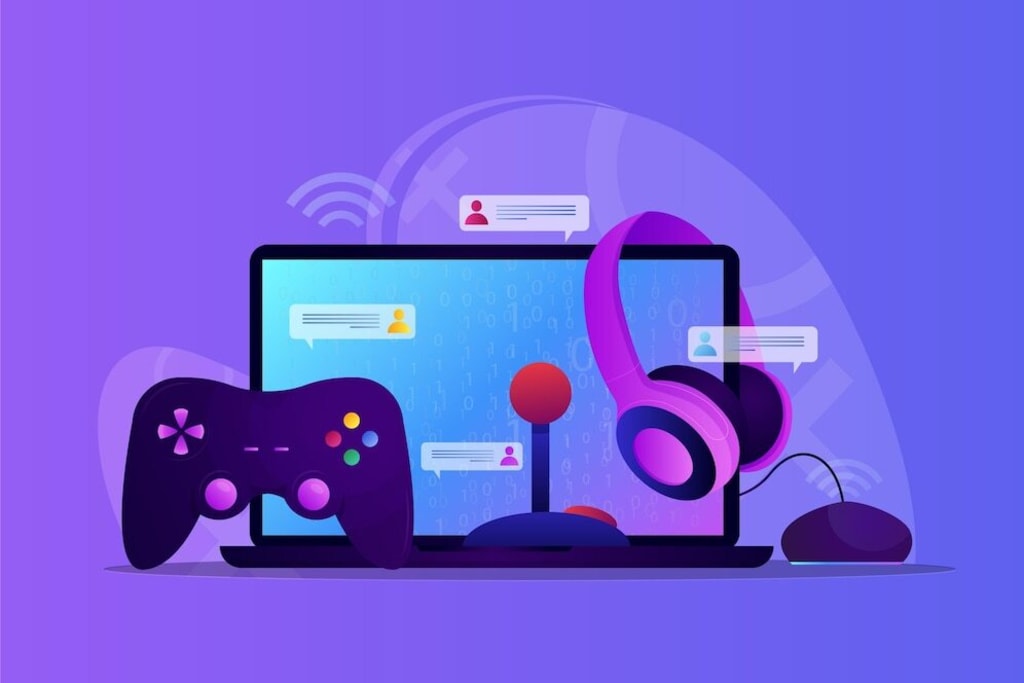
The gaming industry has witnessed a paradigm shift with the introduction of NFTs (Non-Fungible Tokens). NFTs have changed the way gamers interact with games and the gaming industry as a whole. In this article, we will discuss NFT gaming platforms and how they are changing the gaming industry.
What are NFTs and how do they work?
NFTs, or Non-Fungible Tokens, are unique digital assets that represent ownership of a specific item or piece of content. Unlike other tokens, which are interchangeable, NFTs are non-interchangeable and cannot be duplicated. This makes them ideal for representing ownership of rare or one-of-a-kind items, such as in-game items or digital art.
NFTs are based on blockchain technology, which allows for secure and transparent transactions. When an NFT is created, it is assigned a unique identifier that is stored on the blockchain. This identifier ensures that the NFT cannot be duplicated or counterfeited.
NFTs and the Gaming Industry
NFTs have had a significant impact on the gaming industry, particularly when it comes to in-game assets. With NFTs, gamers can own and control their in-game assets, rather than simply renting them from the game developer. This has created new opportunities for gamers to monetize their in-game assets and has increased the value of rare or unique items.
NFTs have also impacted game development by providing a new source of revenue for game developers. By creating and selling NFTs, game developers can generate additional income and create new revenue streams.
Finally, NFTs have the potential to create new gaming experiences, as they allow for greater ownership and control over in-game assets. This means that gamers can create their own unique experiences and trade their in-game assets with other gamers, leading to a more dynamic and diverse gaming ecosystem.
NFT Gaming Platforms
NFT gaming platforms are platforms that allow gamers to buy, sell, and trade in-game assets as NFTs. These platforms provide a marketplace for gamers to interact with each other and to buy and sell their in-game assets in a secure and transparent way.
Some examples of NFT gaming platforms include Axie Infinity, The Sandbox, Jump.trade, and Decentraland. These platforms offer a variety of features, such as user-generated content, social gaming, and virtual worlds.
Benefits of NFT Gaming Platforms
One of the key benefits of NFT gaming platforms is increased ownership and control over in-game assets. With NFTs, gamers can truly own their in-game assets and have the ability to sell, trade, or transfer them as they wish. This creates a more immersive and engaging gaming experience.
NFT gaming platforms also offer enhanced security and transparency, as all transactions are recorded on the blockchain. This ensures that in-game assets are protected from fraud and counterfeiting, and that gamers can have confidence in the authenticity of their assets.
Furthermore, NFT gaming platforms offer the potential for monetization. Gamers can earn money by creating and selling their own in-game assets, or by participating in the platform's economy through various means, such as staking or providing liquidity.
How to get started with NFT Gaming Platforms
One of the main challenges facing NFT gaming platforms is high transaction fees. Because transactions on the blockchain require computing power and energy, fees can be prohibitively expensive for some gamers. This can limit the accessibility of NFT gaming platforms and make it difficult for smaller gamers to participate.
Another challenge is limited accessibility. While NFT gaming platforms offer new opportunities for gamers, they can also be exclusive to those who have access to the necessary technology and resources. This can create barriers to entry for some gamers and limit the potential for widespread adoption.
Finally, regulatory concerns also present a challenge for NFT gaming platforms. Because the technology is still relatively new, there is a lack of regulatory guidance around the use of NFTs in gaming. This can create uncertainty for both gamers and developers, and may limit the growth of NFT gaming platforms.
Conclusion
In conclusion, NFTs are changing the gaming industry by providing gamers with greater ownership and control over their in-game assets. NFT gaming platforms offer new opportunities for monetization and a more dynamic gaming ecosystem. However, there are also challenges that must be addressed, such as high transaction fees and limited accessibility.
Looking to the future, it is likely that NFTs will continue to play an important role in the gaming industry, as more developers and gamers embrace the technology. As the industry evolves, it will be important to address these challenges and to ensure that NFT gaming platforms are accessible and inclusive for all gamers.
We encourage gamers to explore NFT gaming platforms and to see how they can participate in this exciting new frontier of the gaming industry. With the potential for greater ownership, control, and monetization, NFT gaming platforms offer a unique and engaging gaming experience that is sure to captivate gamers for years to come.
About the Creator
James Anders
https://www.jump.trade/
Reader insights
Good effort
You have potential. Keep practicing and don’t give up!
Top insights
Excellent storytelling
Original narrative & well developed characters
Heartfelt and relatable
The story invoked strong personal emotions
Keep reading
More stories from James Anders and writers in 01 and other communities.
Why NFT Gaming Is the Future of Online Gaming: A Comprehensive Guide
Online gaming has become a popular pastime for people worldwide, with millions of people logging on every day to play their favorite games. However, there's a new player in town that has the potential to revolutionize the industry: NFT gaming. In this comprehensive guide, we'll delve into what NFT gaming is, its benefits, and why it is the future of online gaming.
By James Anders3 years ago in 01
2026 Reality How Mobile Apps Are Developed Now
In 2026, the question how are mobile apps developed no longer describes a linear build process. It reflects a structural shift inside the Google ecosystem where AI Retrieval, Zero Click discovery, and entity-level evaluation now determine whether apps gain visibility, authority, or fade into functional obscurity.
By Mary L. Rodriquez6 days ago in 01


Comments
There are no comments for this story
Be the first to respond and start the conversation.