
Moissanite Vs Diamond
When it comes to choosing between moissanite and diamond jewelry
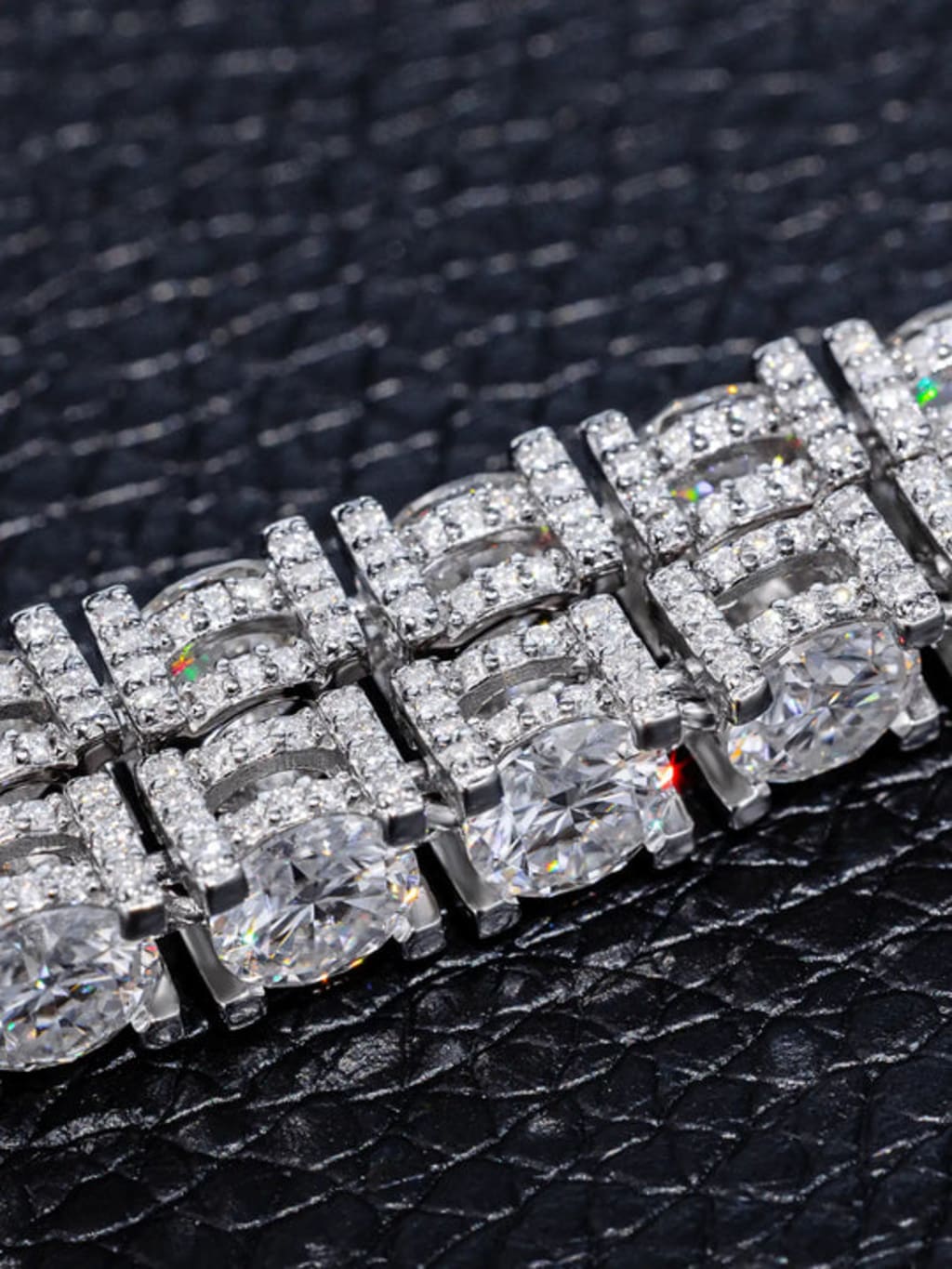
Moissanite Jewelry vs. Diamond Jewelery
When it comes to choosing between moissanite and diamond jewelry, many factors come into play. Both gemstones have their unique qualities, making them appealing for different reasons.
Let's dive into a detailed comparison to help you make an informed decision.
1. Origin and Composition
Moissanite**: Discovered by Henri Moissan in 1893, moissanite is a naturally occurring silicon carbide. However, most moissanite used in jewelry today is lab-created, ensuring a sustainable and ethical source.
Diamonds are formed under high-pressure, high-temperature conditions deep within the Earth. They are composed of carbon atoms arranged in a crystal lattice. Natural diamonds are mined, while lab-grown diamonds are created in controlled environments.
2. Appearance and Brilliance
Moissanite Known for its exceptional brilliance, moissanite has a higher refractive index (2.65) than diamonds (2.42). This means moissanite often sparkles more intensely, displaying a "rainbow" effect under light.
Diamonds are renowned for their classic, timeless sparkle. They exhibit a pure white light, known as "fire," which many people find more appealing than the colorful flashes of moissanite.
3. Durability
Moissanite : With a hardness rating of 9.25 on the Mohs scale, moissanite is incredibly durable and suitable for everyday wear. It is resistant to scratching and chipping.
Diamonds are the hardest known natural material, scoring a perfect 10 on the Mohs scale. This makes them extremely durable and ideal for engagement rings and other jewelry pieces meant to last a lifetime.
4. Cost
Moissanite Generally, moissanite is more affordable than diamonds. The price difference can be significant, making moissanite an attractive option for budget-conscious buyers.
Diamond Diamonds are typically more expensive, especially natural ones. Factors such as carat weight, cut, color, and clarity influence the price, with larger and higher-quality diamonds commanding higher prices.
5. Ethical and Environmental.
Considerations
Moissanite: Lab-created moissanite is considered an ethical and environmentally friendly choice. Its production has a minimal environmental impact compared to diamond mining.
Diamond: While lab-grown diamonds offer an ethical alternative, natural diamond mining can have significant environmental and social impacts. It's essential to look for conflict-free diamonds certified by organizations like the Kimberley Process.
6. Popularity and Perception
Moissanite : While gaining popularity, moissanite is still less well-known than diamonds. Some people may prefer diamonds due to their traditional and prestigious status.
Diamond : Diamonds have long been associated with luxury, love, and commitment. They are often seen as the ultimate symbol of enduring love, making them a popular choice for engagement rings.
Conclusion
Both moissanite and diamond jewelry have their unique advantages. Moissanite offers exceptional brilliance, durability, and affordability, making it an excellent choice for those seeking a stunning yet budget-friendly option.
Diamonds, with their timeless appeal, unmatched hardness, and symbolic significance, remain a classic favorite.
Ultimately, the choice between moissanite and diamond comes down to personal preference, budget, and values. Whether you opt for the dazzling sparkle of moissanite or the enduring elegance of diamonds, both gemstones can create beautiful, cherished pieces of jewelry.
I hope this comparison helps you decide which gemstone suits your needs best.
Lab-grown diamonds, also known as synthetic or man-made diamonds, are created in controlled laboratory environments using advanced technological processes. Here’s a deeper look into what makes them unique:
1. Creation Process
Lab-grown diamonds are produced using two primary methods:
High Pressure High Temperature (HPHT): This method mimics the natural conditions under which diamonds form in the Earth’s mantle. Carbon material is subjected to extreme pressure and temperatures, resulting in the formation of a diamond.
Chemical Vapor Deposition (CVD): In this process, a diamond seed is placed in a vacuum chamber filled with carbon-rich gases. These gases are then ionized, causing carbon atoms to deposit onto the seed and form a diamond layer by layerAd1.
2. Physical and Chemical Properties
Lab-grown diamonds have the same physical, chemical, and optical properties as natural diamonds. They are composed of carbon atoms arranged in a crystal lattice structure, making them virtually indistinguishable from mined diamonds to the naked eyeAd1.
3. Quality and Grading
Just like natural diamonds, lab-grown diamonds are graded based on the 4 Cs: Carat, Cut, Color, and Clarity. They can achieve the same levels of quality and brilliance as their natural counterparts. Reputable grading organizations like the Gemological Institute of America (GIA) and the International Gemological Institute (IGI) provide certifications for lab-grown diamonds2.
4. Cost
Lab-grown diamonds are generally more affordable than natural diamonds. This cost difference is due to the shorter supply chain and the ability to produce diamonds on demand. On average, lab-grown diamonds can be 20-40% less expensive than natural diamonds of similar quality2.
5. Ethical and Environmental Impact
One of the significant advantages of lab-grown diamonds is their ethical and environmental benefits. Since they are created in laboratories, there is no need for mining, which can have detrimental effects on the environment and local communities. Many lab-grown diamond producers also use renewable energy sources, further reducing their environmental footprintAd1.
6. Popularity and Market Trends
Lab-grown diamonds are becoming increasingly popular, especially among environmentally conscious consumers. They offer a sustainable and ethical alternative to mined diamonds without compromising on quality or beauty. Many jewelers now offer a wide range of lab-grown diamond jewelry, from engagement rings to earrings and bracelets2.
Conclusion
Lab-grown diamonds provide a compelling alternative to natural diamonds, offering the same beauty and durability at a more affordable price. Their ethical and environmental advantages make them an attractive choice for many consumers. Whether you’re looking for an engagement ring or a special piece of jewelry, lab-grown diamonds are worth considering.
Click here to view a wide selection of moissanite jewelry
About the Creator
Keep reading
More stories from writers in 01 and other communities.
What Is a Crypto Token and How Much Does It Cost to Build One?
Cryptocurrency and blockchain technology have become very popular in recent years. Many startups, businesses, and even individuals are now interested in creating their own crypto tokens. A crypto token can be used for payments, rewards, governance, gaming, NFTs, or many other purposes.
By ecosmob technologies3 days ago in 01
How AI and Machine Learning Are Transforming Mobile Banking Apps
Mobile banking has evolved from a convenience feature into a core financial service. In 2026, the real driving force behind this evolution is Artificial Intelligence (AI) and Machine Learning (ML). These technologies are reshaping how users interact with banking apps, how banks detect fraud, manage risk, and deliver personalized financial experiences.
By shane cornerusa day ago in 01
🅼🅸🅳🅽🅸🅶🅷🆃 🆂🅽🅰🅲🅺🆂
"It's 10 in Tuscon! We all know what that means... It's Time for Midnight Snacks with your man, Gerald Gee! Ready to spend the night together? Me too! I'm full of snacks and can't wait to regurgitate them all back into your hungry ears. Crack a brew! Pop some corn! Anything to get ready for one hell of a show where the talk maybe cheap but the words cut deep...
By Lamar Wiggins8 days ago in Fiction




Comments
There are no comments for this story
Be the first to respond and start the conversation.