
Mini Concrete Batch Plant: Affordable Entry to the Concrete Supply Market
How mini concrete batch plants are transforming small-scale construction with low-cost, mobile, and efficient concrete production solutions.
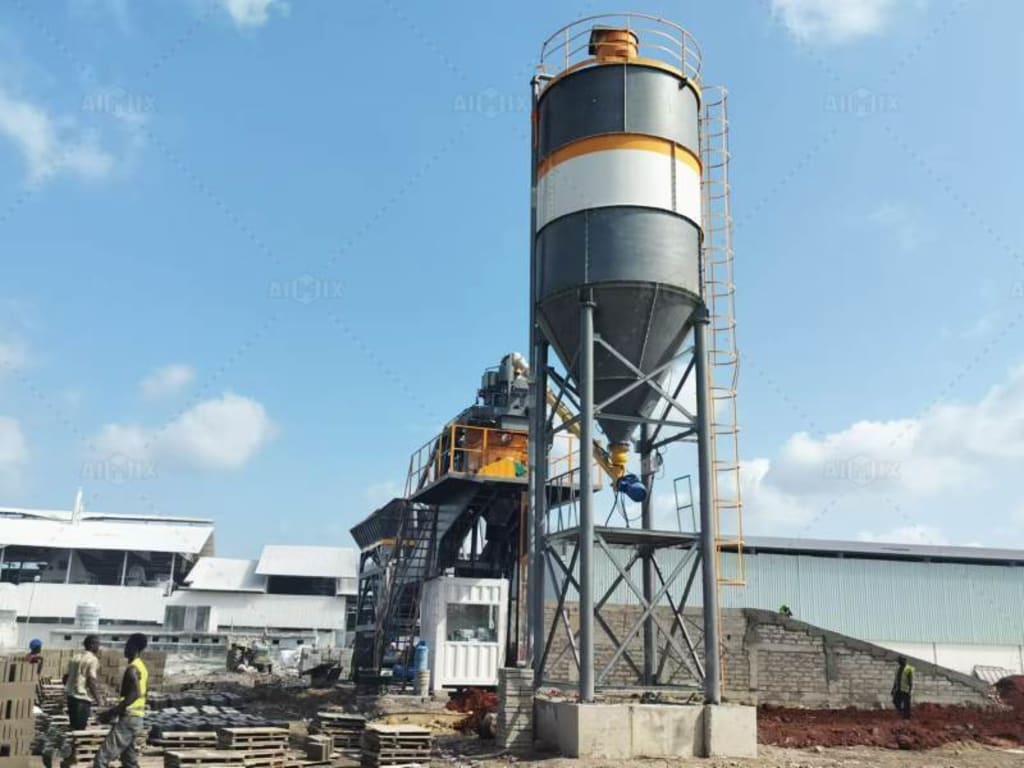
In today’s fast-evolving construction industry, efficiency, mobility, and cost-effectiveness are more important than ever. For small- to medium-scale contractors, start-ups, or businesses in emerging markets, establishing a full-scale concrete production facility can be prohibitively expensive. That’s where the mini concrete batch plant comes into play—a compact, budget-friendly, and powerful solution that lowers the entry barrier to the concrete supply market.
This article explores how the mini concrete batch plant has emerged as an affordable and strategic choice for new entrants, niche contractors, and small infrastructure projects.
1. What Is a Mini Concrete Batch Plant?
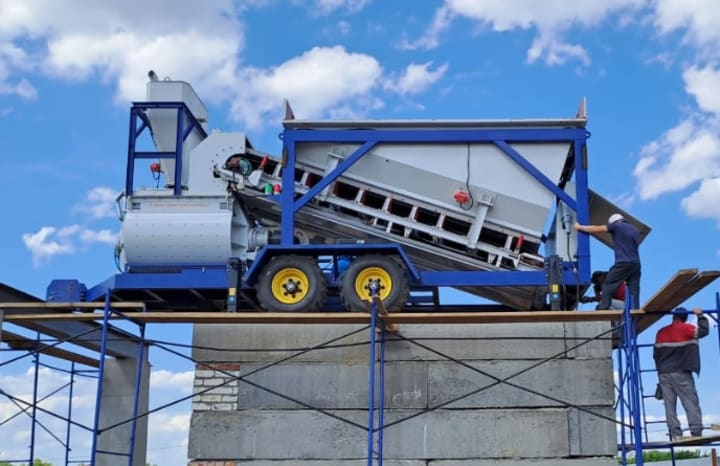
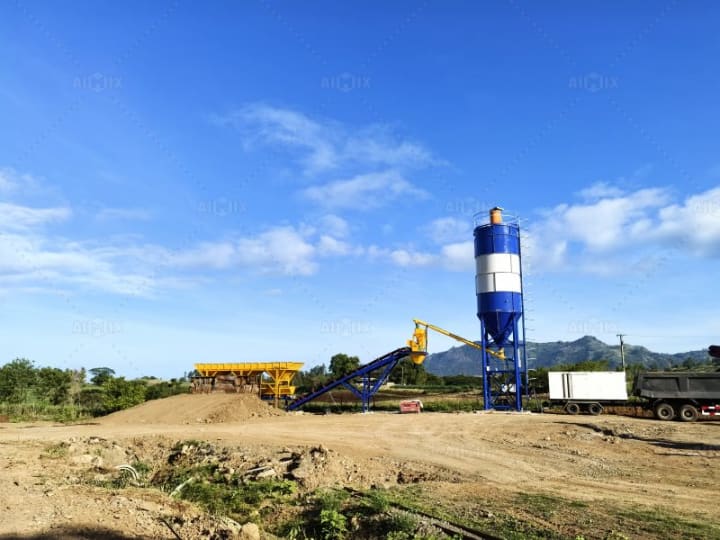
A mini concrete batch plant is a scaled-down version of a traditional batching plant designed to produce small volumes of concrete per hour—typically ranging from 15 to 35 m³/h. Despite its compact size, a mini plant includes the essential systems found in larger models: aggregate storage, cement silos, a mixing unit, and a control system.
Its advantages lie in:
Lower initial investment
Compact footprint
Ease of installation and relocation
Simplified operation and maintenance
Whether for urban infill projects, precast production, or remote-site construction, mini plants offer a nimble and cost-efficient alternative.
2. An Affordable Launchpad for Concrete Entrepreneurs
Starting a concrete supply business typically requires substantial capital—large land parcels, heavy-duty equipment, high utility consumption, and skilled labor. Mini batching plants significantly reduce these requirements, making them ideal for:
Startups in the concrete business
Small construction firms wanting in-house mixing capacity
Builders in rural or hard-to-access regions
With entry-level models often priced between $25,000 and $60,000, a mini plant can produce return on investment within 6 to 12 months, depending on market demand.
3. Mobility Means Market Flexibility
One of the standout features of mini concrete batch plants is their modular and mobile design. Unlike traditional stationary batching plants, many mini models can be:
Mounted on trailers
Transported easily between job sites
Installed with minimal foundation requirements
This mobility allows producers to chase projects across locations, supply multiple small-scale sites, and even operate in regions where large batching plants are not viable due to space or access constraints.
4. Meeting Local Market Demands Efficiently
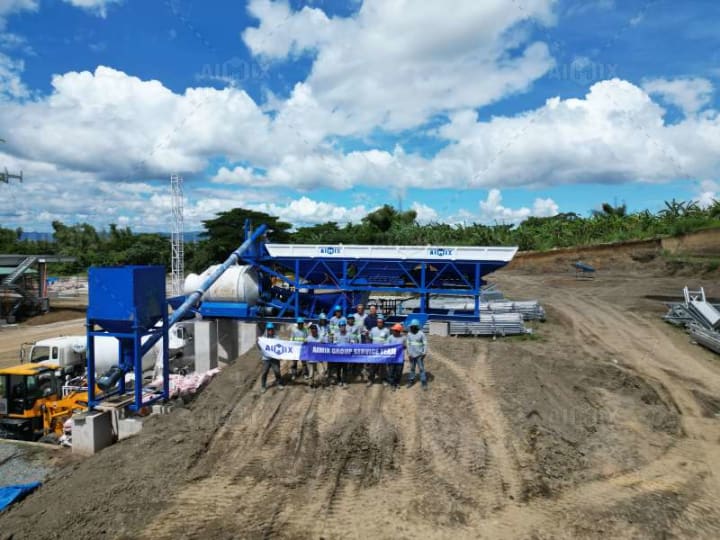
The growing demand for local, on-demand concrete supply is driving interest in mini batching plants. These plants are particularly suited to:
Residential construction: villas, apartments, renovation works
Municipal infrastructure: sidewalks, drainage, curbs
Precast elements: blocks, pipes, fencing, and more
Emergency repair projects: road patching, foundation fixes
In many developing countries and remote areas, the lack of centralized concrete supply has opened the door for smaller players to enter the market using mini plants.
5. Technology Keeps Getting Smarter—Even in Mini Sizes
Modern mini concrete batch plants come with surprisingly advanced features:
Fully automatic control systems (PLC/HMI)
Digital scales for aggregate and cement weighing
Moisture sensors and mix consistency tracking
Mobile app integration for remote operation
These smart features improve accuracy, reduce manual errors, and enable better control over batch quality—even with fewer operators.
Some models also support quick recipe switching, making them flexible enough to serve various construction needs throughout the day.
6. Environmental and Operational Benefits
Besides affordability and convenience, mini plants contribute to sustainable construction practices:
Reduced waste: batching only what’s needed, when it’s needed
Less energy consumption: lower power demands compared to larger plants
Minimal land use: can be installed on small urban lots or inside existing facilities
Additionally, their simple maintenance requirements mean less downtime, lower running costs, and a smaller carbon footprint overall.
7. Challenges to Consider
While mini concrete batch plants offer many advantages, there are trade-offs:
Lower production capacity may not suit large-scale projects
Limited storage for raw materials can require frequent reloading
Fewer automation options compared to high-end plants
However, for businesses that align their plant capacity with their market size and target niche projects, these are often acceptable limitations.
8. Ideal Buyers and Use Cases
Mini concrete batch plants are ideal for:
Contractors in developing regions where large batching plants are cost-prohibitive
Construction firms serving tight-space urban zones
Precast manufacturers needing a small, dedicated supply line
Rental businesses offering mobile batch plant services to multiple contractors
They also serve as excellent backup plants for larger operations during peak demand or remote project execution.
9. Conclusion: Small Size, Big Potential
The mini concrete batch plant is proving that you don’t need a massive facility to be a serious player in the concrete supply business. Its affordability, mobility, and versatility make it an ideal choice for entrepreneurs and small contractors looking to control quality.
About the Creator
consrtuctionmachines
AIMIX is a customer-center-oriented heavy equipment manufacturer and supplier, devoted to production, innovation, combination, one-stop solution, etc.
https://aimixgroup.com/
Keep reading
More stories from consrtuctionmachines and writers in 01 and other communities.
How Concrete Pump Companies Arrange Trailer Concrete Pump Production
Trailer concrete pump is a versatile and widely used piece of construction equipment, offering mobility and efficiency for various projects. For a concrete pump company, organizing its production involves multiple stages—from design and material procurement to assembly and quality control.
By consrtuctionmachines8 months ago in 01
Top Dating App Development Companies in Saudi Arabia
Introduction The digital dating landscape in Saudi Arabia is expanding rapidly as more people embrace online platforms for social engagement and relationship building. Today’s dating apps require advanced features such as AI-powered matchmaking, secure messaging and video calling, profile verification, geolocation discovery, push notifications, privacy controls, and a seamless mobile experience that meets user expectations.
By Nayel Basim Al Shehhi3 days ago in 01


Comments
There are no comments for this story
Be the first to respond and start the conversation.