
How Concrete Pump Companies Arrange Trailer Concrete Pump Production
Aimix concrete pumping solution
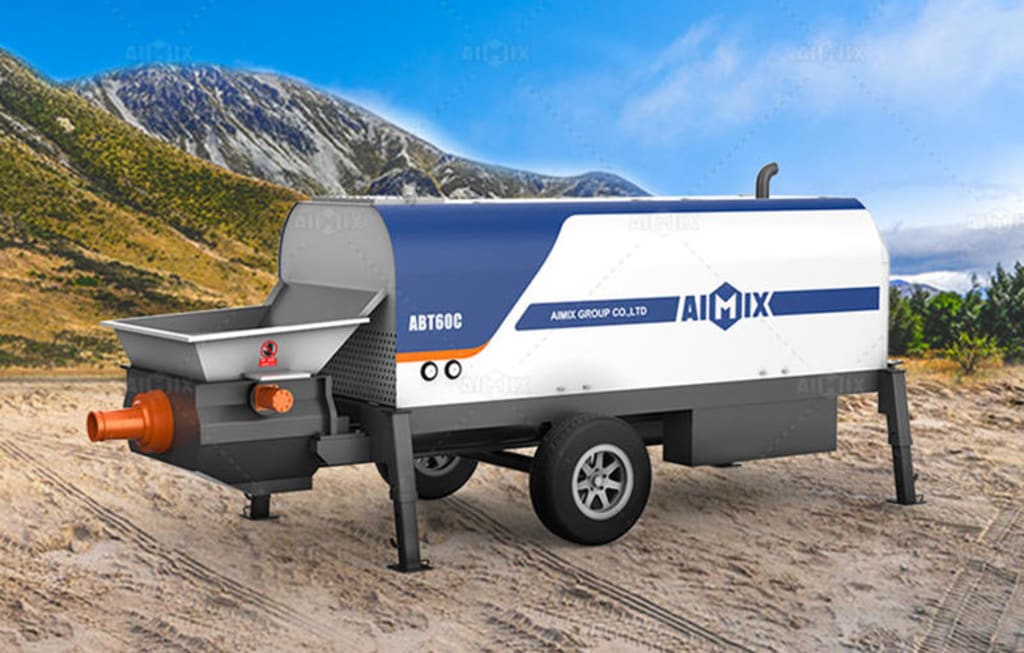
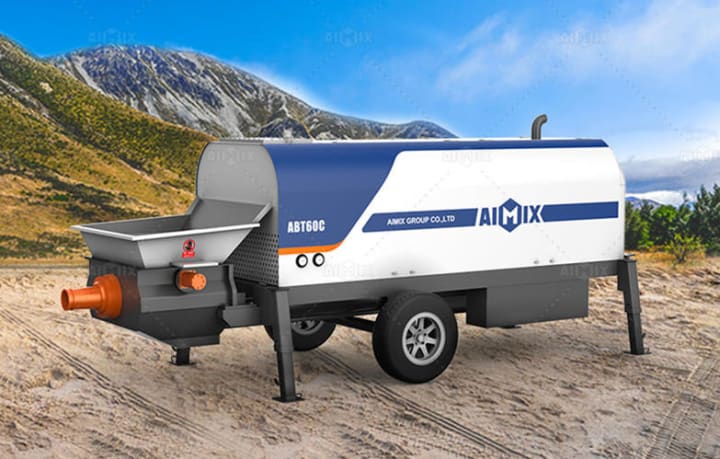
Trailer concrete pump is a versatile and widely used piece of construction equipment, offering mobility and efficiency for various projects. For a concrete pump company, organizing its production involves multiple stages—from design and material procurement to assembly and quality control.
This guide explores:
✔ Key stages in trailer concrete pump manufacturing
✔ Supply chain and material sourcing strategies
✔ Production line setup and workflow optimization
✔ Quality control and testing procedures
✔ How companies manage costs and efficiency
By understanding the production process, buyers can better assess pump quality, lead times, and pricing when choosing a supplier.
Production Planning & Design Phase
A. Market Research & Demand Analysis
Before production begins, a concrete pump company must:
Analyze market demand (e.g., small trailer pumps vs. high-capacity models).
Identify key customer needs (e.g., remote construction sites, urban projects).
B. Engineering & Prototyping
Mechanical design (CAD modeling for pump structure, hydraulics, and chassis).
Prototype development (testing durability, pumping efficiency, and mobility).
Example:
A trailer-mounted 40m³/h pump may undergo 3-6 months of prototyping before mass production.
Material Sourcing & Supply Chain Management
A. Key Components & Suppliers
Component Source Quality Considerations
Hydraulic System Germany/Japan (Bosch, Kawasaki) Pressure resistance, leak-proof design
Pumping Cylinders China/USA (Local steel mills) High-grade alloy steel for wear resistance
Chassis & Trailer Frame Local manufacturers Reinforced steel, corrosion protection
Electrical Controls EU/China (Siemens, Omron) Waterproof, dustproof ratings
B. Cost Optimization Strategies
Bulk purchasing agreements (reduces per-unit costs).
Local vs. imported materials (balancing quality and budget).
Manufacturing Process & Assembly Line Setup
A. Production Workflow
Frame Fabrication
Cutting, welding, and reinforcing the trailer chassis.
Pump Assembly
Installing hydraulic pistons, hopper, and mixing system.
Electrical & Control Integration
Wiring PLC systems, remote controls, and sensors.
Final Painting & Weatherproofing
Anti-rust coatings, company branding.
B. Automation vs. Manual Labor
Process Automation Level Labor Cost Impact
Welding Robotic (60-80%) Reduces labor by 50%
Hydraulic Assembly Semi-automated Skilled technicians required
Quality Testing Manual + AI-assisted Ensures precision
Example:
A fully automated German plant produces 1 pump every 2 days.
A semi-automated Chinese factory makes 1 pump per day with more workers.
Quality Control & Performance Testing
A. Rigorous Testing Procedures
Pressure Testing
Hydraulic systems tested at 1.5x max working pressure.
Concrete Pumping Test
Running 50-100m³ of concrete to check for blockages.
Durability & Vibration Tests
Simulating rough terrain conditions.
B. Certification & Compliance
CE (Europe), ANSI (USA), GB (China) standards.
ISO 9001 quality management certification.
Logistics & Delivery to Customers
A. Packaging & Shipping Methods
Flatbed trucks (for domestic deliveries).
Container shipping (for international exports).
B. Lead Time Factors
Factor Impact on Production Time
Custom orders +2-4 weeks
Material shortages +1-3 months
High demand season +30% delay
Average Production Time: 4-12 weeks (depending on complexity).
Cost Management & Pricing Strategy
A. Production Cost Breakdown
Cost Factor Percentage of Total Cost
Materials 50-60%
Labor 20-30%
Overhead (Rent, Utilities) 10-15%
Profit Margin 10-20%
B. How Companies Reduce Costs
✔ Lean manufacturing (minimizing waste).
✔ Local sourcing (cutting import taxes).
✔ Bulk discounts (steel, hydraulics).
Conclusion: What Buyers Should Look For
Key Takeaways
A reliable concrete pump company follows strict quality control and efficient production planning.
Material sourcing impacts pump durability and price.
Lead times vary—custom orders take longer.
Buying Tips
✔ Ask for production facility tours (if possible).
✔ Check certifications (CE, ISO).
✔ Compare warranty policies (1-2 years standard).
Final Verdict:
Understanding how trailer concrete pumps are made helps buyers choose high-quality, cost-effective machines for their projects.
About the Creator
consrtuctionmachines
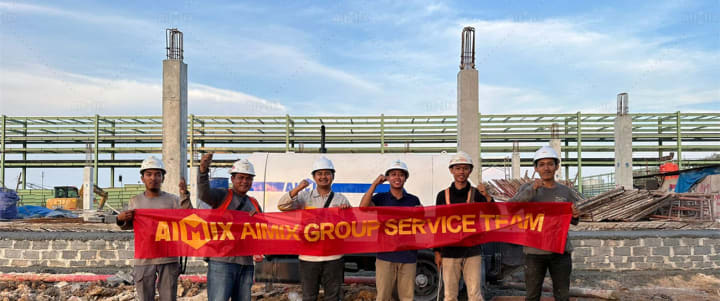
AIMIX is a customer-center-oriented heavy equipment manufacturer and supplier, devoted to production, innovation, combination, one-stop solution, etc.
https://aimixgroup.com/
Keep reading
More stories from consrtuctionmachines and writers in 01 and other communities.
Market Trends in Concrete Mixer Prices Across Nigeria
Understanding market trends in concrete mixer prices across Nigeria is crucial for builders and suppliers. It helps optimize purchasing decisions and manage costs effectively. This analysis explores the factors influencing prices and offers valuable insights for stakeholders.
By consrtuctionmachines8 months ago in 01




Comments (1)
Trailer concrete pumps are key in construction. Understanding production stages helps buyers. I've seen how crucial design and sourcing are for quality and cost.