
Maximizing Efficiency with Small Concrete Batching Plants in Residential Construction
Unlocking the Potential of Small and Mobile Concrete Batching Plants for Efficient Residential Construction

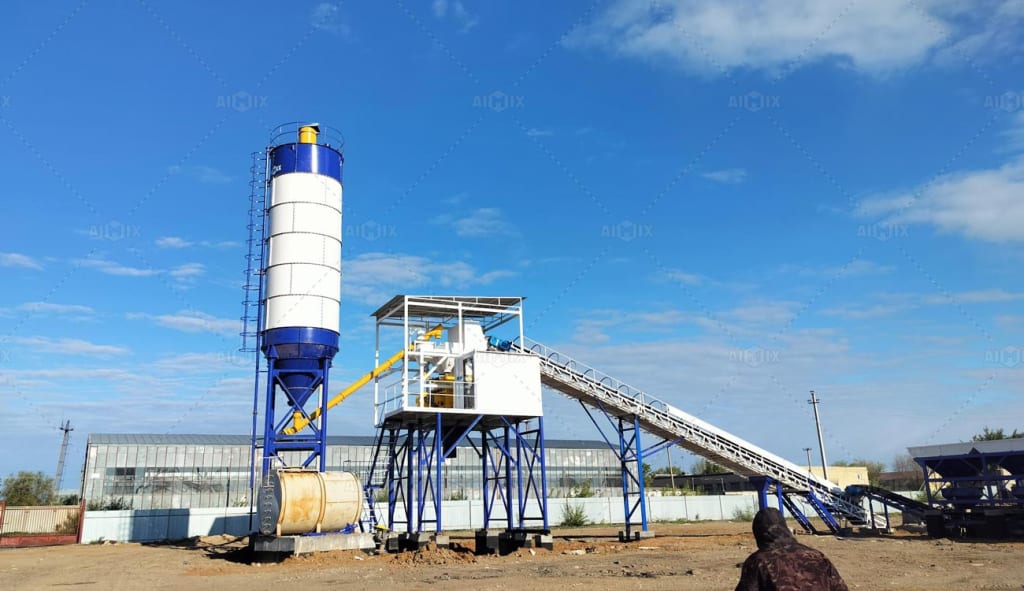
In the residential construction sector, efficiency, cost-effectiveness, and time management are critical factors that influence the success of any project. From smaller homes to multi-family residential complexes, contractors are continually searching for ways to streamline operations, reduce costs, and deliver high-quality results on time. One of the most impactful solutions is the use of small concrete batching plants, which provide significant benefits over traditional methods of sourcing ready-mix concrete. In this article, we’ll explore how small concrete batching plants, including mobile concrete batching plants, are helping to maximize efficiency in residential construction projects.
What is a Small Concrete Batching Plant?
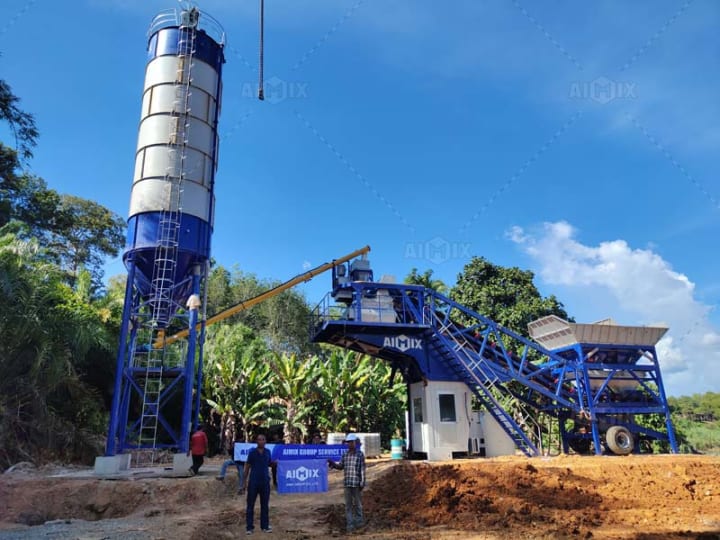
A small concrete batching plant is a compact version of traditional batching plants designed for producing concrete in smaller quantities. These plants can be stationary or mobile, with mobile plants offering the flexibility to be relocated from one construction site to another. Small concrete batching plants are capable of mixing and batching the raw materials (such as cement, aggregates, water, and additives) to produce concrete to specific specifications, offering control over the concrete quality and reducing dependence on external suppliers.

The Growing Demand for Small Concrete Batching Plants in Residential Construction
The residential construction industry often requires smaller volumes of concrete compared to larger infrastructure projects, making small concrete batching plants an ideal solution. Builders and contractors working on projects such as single-family homes, townhouses, or low-rise apartment buildings can benefit significantly from the convenience and flexibility offered by these batching plants.
As residential construction continues to rise globally, including in areas with rapidly growing urban populations, the demand for small concrete batching plants is increasing. These plants provide a cost-effective solution for on-site concrete production, cutting down on delays and reducing the logistical challenges of transporting concrete to construction sites.
1. Cost Savings and Budget Control
One of the most significant advantages of using a small concrete batching plant in residential construction is the ability to control costs. Typically, when contractors rely on ready-mix concrete suppliers, they incur additional costs such as transportation, delivery, and waiting time. In remote or urban locations with high traffic congestion, these costs can be substantial and unpredictable.
By investing in a small concrete batching plant, construction companies can produce concrete on-site, eliminating the need for delivery services and associated fees. This leads to more predictable project budgets and a reduction in overall costs. Moreover, the plant allows for precise control over the materials used in concrete production, preventing wastage of excess material and ensuring the exact quantities needed for each batch.
For contractors working on several residential projects or smaller, high-turnover jobs, the long-term savings from using small batching plants can make a significant impact on the bottom line. Mobile concrete batching plants are especially beneficial in this regard, as they offer the flexibility to serve multiple locations without additional transportation costs.
2. Enhanced Efficiency and Productivity
The efficient operation of a residential construction project heavily relies on having all materials on-site when needed. With traditional methods of sourcing concrete, there is always the risk of delays due to external factors, such as traffic or scheduling issues with suppliers. These delays can significantly affect the timeline of a project, causing cascading delays in the overall construction schedule.
Small concrete batching plants improve overall project efficiency by ensuring that concrete is available on-demand. By having the plant directly on-site, contractors can produce concrete in the exact quantities required at any given moment, reducing waiting times and allowing for quicker execution of tasks like foundation pouring, slab laying, and other concrete-intensive activities.
Mobile concrete batching plants are particularly advantageous for residential projects that require frequent moves or have multiple phases spread across different areas. These plants can be easily relocated to different parts of a development site, providing the flexibility to adjust to the changing needs of the project without wasting time waiting for external deliveries.
3. Improved Concrete Quality and Consistency
Consistency is key when it comes to concrete, especially for residential projects where the structural integrity of a building is at stake. Small batching plants allow for greater control over the production process, ensuring that each batch of concrete meets the desired mix design and specifications.
By producing concrete on-site, contractors can monitor the consistency of the mix, adjusting it as needed to maintain quality. This control over the production process is crucial for ensuring that the concrete used in foundations, walls, and other structural components meets the necessary standards.
Moreover, small concrete batching plants can be equipped with advanced features such as automated controls and mix monitoring systems, which ensure that the correct proportions of materials are consistently used. This eliminates human error and ensures that each batch of concrete is uniform, which is crucial for maintaining the integrity and durability of residential structures.
4. Flexibility and Mobility for Various Projects
One of the most significant advantages of small concrete batching plants, especially mobile concrete batching plants, is their ability to be relocated to different job sites. For residential construction companies managing multiple projects or working in areas with limited space for large batching plants, the flexibility offered by mobile plants is invaluable.
Mobile batching plants can be quickly set up and dismantled, making them ideal for residential construction sites that require mobility. These plants can be transported to different locations, whether for a small development project or a multi-phase construction project, reducing downtime and improving overall workflow.
In addition, small concrete batching plants can be easily scaled according to the size of the project. If a project requires only a small quantity of concrete, the plant can be operated at a lower capacity, saving energy and resources. On larger projects, the plant can be operated at full capacity to meet the increased demand for concrete.
5. Environmental Benefits
As sustainability becomes an increasing priority in construction, the environmental impact of producing concrete is under scrutiny. Small concrete batching plants, particularly mobile concrete batching plants, help reduce the carbon footprint associated with traditional concrete production methods.
Producing concrete on-site reduces the need for transportation, which helps lower fuel consumption and emissions. Furthermore, modern batching plants are equipped with features such as water recycling systems and dust control mechanisms, reducing the environmental impact of concrete production. By reducing waste and reusing water, contractors can contribute to more sustainable construction practices, which are increasingly demanded by regulatory bodies and environmentally conscious consumers.

Conclusion
In the competitive world of residential construction, using a small concrete batching plant is a smart way to maximize efficiency, reduce costs, and improve the quality of concrete used in a project. Whether stationary or mobile, these plants offer construction companies a cost-effective, reliable, and flexible solution for producing high-quality concrete on-site. Mobile concrete batching plants further enhance these benefits by offering portability and adaptability, allowing construction projects to be completed faster and more efficiently.
By eliminating delays caused by external suppliers, controlling material costs, and ensuring consistent quality, small concrete batching plants are transforming the way residential construction projects are executed. For contractors looking to stay competitive in today’s market, investing in small concrete batching plants is an essential step toward achieving greater productivity, cost savings, and long-term success.
About the Creator
consrtuctionmachines
AIMIX is a customer-center-oriented heavy equipment manufacturer and supplier, devoted to production, innovation, combination, one-stop solution, etc.
https://aimixgroup.com/
Keep reading
More stories from consrtuctionmachines and writers in 01 and other communities.
Tips for Using a Trailer Concrete Pump in the USA
Trailer concrete pumps are essential tools for delivering concrete to hard-to-reach areas on construction sites. These machines are highly efficient, compact, and versatile, making them ideal for projects where space is limited or where a boom pump is impractical. In the USA, trailer concrete pumps are widely used in a variety of construction projects, including residential, commercial, and infrastructure work. However, using these pumps effectively requires a solid understanding of how they work, how to maintain them, and how to operate them safely and efficiently.
By consrtuctionmachinesabout a year ago in 01
The Evolution of Utility Tokens in a Data-Driven Digital Economy
The cryptocurrency market has grown far beyond simple peer-to-peer payments. These days, blockchain projects are all about fixing problems in the real world, like supply chain verification and data validation, as well as decentralized finance and digital identity.
By Muhammad Irfan Afzal6 days ago in 01
Transforming Digital Video Delivery with VPaaS Solutions and Video Platforms
In today’s digital-first world, video has become one of the most powerful tools for communication, marketing, education, and entertainment. Businesses, content creators, and educational institutions rely heavily on video to engage audiences, convey messages, and deliver information efficiently. However, managing, hosting, and distributing video content at scale presents unique challenges, including bandwidth limitations, latency, storage management, and maintaining high-quality playback across different devices. To address these challenges, organizations are increasingly turning to VPaaS solutions (Video Platform as a Service) and video platforms as integrated solutions for end-to-end video management and delivery.
By Bushra Rajpoot8 days ago in 01



Comments
There are no comments for this story
Be the first to respond and start the conversation.