
Tips for Using a Trailer Concrete Pump in the USA
Aimix Concrete Pumping Solution

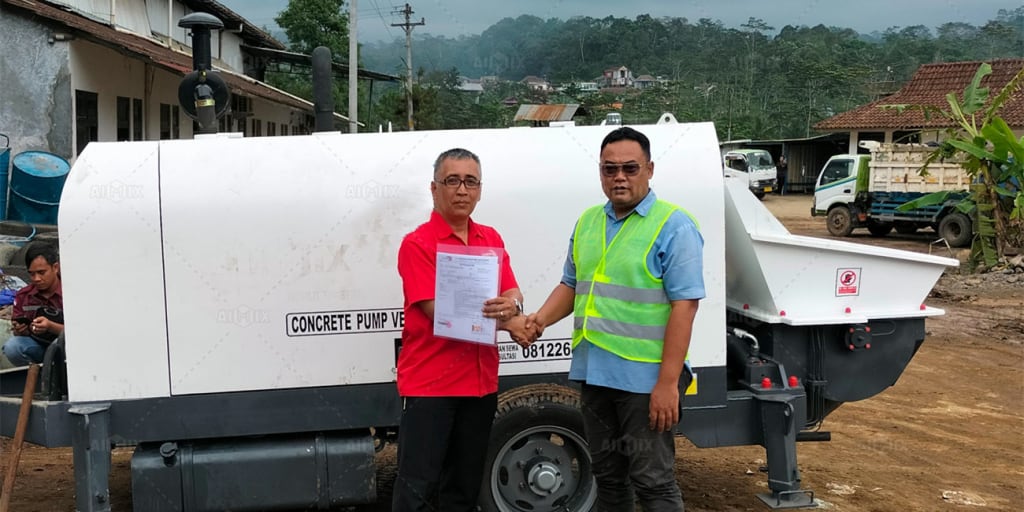
Trailer concrete pumps are essential tools for delivering concrete to hard-to-reach areas on construction sites. These machines are highly efficient, compact, and versatile, making them ideal for projects where space is limited or where a boom pump is impractical. In the USA, trailer concrete pumps are widely used in a variety of construction projects, including residential, commercial, and infrastructure work. However, using these pumps effectively requires a solid understanding of how they work, how to maintain them, and how to operate them safely and efficiently.
In this article, we’ll provide comprehensive tips for using a trailer concrete pump in the USA, covering everything from setup and operation to maintenance and troubleshooting. Whether you’re a first-time user or an experienced contractor, these tips will help ensure you get the most out of your trailer concrete pump.
Understand the Basics of a Trailer Concrete Pump
Before operating any construction equipment, it’s crucial to understand its basic functioning. A trailer concrete pump, often referred to as a "trailer-mounted pump," is designed to mix and pump concrete efficiently. These pumps are typically powered by a diesel engine or electric motor and are connected to a trailer, making them highly portable.
The primary purpose of a trailer concrete pump is to move concrete from the mixing plant or batching plant to the pour location. The concrete is fed into the pump’s hopper, and the pump pushes the concrete through hoses to the desired location. The pump is particularly useful when delivering concrete to high-rise buildings, bridge piers, foundations, or any other location that is difficult to access.
Some well-known manufacturers, such as ConcretePumpsUSA, offer trailer concrete pumps in various sizes and capacities. When selecting a pump, it’s essential to consider the size of the job, the required pumping distance, and the type of concrete to be used.
Prepare the Job Site
Before you even start setting up the trailer concrete pump, ensure that the job site is ready. Check the following:
Level Ground: Make sure the area where the pump will be set up is level and stable. This helps prevent tipping or equipment instability during operation.
Access to Power or Fuel: If you're using a diesel-powered pump, ensure that you have a safe and convenient place for refueling. For electric pumps, ensure there is a nearby power source or generator to avoid delays.
Concrete Placement Area: Ensure the area where the concrete is being poured is clear and has proper access. Concrete needs to flow smoothly, so there should be no obstacles in the way.
Hose Path: Plan the hose path carefully to avoid unnecessary bends or obstructions. Excessive bends can reduce the pumping efficiency and may even cause the hose to burst under pressure.
Proper preparation of the job site reduces the risk of delays and accidents and ensures a smooth operation.
Safety First
Operating a trailer concrete pump involves various safety considerations. Always follow the manufacturer's safety guidelines and keep these tips in mind:
Wear Protective Gear: Operators should wear appropriate personal protective equipment (PPE) such as gloves, safety boots, and helmets. Concrete is caustic and can cause skin irritation or burns, so it's important to protect yourself from exposure.
Check the Pump’s Condition: Before operating, conduct a thorough inspection of the trailer concrete pump. Check the hoses, valves, and any other essential parts for signs of wear or damage. Inspect the pump’s engine or motor to ensure it’s in good working order.
Position the Pump Properly: Always make sure that the pump is positioned securely on level ground. If the trailer is unlevel, the pump can become unstable, potentially leading to accidents. Ensure that the trailer wheels are chocked to prevent movement.
Avoid Overloading the Pump: Don’t exceed the rated capacity of the pump. Overloading can cause system failure, damage the pump, or lead to dangerous backpressure. If you're unsure of the pump’s capacity, consult the user manual or ask the manufacturer for advice.
Keep the Area Around the Pump Clear: Ensure that the area around the pump is free of bystanders or other workers who might get in the way of the hoses or moving parts.
Properly Set Up the Trailer Concrete Pump
The setup process is crucial to ensure smooth operation. Follow these steps to set up your trailer concrete pump effectively:
Connect the Pump to the Concrete Mix: Place the trailer concrete pump close to the source of the concrete (e.g., ready-mix truck or batch plant). Attach the pump’s hopper to the truck chute or mixing plant using a secure connection.
Ensure Proper Hose Connection: Attach the discharge hose to the pump’s outlet, making sure it’s securely fastened. Concrete will be under high pressure, so a loose hose connection can be dangerous.
Prime the Pump: Once everything is connected, fill the pump with a small amount of concrete to prime it. This helps eliminate air pockets and ensures that the pump operates smoothly when the full concrete mix is introduced.
Efficiently Operate the Trailer Concrete Pump
Operating a trailer concrete pump requires skill and experience. Here are some tips for efficient operation:
Start Slow: When starting the pump, begin at a slow pace. Gradually increase the pumping speed to avoid overloading the system. Sudden surges can cause blockages or strain the pump.
Monitor Pressure Levels: Always monitor the pressure gauge and make sure it stays within safe limits. High pressure can damage the pump, while low pressure can cause the concrete to flow unevenly.
Keep an Eye on the Hopper: The hopper should be kept full of concrete to prevent air from entering the system. If the hopper runs dry, it can cause the pump to malfunction or even overheat.
Watch for Clogs: Concrete can sometimes clog the pump or hoses, especially if the mix is too thick or if debris gets into the system. Always check for signs of a blockage and be prepared to clear the lines if necessary.
Pumping Distance: Be aware of the maximum pumping distance of your trailer concrete pump. If the distance is too long, it can result in decreased pressure and concrete delivery issues. Ensure that your pump is rated for the project’s requirements.
Clean and Maintain the Trailer Concrete Pump
Maintaining the trailer concrete pump after use is crucial to keep it in good working condition. Proper cleaning and maintenance can extend the pump’s life and prevent downtime due to equipment failure.
Flush the System: After each job, thoroughly flush the pump and hoses with water to remove any leftover concrete. If concrete is left to harden inside the pump or hoses, it can cause blockages or damage.
Inspect and Lubricate: Regularly inspect the pump’s moving parts and apply lubrication as needed. This helps maintain smooth operation and prevents excessive wear.
Check Hydraulic Fluid Levels: If the trailer concrete pump uses hydraulic systems, regularly check the fluid levels and replace them when necessary to keep the system running efficiently.
Schedule Regular Inspections: Have the pump inspected regularly by a professional to ensure that it’s operating safely and efficiently. Look for signs of wear and tear, and replace parts as needed.
Troubleshooting Common Issues
Despite proper maintenance and careful operation, issues can occasionally arise. Here are a few common problems with trailer concrete pumps and how to troubleshoot them:
Blockages: Concrete pumps can sometimes become clogged with hardened concrete, especially if the mix is too thick. In such cases, reverse the pump to loosen the blockage, or use a cleaning agent designed for concrete pumps.
Loss of Pressure: If the pump loses pressure, check for air leaks in the hoses or pump connections. Ensure that the concrete mix isn’t too thick, as this can reduce pumping efficiency.
Overheating: If the pump’s engine or motor overheats, it may be due to low fuel levels, lack of coolant, or improper engine performance. Turn off the pump, allow it to cool, and investigate the cause.
Using a trailer concrete pump in the USA requires both skill and knowledge to ensure safe, efficient, and effective operation. By following the tips provided in this article, you can avoid common issues and maximize the lifespan of your pump. From preparing the job site and setting up the equipment correctly to maintaining the pump and troubleshooting issues, each step is vital in ensuring that your concrete pumping job is successful. By following these guidelines and consulting reputable suppliers like ConcretePumpsUSA, you’ll be able to optimize your use of trailer concrete pumps and complete your projects with confidence.

About the Creator
consrtuctionmachines
AIMIX is a customer-center-oriented heavy equipment manufacturer and supplier, devoted to production, innovation, combination, one-stop solution, etc.
https://aimixgroup.com/
Keep reading
More stories from consrtuctionmachines and writers in 01 and other communities.
Using Concrete Self-Loading Mixers: The Key to Consistent Concrete Quality
In construction, achieving consistent concrete quality is crucial for the success of any project. Concrete self-loading mixers have become an essential tool. They ensure uniformity and reliability in concrete mixing. This blog explores how these innovative concrete self-loading mixers contribute to consistent concrete quality. It provides valuable insights for customers looking to improve their construction processes.
By consrtuctionmachinesabout a year ago in 01
Interoperability in Crypto: Why Cross-Chain Networks Are Defining the Next Market Cycle
The cryptocurrency market has evolved from single-chain competition to a complex multi-chain environment where interoperability is becoming a defining factor of long-term success. In earlier cycles, blockchains competed primarily on transaction speed, throughput, and token speculation.
By Muhammad Irfan Afzal5 days ago in 01
No Word Comes Near Enough
The English language has its limits. I learned this when I became a student of the Bible and looked up the Greek and Hebrew definitions behind the Scriptures I loved. Some languages have so much more depth and power than the one I use to convey my thoughts. But, even so, I don't think any word could ever come close to describing this void and pain I am journeying through. I don't know how to swim through its murky waters.
By Shirley Belk5 days ago in Poets




Comments
There are no comments for this story
Be the first to respond and start the conversation.