
Magnesium spray - a natural solution for muscle recovery and athletic performance?
Does these new "wonder" products actually work?

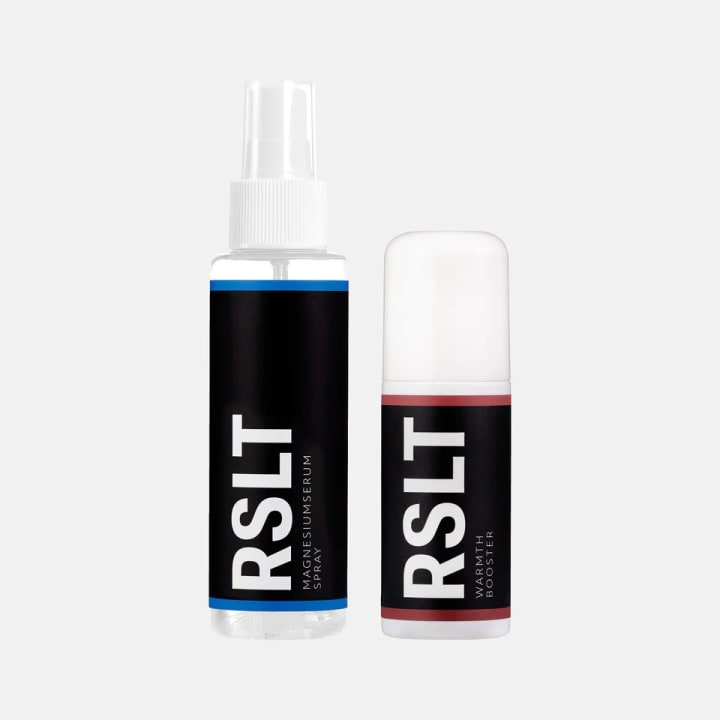
Magnesium spray has emerged as a trending new product for athletes seeking effective recovery methods after intense training sessions. This innovative topical application delivers magnesium directly to fatigued muscles, offering potentially quicker relief compared to traditional oral supplements. During strenuous workouts, muscles often become tight and painful, which can significantly impair performance and slow down training progress. Both magnesium spray and magnesium cream provide practical solutions by targeting specific problem areas through direct application. The transdermal absorption method allows the mineral to bypass the digestive system, making it an exceptionally efficient delivery method. Magnesium itself is vital for muscle function and recovery, participating in over 300 biochemical processes throughout the body. For serious athletes and fitness enthusiasts looking to maximize their training results, these magnesium-based topical products may provide the competitive edge they've been searching for. But does products like RSLT boost high performance spray and other similar products really work or is it just another hyper thing in the fitness world?
How magnesium spray works for muscle recovery
Magnesium spray operates through transdermal absorption, enabling this critical mineral to penetrate directly into muscle tissue where recovery happens. When applied topically, the magnesium ions from the spray absorb through pores, sweat glands and hair follicles, gradually entering the bloodstream and surrounding tissues. This delivery method proves especially valuable for athletes dealing with post-training muscle fatigue. The effectiveness of magnesium spray stems from the mineral's fundamental role in muscle physiology at the cellular level. Magnesium regulates calcium uptake within muscles, directly influencing contraction and relaxation cycles. Insufficient magnesium levels often result in muscles remaining partially contracted, causing stiffness, cramping, and extended recovery times.
Athletes pushing physical boundaries find magnesium spray offers targeted recovery support. While oral supplements must navigate through digestive processes with varying absorption rates, topical magnesium provides a more direct pathway. Many users experience noticeable effects within 20-30 minutes after application, making magnesium spray perfect for addressing specific muscle tightness or discomfort. The spray format enables precise application to particular problem areas like hamstrings, quads, or upper back – common trouble zones for serious training enthusiasts.
Scientific evidence indicates magnesium deficiency occurs frequently among active individuals, partly due to increased mineral loss through perspiration during intense workouts. Regular application of magnesium spray helps maintain optimal levels of this essential mineral, supporting not just muscle recovery but enhancing overall athletic performance. The practical convenience factor matters significantly – a compact bottle of magnesium spray tucked into a gym bag delivers immediate relief when needed most, whether applied pre-workout to prepare muscles or post-exercise to accelerate the recovery process and reduce delayed onset muscle soreness (DOMS).
Benefits of magnesium spray vs magnesium cream for athletes
Magnesium spray and magnesium cream both deliver powerful recovery benefits for athletes, though they differ in several important aspects that might influence which works best for specific training scenarios. Magnesium spray typically provides quicker absorption, making it perfect for immediate relief situations. The lightweight liquid formulation penetrates rapidly, delivering magnesium directly to fatigued muscles with minimal waiting time. This quick absorption makes magnesium spray especially valuable immediately after intense training when muscles remain warm and most receptive.
The primary advantages of magnesium spray for athletic performance include:
- Faster absorption rate than cream formulations
- Simpler application across large muscle groups
- Minimal residue on skin and workout clothing
- More accurate dosing potential
- Superior portability for gym bags and travel kits
Magnesium cream, while absorbing somewhat slower, brings its own unique benefits that many serious athletes appreciate. The thicker consistency creates a more hands-on application experience, naturally incorporating massage elements during use. This physical manipulation of muscle tissue, combined with magnesium delivery, enhances local blood flow and potentially improves recovery outcomes.
Athletes battling ongoing muscle tightness or recurring soreness often find the extended-release properties of magnesium cream particularly effective. The cream establishes a reservoir effect on the skin surface, allowing continued absorption over several hours. This sustained delivery proves especially beneficial during overnight recovery periods when the body naturally enters its most intensive repair phase. Many elite athletes incorporate both formats strategically—applying spray for immediate post-workout treatment and cream for overnight therapy on particularly troublesome areas.
Scientific studies examining transdermal magnesium products indicate both delivery methods effectively increase magnesium levels in muscle tissue, though results vary based on individual factors like skin thickness, hydration status, and existing magnesium levels. Some users report that magnesium spray creates a mild tingling sensation upon application—a reaction some find reassuring as evidence of active ingredients working, while others prefer the gentler feel of cream formulations. The choice between magnesium spray and magnesium cream often comes down to personal preference and specific recovery requirements, with dedicated athletes keeping both options readily available in their performance arsenal.
Best practices for using magnesium spray for muscle recovery
Maximizing the benefits of magnesium spray requires strategic application timing within your training schedule. For peak effectiveness, most elite athletes apply magnesium spray right after post-workout showers when skin pores remain open and receptive to absorption. This specific timing leverages the body's natural recovery window when muscles actively seek nutrients to initiate repair processes. Some performance-focused athletes also apply magnesium spray proactively before high-intensity training sessions, targeting areas historically prone to cramping or early fatigue as a preventative strategy.
Application technique significantly impacts magnesium spray effectiveness. Begin by thoroughly shaking the bottle to ensure proper mineral distribution throughout the solution. Position the spray roughly 4-6 inches from your skin and apply a light, even mist directly to the target muscle group. Instead of immediately wiping or rubbing, allow the solution to rest on your skin for 3-5 minutes before gently working it into the muscle tissue. This patience permits initial absorption to begin before manipulation. For severely sore or tight muscles, consider layering applications after the first coat has been absorbed.
The mild tingling sensation many users experience with magnesium spray indicates active transdermal absorption. This sensation typically decreases with consistent use as your body's magnesium levels stabilize. Athletes with sensitive skin who find this tingling uncomfortable can dilute the spray slightly with water or apply to slightly dampened skin to reduce intensity while maintaining benefits. Another approach involves starting with minimal application (2-3 sprays) and gradually increasing volume as skin adapts to the mineral concentration.
Regular, consistent use of magnesium spray delivers the most significant athletic performance benefits. While single applications provide temporary relief, the cumulative advantages become increasingly evident with sustained use over weeks. Numerous professional athletes incorporate magnesium spray into their daily recovery protocols, regardless of that day's training intensity, maintaining optimal magnesium levels in muscle tissue continuously. Enhanced results often occur when combining magnesium spray with complementary recovery methods such as targeted foam rolling, dynamic stretching, or contrast temperature therapy. The spray proves particularly effective when applied before stretching chronically tight muscles, as the magnesium facilitates muscle relaxation, potentially enabling greater range of motion and more productive flexibility work. Athletes training twice daily often keep magnesium spray in their gym bags for between-session recovery support.
Real athlete experiences with magnesium spray for performance
Elite athletes across numerous sports disciplines have integrated magnesium spray into their recovery systems, documenting significant improvements in muscle function and reduced downtime between high-intensity training sessions. Marathon runner Marcus Jensen attributes his breakthrough in managing persistent calf cramps to regular magnesium spray application. "I apply magnesium spray directly after long runs and again before sleeping," Jensen shares. "The improvement in my recovery time has been substantial—my legs recover faster overnight, allowing me to increase my weekly mileage without the typical soreness holding me back."
Professional cyclists have widely adopted magnesium spray as a critical element in their recovery arsenal. Elite cyclist Emma Lawson describes how magnesium spray helped her manage the notorious "heavy legs" sensation following punishing mountain stages. "During multi-day races, effective muscle recovery becomes absolutely critical," Lawson explains. "Since incorporating magnesium spray on my quadriceps and calves after each stage, I've experienced markedly reduced heaviness and stiffness the following morning." These firsthand accounts align perfectly with sports physiologists' observations regarding magnesium's crucial role in muscle recovery and sustained performance.
The strength training community reports equally impressive results from regular magnesium spray usage. Championship powerlifter Tomas Rivera incorporates magnesium spray strategically on heavy training days. "When consistently pushing muscles to failure, anything accelerating recovery translates to more productive subsequent training sessions," Rivera notes. He specifically targets his known problem areas—lower back and hamstrings—applying magnesium spray twice daily during his most intense training blocks. "While not magical, it's made a clear difference in how quickly I can return to maximum effort lifting without developing compensatory movement patterns."
Dedicated recreational athletes have likewise discovered the performance advantages of magnesium spray. Weekend warrior and amateur triathlete Sarah Kaminski began using magnesium spray after battling nighttime leg cramps that disrupted her sleep quality following training days. "Beyond eliminating the cramps, I noticed significantly reduced soreness the day after challenging workouts," Kaminski reports. "It's become non-negotiable in my routine—I keep bottles at home and in my training bag." This widespread adoption across varied athletic populations demonstrates how magnesium spray benefits extend beyond elite performance, offering recovery advantages to athletes at every level. The remarkable consistency in positive feedback spanning different sports disciplines highlights magnesium spray's versatility in addressing fundamental muscle recovery needs common across diverse training methodologies and intensity levels.
The proven value of magnesium spray for serious athletes
Magnesium spray has established itself as an essential recovery tool for athletes pursuing peak performance and faster recovery. The unique transdermal delivery mechanism offers significant advantages over traditional oral supplements, providing focused relief precisely where overworked muscles need support. By directly accessing muscle tissue without navigating the digestive system, magnesium spray delivers this crucial mineral efficiently to depleted areas, potentially shortening recovery windows and minimizing the performance impact of high-intensity training sessions. The substantial collection of athlete testimonials spanning numerous sports disciplines reinforces the tangible benefits many experience through consistent application.
Athletes weighing options between magnesium spray and magnesium cream should evaluate their specific recovery requirements and individual preferences. While sprays generally provide quicker absorption and greater convenience, creams deliver extended-release effects particularly beneficial for overnight recovery periods. Many dedicated athletes strategically use both formats throughout their training cycles for maximum benefit. The scientific understanding of transdermal magnesium continues developing, but the fundamental importance this mineral plays in proper muscle function remains well-established. For athletes regularly pushing physical boundaries, maintaining optimal magnesium levels can create meaningful improvements in both performance capacity and recovery efficiency. As training approaches become increasingly sophisticated, magnesium spray represents a practical, accessible solution addressing a core physiological requirement without complex protocols or substantial cost.
So in theory and based on the statements of other people who are using these products it seems like they DO have a possitive effect. But before recommending them I would like to see more test and real lab trials to back this up.
About the Creator
Keep reading
More stories from Sommersang and writers in Men and other communities.
Better restitution after sports
Better restitution forms the cornerstone of athletic performance and determines how effectively your body recovers from intense physical training. When muscles undergo stress during exercise, they need optimal conditions to repair, rebuild, and adapt to become stronger. The recovery process involves complex physiological mechanisms that can be significantly enhanced through strategic interventions.
By Sommersang9 months ago in Men
When Strength Becomes Silence
Subtopics: The Masculinity We Inherited Why Men Struggle to Express Emotions Financial Pressure and Identity Love, Ego, and Vulnerability When Strong Men Break Quietly Redefining Strength in Relationships Building Emotional Safety with Your Partner A New Model of Masculinity
By Benjamin Patrick4 days ago in Men
5 Subtle Signs of Strong Reproductive Vitality in Men
There’s an old saying that the body whispers before it shouts. We’re conditioned to measure health in loud, obvious metrics: the number on a scale, the definition of a bicep, the results of a blood test. But true vitality—the kind that fuels not just daily energy but our very biological potential—often manifests in quieter, more subtle ways.
By namkoong kevin7 days ago in Men




Comments