
How you can improve your gymnastic skills with an Airtrack
Like gymnastics? Here's a few tips on how to take it to the next level.
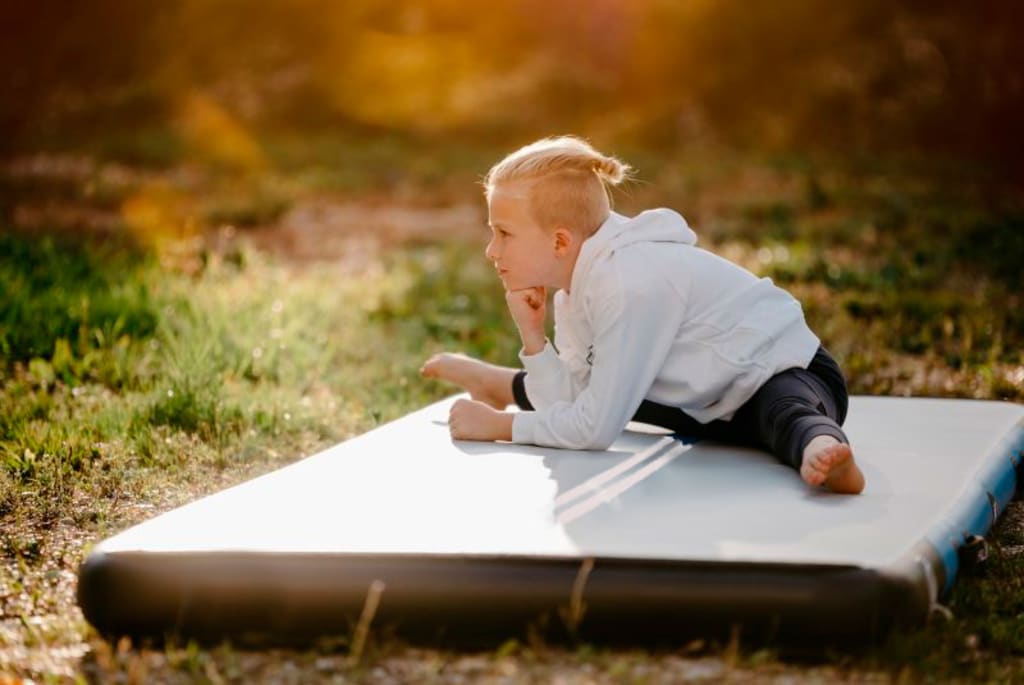
Learning gymnastics demands dedication, persistence, and proper equipment. The Airtrack mat stands out as one of the most versatile training tools available today - an inflatable tumbling surface that has transformed gymnastics practice methods. This specialized mat provides a bouncy yet stable platform that absorbs impact while delivering the perfect amount of spring for mastering flips, cartwheels, and various acrobatic movements. Unlike traditional mats, an Airtrack offers adjustable firmness to suit different skill levels and techniques. Companies like GymPlay have engineered premium Airtracks specifically to enhance gymnastics training both at home and in professional environments. Whether you're just starting your gymnastics journey or working to perfect advanced skills, adding an Airtrack to your practice routine can dramatically speed up your progress while minimizing injury risks.
The fundamentals of Airtrack training for gymnasts
The Airtrack mat has transformed gymnastics training across all skill levels. These inflatable surfaces blend the perfect balance of bounce and stability, making them outstanding for both newcomers and elite gymnasts. When first stepping onto an Airtrack, you'll immediately feel how differently it responds compared to conventional gymnastics floors. The air-filled design absorbs impact while providing sufficient rebound to help propel your body during tumbling passes and acrobatic elements. This key feature makes Airtracks exceptionally valuable for reducing joint strain while enabling gymnasts to build strength and develop crucial muscle memory.
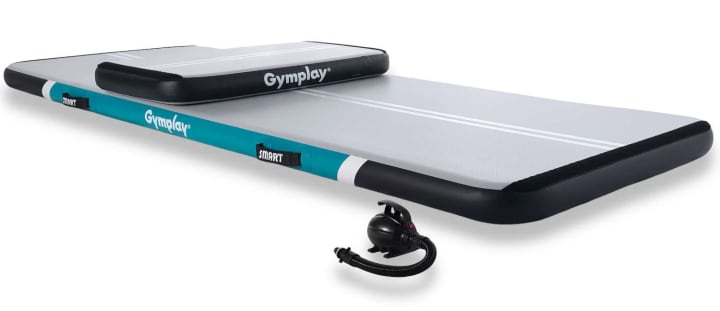
GymPlay Airtracks are available in multiple sizes and thicknesses, with each variant designed for specific training needs. For beginners, the forgiving surface builds confidence as they attempt their first cartwheels, handstands, and basic tumbling skills. The fear factor drops dramatically when practicing on an Airtrack compared to harder training surfaces. Seasoned gymnasts benefit from the consistent rebound that helps perfect timing for complex elements like back handsprings, aerials, and somersaults.
Proper Airtrack setup is essential for effective training sessions. The mat should be inflated according to your weight and skill level - firmer for advanced techniques and slightly softer for beginners learning fundamental movements. Always position your Airtrack in a space with adequate clearance on all sides to prevent accidents. Most gymnastics coaches suggest starting with basic progressions on the Airtrack before attempting more challenging skills. This structured approach builds proper technique fundamentals.
The versatility of Airtracks goes well beyond standard tumbling practice. They excel for gymnastics-specific strength training, balance work, flexibility routines, and even dance elements requiring soft landings. This multi-functionality makes an Airtrack particularly valuable for gymnasts training at home or in limited spaces where multiple equipment pieces won't fit. With consistent practice on an Airtrack, gymnasts typically experience faster skill progression and enhanced body awareness - two critical components for advancement in gymnastics.
Progressive skill development using your Airtrack
The magic of Airtrack training centers on its support for structured skill progression in gymnastics. Unlike rigid mats, an Airtrack enables gymnasts to work through skill development methodically. Newcomers typically start with fundamental body positions – straight jumps, tuck jumps, and pike jumps – to build spatial awareness and core control. The responsive surface provides immediate feedback, helping gymnasts understand how their movements affect takeoff and landing. This sensory input proves invaluable for establishing proper technique from day one.
As confidence builds on the Airtrack, gymnasts naturally advance to basic skills like forward rolls, backward rolls, and cartwheels. The mat's gentle give makes these movements less daunting while still demanding correct form. Gymnastics coaches frequently observe that students progress faster on Airtracks because they willingly attempt skills more often without fearing hard impacts. This increased repetition dramatically speeds up the learning process.
Intermediate gymnasts find the Airtrack perfect for connecting multiple skills. Transitioning from cartwheel to round-off or linking several handsprings requires rhythm and momentum that develops more naturally on the forgiving Airtrack surface. GymPlay Airtracks excel during this training phase, as their consistent rebound characteristics help gymnasts master the timing needed for smooth connections between elements. The adjustable air pressure means the mat can be customized as skills progress – firmer settings push gymnasts to generate more independent power while softer settings support learning new movement patterns.
Elite gymnasts rely on Airtracks for perfecting complex skills such as back tucks, layouts, and twisting elements. The reduced impact allows higher training volume without overstraining the body. This translates to more repetitions of challenging skills, resulting in enhanced muscle memory and consistent performance. Top gymnastics facilities often use multiple Airtracks of different dimensions to create specialized training zones. A lengthy Airtrack might serve for tumbling sequences, while a shorter, thicker mat might be positioned for dismount practice. This adaptability makes the Airtrack among the most effective training tools for gymnastics skill development across all levels. Through regular, structured Airtrack sessions, gymnasts typically master skills faster and with superior technique compared to conventional training methods alone.
Safety benefits and injury prevention with Airtrack training
The safety advantages of incorporating an Airtrack into gymnastics training are remarkable. Traditional gymnastics surfaces, while functional, typically present higher risks of impact-related injuries during skill development. The Airtrack transforms this dynamic by providing a surface that absorbs landing forces while maintaining necessary stability for proper technique. This balance becomes crucial when gymnasts attempt new skills or work through challenging progressions.
Key safety benefits of Airtrack training include:
- Reduced impact on joints and growth plates, especially vital for young gymnasts
- Lower risk of sprains and strains during landings
- Decreased likelihood of concussions from falls
- Less fear-based mental blocks when attempting new skills
- Ability to train longer without excessive joint fatigue
GymPlay has engineered their Airtracks with multiple layers of reinforced material that maintains consistent bounce patterns across the entire surface. This uniformity prevents unexpected responses that could disrupt a gymnast's landing or takeoff. The predictable nature of a quality Airtrack substantially reduces accident risks caused by irregular surface feedback.
For coaches and parents, the Airtrack serves as an essential tool for creating safer learning environments. The adjustable firmness allows customization based on the gymnast's size, skill level, and specific techniques being practiced. Younger or lighter gymnasts often benefit from slightly softer settings that provide more cushioning, while advanced athletes might prefer a firmer surface that mimics competition conditions while still offering impact protection.
Injury prevention extends beyond the physical properties of the Airtrack. The confidence gymnasts develop when training on Airtracks typically leads to better body control and awareness. This improved proprioception – understanding where your body exists in space – transfers to all gymnastics apparatus and helps prevent injuries across various disciplines. Numerous gymnastics programs have documented fewer training-related injuries after integrating Airtracks into their regular practice sessions.
The portable nature of Airtracks further enhances training safety. Unlike permanent installations, Airtracks can be positioned exactly where needed and surrounded with additional safety mats when gymnasts work on particularly challenging skills. This adaptability enables coaches to create optimal safety configurations for each training session. With proper supervision and progressive skill development, the Airtrack functions not just as a training tool but as a comprehensive safety system for gymnasts at every level.
Optimizing your Airtrack gymnastics training routine
Creating an effective gymnastics training routine with your Airtrack demands thoughtful planning and structure. The versatility of this equipment opens endless training possibilities, but maximizing results comes from strategic implementation. Begin by setting clear goals for each practice session – whether focusing on specific skills, strength development, or combining elements into sequences. This targeted approach prevents random practice and speeds up progress in gymnastics abilities.
Warm-up remains essential before any Airtrack session. Start with light cardiovascular activity to raise body temperature, then move to dynamic stretching that mirrors gymnastics movements. The Airtrack can be integrated into this warm-up phase with simple jumps and body positions that prepare muscles for more challenging skills. Most gymnasts discover that 5-10 minutes of progressive movement on the Airtrack creates ideal physical and mental readiness for skill work.
Your main practice session should follow skill progression principles. Begin with previously mastered skills to build confidence and reinforce proper technique. This might include basic tumbling elements like cartwheels or handstands for newcomers, or advanced movements like back handsprings for experienced gymnasts. GymPlay suggests dedicating specific time blocks to new skill development when energy levels and focus peak. The Airtrack's forgiving surface makes this the perfect time to attempt skills that might feel daunting on harder surfaces.
Circuit training on your Airtrack can significantly enhance conditioning while improving skill performance. Alternating between tumbling passes and strength exercises maximizes training efficiency. Try performing a tumbling sequence, immediately transitioning to strength elements like handstand holds or jump variations, then returning to tumbling. This method builds gymnastics-specific endurance while maintaining skill quality throughout longer routines. The Airtrack surface reduces joint stress during these high-intensity sessions, enabling more productive training volumes.
Recording your Airtrack training provides crucial feedback for improvement. Position a camera from different angles to analyze technique details that might go unnoticed during practice. Many gymnasts uncover subtle form issues that, once fixed, lead to breakthrough progress. This visual feedback, paired with physical feedback from the Airtrack surface, creates a powerful learning environment. When possible, review these recordings with coaches to identify specific areas for technique refinement.
Rest intervals between skill attempts matter just as much as active training. While the Airtrack allows higher training volume, proper recovery between attempts remains vital for skill acquisition and safety. For complex skills, restrict consecutive attempts to 3-5 repetitions before taking a short break. This prevents fatigue-related technique breakdown while allowing mental processing of movement patterns. Strategic rest within your Airtrack training routine produces higher quality practice and faster skill mastery in gymnastics.
Taking your gymnastics to new heights with an Airtrack
The Airtrack has transformed gymnastics training by delivering a versatile, safe, and effective practice surface for athletes across all skill levels. From newcomers taking their first steps into gymnastics to elite competitors refining complex techniques, the unique properties of an Airtrack create ideal learning conditions. The adjustable firmness, consistent rebound, and impact absorption work in harmony to speed up skill development while reducing injury risks.
GymPlay Airtracks distinguish themselves through superior durability and performance characteristics, making them a smart investment for dedicated gymnasts. The progression-based training approach that Airtracks support builds stronger technique foundations and boosts confidence when tackling new skills. Gymnasts who integrate regular Airtrack sessions into their training routines frequently break through stubborn plateaus that previously blocked their progress.
Beyond physical advantages, Airtrack training builds mental resilience and body awareness that enhances all aspects of gymnastics performance. The reduced fear factor lets gymnasts concentrate on technique rather than self-protection, yielding cleaner execution and faster skill mastery. Whether used in professional gymnastics facilities or home training spaces, an Airtrack delivers the perfect balance between challenge and support that gymnastics development requires. With structured practice and proper technique, your Airtrack can become the foundation of a successful gymnastics journey.
About the Creator
Keep reading
More stories from Sommersang and writers in 01 and other communities.
My mixed feelings after hiring a professional SEO company
After running my online business for three years, I finally decided to hire a professional SEO company to boost my website's visibility. The search engine optimization industry had promised dramatic improvements in rankings and traffic, but my journey with this SEO agency delivered both impressive results and frustrating setbacks. Their team of SEO specialists initially impressed me with their technical knowledge and strategic approach to keyword research and NLP analysis. However, as our collaboration progressed, I encountered several challenges that made me question whether outsourcing SEO services was worth the investment. From communication gaps to questionable search optimization tactics and hidden costs, working with this SEO consultant team taught me valuable lessons about digital marketing realities. My experience revealed both the potential benefits and unexpected drawbacks of partnering with search engine optimization professionals.
By Sommersang10 months ago in 01
Shadow Fist: An Underground MMA Drama About Survival and Redemption
Set against the gritty backdrop of Mexico City’s underground fighting scene, the film tells the story of Maya Cross, a woman forced to rebuild her life in the most unexpected way — inside an illegal mixed martial arts ring.
By Andreas Szakacs2 days ago in 01
The First Rainbow Baby
Pitter-patter, pitter-patter. The rain fell in rhythmic splatters, slowly slowing, but still constant. Mira rolled onto her side pulling the blanket tight against her ears, but still she could hear chitter-chatter and scurrying feet of the creatures that refused to sleep in the lower decks.
By A. J. Schoenfeld2 days ago in Fiction


Comments