
Latest Trends in Machine Learning in Healthcare
Transforming Patient Care: Latest Trends and Future of Machine Learning in Healthcare
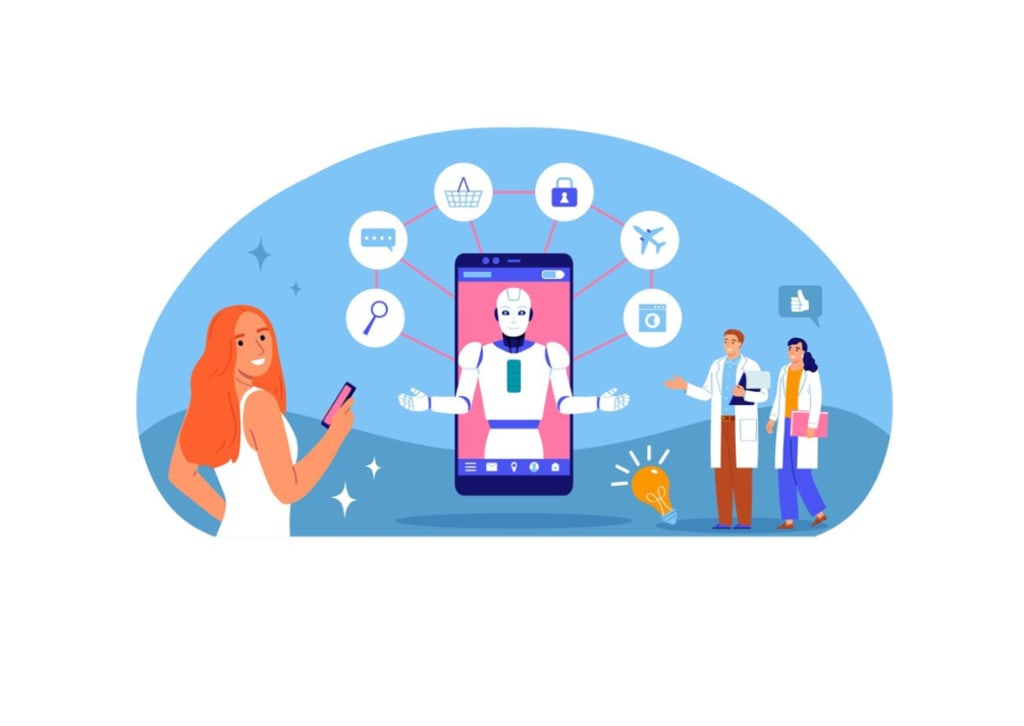
Healthcare is at the forefront of a technological revolution, with Machine Learning (ML) leading the charge. This transformative technology is reshaping patient care, improving diagnostic accuracy, and optimizing operational efficiency. In this article, we explore what ML is, why it’s essential in healthcare, the latest trends, applications, benefits, challenges, and what the future holds for ML in healthcare.
What is Machine Learning?
Machine Learning (ML) is a subset of Artificial Intelligence (AI) that enables systems to learn from data and improve over time without being explicitly programmed. By analyzing vast datasets, ML identifies patterns, predicts outcomes, and makes data-driven decisions.
ML is particularly suited to healthcare because of its ability to process complex, high-volume data such as medical records, genetic information, and real-time health monitoring data from devices.
Why is Machine Learning Important in Healthcare?
The healthcare industry is data-rich but insight-poor. Patient care generates enormous amounts of data, much of which remains underutilized. ML bridges this gap by extracting actionable insights from unstructured and structured data. Its importance lies in:
- Improving Patient Outcomes: Early diagnosis and personalized treatment plans lead to better outcomes.
- Operational Efficiency: Automating administrative tasks saves time and reduces costs.
- Scalability: ML solutions can process vast amounts of data at scale, which is crucial in global health crises.
Latest Trends in Machine Learning in Healthcare
- Real-Time Health Monitoring with Wearables: Wearable devices integrated with ML algorithms can analyze real-time health data, predicting potential issues like arrhythmias or blood sugar spikes.
- Federated Learning: To address data privacy concerns, federated learning allows ML models to train across decentralized datasets without sharing sensitive patient data.
- Explainable AI (XAI): XAI techniques are gaining traction to make ML models more transparent and interpretable, fostering trust among clinicians and patients.
- AI-Powered Drug Discovery: ML accelerates drug discovery by identifying promising compounds and predicting their efficacy, reducing time and costs in drug development.
- NLP in Medical Documentation: Natural Language Processing (NLP) is transforming unstructured medical notes into actionable data, improving clinical decision-making.
- Predictive Analytics for Disease Management: ML is being used to predict disease outbreaks, identify at-risk patients, and recommend early interventions.
- 3D Imaging and Precision Diagnostics: ML models are enhancing the accuracy of 3D imaging, enabling early detection of conditions like cancer and cardiovascular diseases.
Applications of Machine Learning in Healthcare
- Diagnostics: ML improves diagnostic accuracy by analyzing medical images, lab results, and patient histories to detect diseases earlier and more reliably.
- Personalized Medicine: By analyzing genetic, environmental, and lifestyle data, ML enables tailored treatment plans for individual patients.
- Hospital Operations: ML optimizes resource allocation, predicts patient admissions, and reduces wait times in emergency departments.
- Remote Patient Monitoring: ML-driven devices monitor patients with chronic conditions, alerting caregivers to potential issues in real time.
- Population Health Management: ML identifies health trends in populations, guiding public health interventions and resource distribution.
Technology Driving Machine Learning in Healthcare
- Deep Learning (DL): A subset of ML that uses neural networks to analyze data with high accuracy, particularly in imaging and diagnostics.
- Natural Language Processing (NLP): Converts unstructured text data from medical records into structured formats for analysis.
- Cloud Computing: Enables scalable ML model training and deployment without requiring on-premises infrastructure.
- IoT and Wearables: Devices generate real-time health data that ML models analyze for early intervention.
Benefits and Advantages of Machine Learning in Healthcare
- Enhanced Patient Care: Early detection and personalized treatment improve outcomes.
- Operational Efficiency: Automating repetitive tasks reduces administrative burdens.
- Cost Savings: ML optimizes resource use and minimizes unnecessary treatments.
- Scalability: Handles large datasets, making it ideal for widespread healthcare systems.
Challenges in Implementing Machine Learning in Healthcare
1. Data Privacy and Security: Sensitive patient data is at risk of breaches.
- Solution: Use encryption, anonymization, and secure federated learning methods.
2. Algorithm Bias: ML models trained on non-diverse datasets may lead to biased outcomes.
- Solution: Ensure diverse, representative training data and regularly audit models.
3. Integration with Clinical Workflows: ML tools may disrupt existing workflows.
- Solution: Collaborate with healthcare professionals to design user-friendly tools.
4. Interpretability: Black-box models can be difficult for clinicians to trust.
- Solution: Use Explainable AI to make decisions transparent and understandable.
How the Healthcare Industry Can Benefit from Machine Learning
The healthcare industry can leverage ML to:
- Improve patient outcomes through real-time monitoring and early interventions.
- Enhance operational efficiency by automating administrative tasks.
- Optimize clinical decision-making with predictive analytics and diagnostic tools.
- Support public health initiatives by identifying trends and managing resources.
What to Look for in 2025
- More Accurate Predictive Models: ML models will integrate data from wearables, genetic testing, and imaging for precise predictions.
- Improved Ethical Standards: Stricter guidelines will ensure responsible AI use in healthcare.
- Wider Adoption of Federated Learning: This will allow collaboration across institutions while safeguarding data privacy.
- AI-Powered Personalized Healthcare: Advanced algorithms will provide even more tailored treatment strategies.
The Future of Machine Learning in Healthcare
The future of machine learning in healthcare is bright, with advancements poised to revolutionize every aspect of patient care. As technologies like IoT, 5G, and genomics converge with ML, we can expect a more connected, personalized, and efficient healthcare ecosystem.
Conclusion
Machine Learning in healthcare is not just a technological innovation; it’s a paradigm shift that holds the potential to save lives, reduce costs, and make healthcare more accessible. While challenges exist, the ongoing evolution of ML technologies and ethical considerations promise a future where medicine is more precise, efficient, and patient-focused. The healthcare industry must embrace these advancements to unlock the full potential of ML and transform the way care is delivered.
About the Creator
Keep reading
More stories from Stephan Hawke and writers in 01 and other communities.
Patient Engagement Software: Transforming Healthcare in 2025 and Beyond
Introduction: A Digital Revolution in Healthcare The healthcare industry is undergoing a seismic shift. With increasing patient expectations, rising operational costs, and the growing demand for personalized care, healthcare providers are turning to innovative solutions. At the heart of this transformation is Patient Engagement Software (PES)—a powerful tool that bridges the gap between patients and providers.
By Stephan Hawkeabout a year ago in 01
Migrate from G Suite to Office 365 While Preserving Metadata & Permissions
With the growing business size, the storage and resource requirements also start to evolve. Several aspiring businesses migrate from Google Workspace to Office 365 to access advanced collaboration and communication tools. Google Workspace and Office 365, both are feature-rich SaaS platforms, designed to boost the efficiency of business operations. However, they are still quite different from each other and can experience challenges during the shift.
By Xanthe Clay3 days ago in 01

Comments
There are no comments for this story
Be the first to respond and start the conversation.