
Patient Engagement Software: Transforming Healthcare in 2025 and Beyond
How Technology is Redefining Patient Care and Empowering Providers in the Healthcare Industry

Introduction: A Digital Revolution in Healthcare
The healthcare industry is undergoing a seismic shift. With increasing patient expectations, rising operational costs, and the growing demand for personalized care, healthcare providers are turning to innovative solutions. At the heart of this transformation is Patient Engagement Software (PES)—a powerful tool that bridges the gap between patients and providers.
In this article, we’ll explore what patient engagement software is, its current trends, benefits, challenges, and its transformative impact on the healthcare industry. We’ll also delve into its future potential, particularly as we approach 2025, when it’s expected to revolutionize patient care further.
What is Patient Engagement Software?
Patient Engagement Software (PES) is a suite of digital tools designed to enhance communication and collaboration between patients and healthcare providers. It empowers patients to take an active role in their healthcare journey while helping providers streamline administrative tasks and improve care delivery.
Key Features of PES
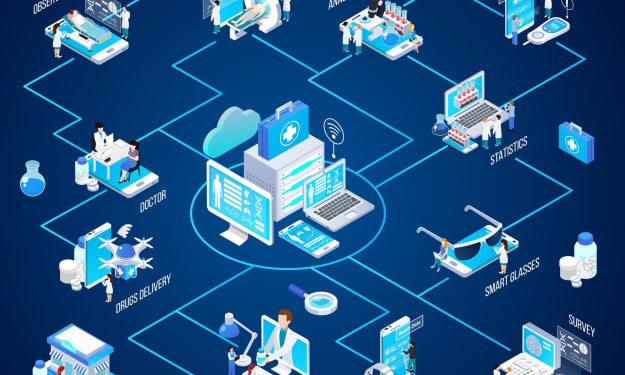
- Secure Patient Portals: Provide patients with access to their health records, appointment scheduling, and personalized health education.
- Telehealth Integration: Facilitates virtual consultations and remote monitoring.
- Appointment Management: Automates scheduling, reminders, and follow-ups.
- Digital Payments: Simplifies billing and offers multiple payment channels.
- Educational Content: Provides personalized information and guidance to help patients make informed decisions.
Current Trends in Patient Engagement Software
The adoption of patient engagement software has accelerated in recent years, driven by advancements in technology and changing patient expectations. Here are some current trends shaping the field:
- AI-Powered Personalization : Artificial Intelligence (AI) is enabling highly personalized patient experiences. From tailored health recommendations to predictive analytics, AI is transforming how care is delivered.
- Telehealth Integration : The COVID-19 pandemic accelerated the adoption of telehealth. PES now includes seamless telehealth functionality, ensuring patients can access care from anywhere.
- Wearable and IoT Integration : Devices like fitness trackers and smart medical tools are increasingly integrated with PES, providing real-time health data to providers and patients alike.
- Mobile-First Development : With most users accessing healthcare platforms via smartphones, PES is prioritizing mobile-friendly designs to enhance accessibility.
- Data Security Enhancements : As cybersecurity threats rise, PES providers are leveraging blockchain and advanced encryption to ensure patient data remains secure and compliant with regulations like HIPAA.
Benefits of Patient Engagement Software
1. For Patients
- Convenience: Patients can book appointments, access health records, and consult doctors from their homes.
- Empowerment: Access to personalized health information encourages proactive healthcare management.
- Improved Outcomes: Engaged patients are more likely to adhere to treatment plans and attend follow-ups.
2. For Providers
- Efficiency: Automation reduces administrative tasks, allowing providers to focus on patient care.
- Better Decision Making: Integration with EHR systems provides actionable insights.
- Cost Savings: Streamlined workflows reduce operational costs.
3. For the Healthcare System
- Equitable Access: Telehealth ensures that even rural and underserved areas receive quality care.
- Reduced Readmissions: Better patient engagement reduces the risk of hospital readmissions.
Challenges in Implementing Patient Engagement Software
Despite its advantages, implementing PES comes with challenges:
- Data Security and Privacy : The sensitive nature of healthcare data makes it a prime target for cyberattacks. Ensuring robust encryption and compliance with regulations like GDPR and HIPAA is critical.
- Digital Divide : Not all patients have access to the internet or smartphones, particularly in rural areas. Healthcare providers must address this disparity to ensure inclusivity.
- Resistance to Change : Both patients and providers may resist adopting new technologies due to unfamiliarity or perceived complexity.
- Interoperability Issues : Integrating PES with existing healthcare systems like EHRs can be technically challenging, requiring adherence to standards like HL7 or FHIR.
How Patient Engagement Software is Transforming Healthcare
- Bridging Communication Gaps : PES enhances communication between patients and providers through secure messaging, real-time updates, and personalized notifications.
- Enabling Preventive Care : By providing educational resources and health alerts, PES encourages patients to adopt preventive care measures, reducing the burden on healthcare facilities.
- Streamlining Operations : Automation of administrative workflows like appointment scheduling, billing, and patient onboarding improves operational efficiency.
- Empowering Patients : Access to health records, educational tools, and telehealth services enables patients to take control of their healthcare journey.
Why Healthcare Providers Should Invest in PES
For healthcare providers, PES is no longer optional—it’s a necessity. Here’s why:
- Stay Competitive: In a rapidly evolving industry, PES helps providers meet modern patient expectations.
- Enhance Patient Outcomes: Engaged patients are healthier, reducing the burden on healthcare systems.
- Streamline Operations: Automation reduces costs and improves efficiency.
- Future-Proof Practices: Investing in PES ensures providers are prepared for future healthcare trends and challenges.
The Future of Patient Engagement Software
The future of PES looks promising, with its market projected to reach $19.3 billion by 2025. Here’s what we can expect:
- Advanced AI Integration : AI will continue to drive personalization, offering tailored treatment plans and predictive insights based on patient data.
- Virtual Reality (VR) in Telehealth : VR will enable immersive consultations, enhancing remote care for conditions like mental health and physical therapy.
- Greater Interoperability : Enhanced integration with EHRs and other healthcare IT systems will provide a seamless patient experience.
- Focus on Preventive Care : PES will play a central role in shifting healthcare from reactive treatment to proactive prevention.
5. Accessibility Improvements: Efforts to bridge the digital divide will make PES accessible to a broader population, ensuring equitable healthcare delivery.
What Does 2025 Look Like for PES?
By 2025, PES will be an integral part of the U.S. healthcare landscape. Patients will enjoy seamless access to care, providers will benefit from streamlined operations, and the industry will see improved outcomes and cost savings. With advancements in AI, IoT, and VR, PES will continue to redefine what’s possible in healthcare.
Conclusion: A Catalyst for Change
Patient engagement software is transforming healthcare, making it more efficient, accessible, and patient-centered. As the industry evolves, PES will play an increasingly critical role in improving care delivery and outcomes.
For healthcare providers, investing in PES is not just about adopting new technology—it’s about leading the future of healthcare. The question isn’t whether to adopt PES but how quickly it can be implemented to unlock its full potential.
Are you ready to embrace the change?
About the Creator
Keep reading
More stories from Stephan Hawke and writers in 01 and other communities.
Cloud Computing in Healthcare: A Comprehensive Guide
The healthcare industry has traditionally been cautious about adopting cloud computing, mainly due to concerns about data security, compliance, and cost. Historically, healthcare providers have preferred to host sensitive patient data on on-site servers, maintaining full control over storage, maintenance, and security. However, the Covid-19 pandemic reshaped this perspective, exposing the limitations of traditional IT infrastructure and highlighting the potential of cloud computing to enhance patient care and operational efficiency.
By Stephan Hawkeabout a year ago in 01
These Billionaires Bet Big On GreenLand—After Trump Took Interest
Topline Just months after President Donald Trump first expressed interest in the United States possibly gaining control over Greenland, some of the richest people in the world—including Jeff Bezos, Bill Gates and Michael Bloomberg—began making strategic investments in the mineral-rich island.
By Dena Falken Esq4 days ago in 01



Comments
There are no comments for this story
Be the first to respond and start the conversation.