
Latest iPhone Rumors Explained: iPhone 18 Pro and Pro Max Leaks Breakdown
Latest iPhone Rumors Reveal Apple’s Real Priorities for the Next iPhone

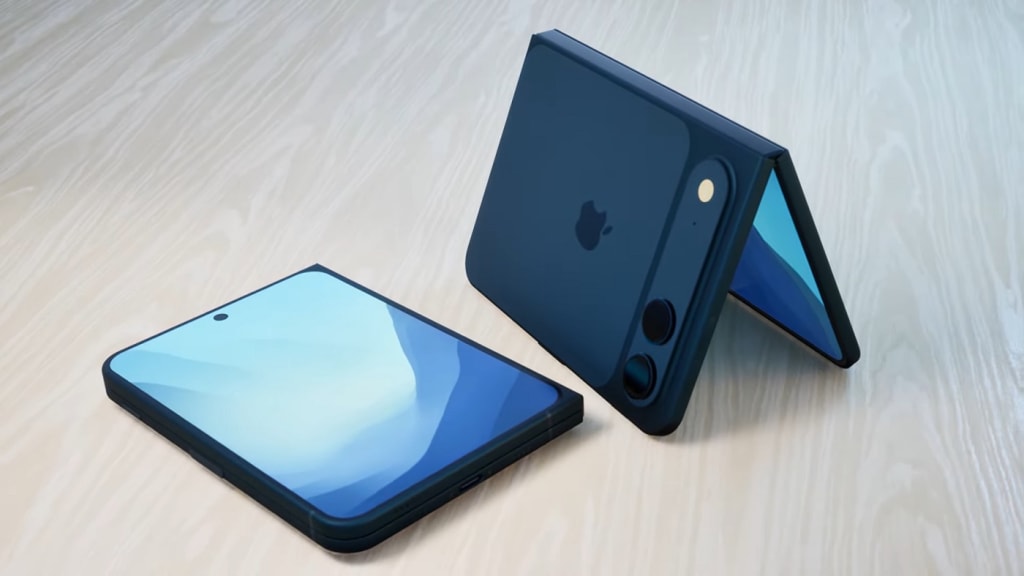
A lot of recent iPhone chatter has drifted away from what most people actually buy: the Pro Max. Instead, we’ve been buried in talk about the next-gen iPhone Air or the long-rumored folding iPhone. And look, those devices are interesting… but let’s be honest. Most people either won’t buy them, or won’t stick with them long term.
So today, we’re putting all of that aside and refocusing on the iPhone 18 Pro and Pro Max.
Now, full transparency right up front: these leaks aren’t revolutionary. There’s nothing here that’s going to completely flip the iPhone experience on its head. But they are worth talking about, because they hint at where Apple is slowly heading with its most popular flagship lineup.
Let’s get into it.
Clearing Up the Dynamic Island Confusion
As usual, this iPhone cycle has already been flooded with misinformation. A lot of it came from supply-chain leaks that were either mistranslated or wildly misunderstood.
One of the biggest rumors claimed Apple was moving the front-facing camera, Dynamic Island, and basically everything else over to the left corner of the display. Naturally, that sent people into a spiral. Some even said it would make the iPhone look like a budget Android phone, which… sure.
And honestly, a lot of people believed it. Probably because Apple has changed things in the past just for the sake of differentiation. So when the rumor surfaced, the reaction was basically, “Yeah, that sounds like something Apple would do.”
But that’s not what’s happening.
What’s Actually Changing on the Front Display
After better translations and clarifications came out, the picture became much clearer. Apple is not moving the camera or the Dynamic Island itself.
Instead, Apple is reportedly shifting some Face ID components under the display, specifically moving certain sensors toward the left side of the screen. The physical camera cutout stays exactly where it is.
What does that mean visually?
- A slightly slimmer Dynamic Island
- Still oval-shaped, not a perfect circle
- Still capable of expanding when multitasking or running live activities
In other words, the Dynamic Island isn’t going away. It’s just going on a mild diet.
That slimmer look will likely be the main visual cue separating the iPhone 18 Pro from the 16 Pro and 17 Pro when viewed from the front.
Why Move Face ID Sensors to the Left?
Apple hasn’t officially said why, so this is speculation—but it’s educated speculation.
The camera bump on the back of the iPhone continues to grow every year. More sensors, bigger modules, more space required. Apple clearly isn’t planning to shrink that bump anytime soon.
So as Apple manages to hide more sensors under the display on the front, shifting components around likely makes internal packaging easier. Moving some Face ID hardware to the left could help balance things internally as the rear camera system continues to expand.
Could there be other reasons? Absolutely. But this explanation lines up with Apple’s long-term design trajectory.
The Big Camera Upgrade: Variable Aperture
Now let’s talk about the most interesting leak so far.
Apple is reportedly adding a variable aperture to the main camera sensor on the iPhone 18 Pro and Pro Max. Not the telephoto. Not the ultra-wide. The primary lens right in the center.
And thankfully, this isn’t limited to the Pro Max. Both Pro sizes are expected to get it.
Unlike software tricks, this would involve physically moving aperture blades, allowing the camera to adapt to different shooting scenarios.
Why Variable Aperture Actually Matters
There are two big advantages here:
Better Low-Light Performance
Opening the aperture wider allows more light in, which is crucial for night photography.
Improved Depth of Field Control
This is the part that doesn’t get talked about enough.
Right now, the iPhone’s main camera struggles when you get very close to subjects. The wide aperture creates a super narrow depth of focus, which means parts of your shot quickly fall out of focus.
Yes, there’s macro mode—but that relies on the ultra-wide sensor, which still isn’t as sharp as the main camera, even at 48MP.
A variable aperture could let Apple:
- Close the aperture in bright conditions for better close-up focus
- Open it in low light for improved exposure
- Reduce the need to switch to the ultra-wide camera unnecessarily
That’s a genuinely useful upgrade.
Let’s Be Honest: Android Did This First
Before anyone gets too excited, it’s worth saying this out loud.
Variable aperture is not new.
Android phones did this years ago. The Galaxy S9 is the most famous example. But if we’re being fair, it wasn’t implemented particularly well. The real-world difference was minimal, and Samsung eventually dropped the feature altogether.
So yes—Android fans can say Apple is late.
But Apple fans can also argue that Apple tends to wait until it can make features actually useful. If these reports are accurate, Apple may finally implement variable aperture in a way that delivers real benefits.
And honestly? I wouldn’t be shocked if Samsung and Google are already figuring out how to bring it back.
Design, Materials, and Thickness Rumors
Beyond the display and camera changes, there really isn’t much else rumored for the iPhone 18 Pro lineup.
Apple is expected to stick with the aluminum and glass hybrid enclosure introduced with the iPhone 17 Pro. That design has been selling extremely well, and users seem happy with:
- Improved thermals
- Vapor chamber cooling
- Better sustained performance
- Strong battery life
There is a small rumor that the iPhone 18 Pros could get even thicker than the already chunky 17 Pros, likely to support larger batteries or enhanced cooling.
Colors, Durability, and Weight
As always, Apple will likely refresh the color lineup. One hopeful possibility? A return of Product Red, which would look incredible with the current aluminum finish.
That said, there have been complaints about the iPhone 17 Pro aluminum being too easy to scuff. Apple may switch to a tougher aluminum alloy for the 18 Pro—even if it adds a bit of weight.
Realistically, most people wouldn’t mind. The 17 Pros were already lighter than the titanium-based 16 Pros they replaced.
What’s Not Coming (At Least for Now)
Don’t expect anything wild this year:
- No fourth rear camera
- No Touch ID under the display
- No Thunderbolt expansion
- No Apple Deck support
Internally, we’ll almost certainly see the A20 Pro chip, improved performance, and incremental connectivity upgrades—but nothing headline-stealing.
Ironically, Touch ID is rumored to return… just not here. It’s expected to show up on the folding iPhone, built into the power button.
Final Thoughts on the iPhone 18 Pro Series
At the end of the day, the iPhone 18 Pro and Pro Max are shaping up to be classic Apple upgrades: subtle, refined, and very focused on camera improvements.
Nothing revolutionary—but meaningful changes for people who actually use their phones every day.
About the Creator
Keep reading
More stories from Info Post Gate and writers in 01 and other communities.
iPhone 18 Series Is Only Months Away: And the Leaks Are Surprisingly Good
The iPhone 18 lineup is officially just about six months out, and somehow, Apple leaks just took a turn no one was really expecting — in the best way possible. If you’re even thinking about upgrading this year, there are some major updates you’ll want to know about.
By Info Post Gateabout 9 hours ago in 01
How Should You Plan an ICO Token Sale Marketing Campaign in 2026?
Initial Coin Offerings (ICOs) have evolved significantly since their inception. By 2026, the market demands far more than speculative hype and superficial awareness. Investors are highly discerning, regulatory scrutiny has increased, and projects must demonstrate real utility, transparency, and sustainability. A token sale marketing campaign, therefore, must be meticulously planned to achieve long-term growth and trust in the ecosystem.
By Jack santo8 days ago in 01
Writing About Writing: The Rainbow Trap
The good thing about living in modern times is that LGBTQ representation in media is increasing. Not just in niche and Independant media, either, but also in mainstream media. Books, movies, TV shows, comics... they're finally catching on that LGBTQ+ people form a significant part of their audience, and deserve to see themselves on screen and in fiction, not just as victims in documentaries and true crime shows.
By Natasja Rosea day ago in Writers




Comments
There are no comments for this story
Be the first to respond and start the conversation.