
Innovation and Play: Navigating the Global Toys Market
Digitalization, Sustainability, and the Future of Play

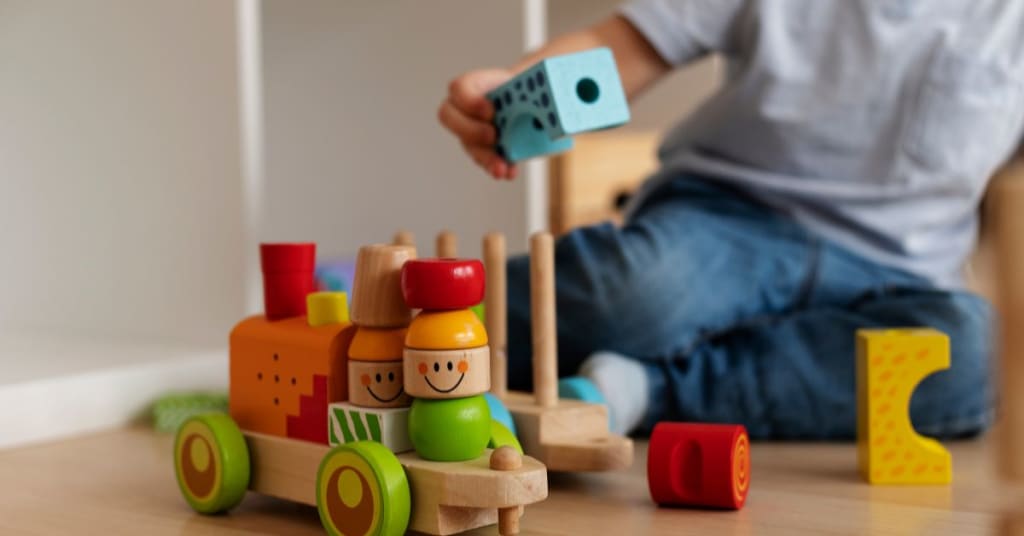
The modern Toys Market is currently undergoing a radical transformation, fueled by the intersection of digital technology, sustainable manufacturing, and shifting parental priorities. As families worldwide seek tools that balance entertainment with cognitive development, the industry has expanded far beyond simple plastic figurines to include complex robotics, eco-friendly building sets, and high-tech educational systems. This evolution reflects a broader cultural shift where play is recognized not just as a pastime, but as a critical pillar of childhood development and a multi-billion dollar engine of the global retail economy.
I. The Post-Pandemic Landscape of Play
The global plaything industry experienced a unique trajectory over the last few years. While many sectors struggled, the demand for indoor entertainment skyrocketed. This period cemented the importance of "stay-at-home" play, leading to a massive resurgence in traditional board games, complex puzzles, and long-form construction projects.
Even as the world reopened, these habits persisted. Parents discovered that screen-free time was essential for mental well-being, leading to a sustained boom in the "analog play" segment. Retailers have responded by diversifying their inventories to include high-quality wooden sets and interactive kits that encourage physical movement and tactile exploration, ensuring that the momentum gained during the lockdown years was not lost but rather integrated into a new standard of domestic leisure.
II. The Rise of the "Kidult" Consumer
One of the most significant shifts in the youth product economy is the emergence of the adult collector, often referred to as the "kidult." This demographic—adults who purchase items for themselves—now accounts for a substantial percentage of total industry revenue.
Nostalgia as a Sales Driver
For many Millennials and Gen Xers, buying action figures, specialized building blocks, or vintage-style dolls is a way to reconnect with their childhood. Manufacturers have capitalized on this by releasing "Heritage Collections" and complex models designed specifically for older hands and higher budgets. These items often feature intricate details and premium packaging, transforming them from simple playthings into high-value investment pieces and home decor.
The Collector’s Economy
The secondary value of limited-edition releases has created a thriving ecosystem of resellers and enthusiasts. This has forced major brands to adopt "drop-style" marketing tactics similar to the fashion industry, where scarcity and exclusivity drive demand. As a result, the boundary between a child's hobby and a serious financial asset has become increasingly blurred.
III. STEAM and Educational Integration
As the global job market shifts toward technical proficiency, the educational entertainment sector has become a primary focus for manufacturers. Science, Technology, Engineering, Arts, and Mathematics (STEAM) are no longer just school subjects; they are the foundation of a massive category of logic-based products.
Coding and Robotics
Even for children as young as four, there are now kits that teach the fundamentals of sequencing and logic without the need for a screen. For older children, modular robotics and DIY computer kits allow for hands-on learning that mirrors real-world engineering challenges. This shift ensures that the time spent playing is also time spent preparing for a future in a tech-centric world.
The "Arts" in STEAM
The inclusion of the "A" for Arts has opened the door for creative kits that combine traditional crafting with modern tech—such as 3D pens or light-up circuitry embroidery. This holistic approach to learning through play ensures that both creative and analytical sides of the brain are engaged, making these products a favorite among educators and homeschooling parents alike.
IV. The Green Revolution: Sustainability in Manufacturing
Perhaps the most urgent trend in the global manufacturing of children's goods is the move toward environmental responsibility. For decades, the industry was heavily reliant on single-use plastics and non-recyclable packaging. Today, the tide is turning.
Bio-Plastics and Recycled Materials: Leading brands are investing heavily in research to create plant-based plastics derived from sugarcane or cornstarch. Additionally, ocean-bound plastic is being reclaimed and transformed into durable beach sets and vehicles.
Circular Economy Initiatives: Some companies have launched "take-back" programs, where old sets can be returned to be refurbished or recycled into new components. This reduces the carbon footprint of the product lifecycle and builds brand loyalty among environmentally conscious families.
Plastic-Free Packaging: The industry is rapidly moving toward 100% paper-based or compostable packaging. The removal of plastic "windows" and ties from boxes is now a standard goal for major retailers, significantly reducing the waste generated by the unboxing experience.
V. Digital Integration and the Phygital Realm
We are currently witnessing the rise of "phygital" play—the seamless blending of physical objects with digital experiences. This is not about replacing physical toys with apps, but rather using technology to enhance the physical experience.
Augmented Reality (AR)
AR-enabled sets allow children to see their physical creations come to life through a smartphone or tablet. A simple block castle can become the backdrop for a digital dragon battle, or a coloring book can turn into a 3D animated story. This layer of interactivity keeps children engaged for longer periods and adds a narrative depth to traditional play.
The Metaverse and Virtual Worlds
Many brands are now creating virtual hubs where children can interact with digital versions of their favorite characters. These platforms often allow for "cross-play," where a physical purchase unlocks a special skin or ability in a digital game. While this presents new challenges regarding data privacy and online safety, it also offers a new frontier for brand storytelling and social interaction.
VI. Global Supply Chain Challenges and Innovations
The logistics of moving millions of units from factories to front doors is a gargantuan task. The industry has had to become incredibly resilient in the face of global shipping delays and rising raw material costs.
Near-Shoring and Diversification
To avoid the risks associated with over-reliance on a single manufacturing hub, many companies are "near-shoring"—moving production closer to their primary customer bases. For North American brands, this means increasing factory presence in Mexico; for European brands, it involves expanding operations in Poland or Turkey. This reduces shipping times and allows for a quicker response to rapidly changing trends.
Smart Warehousing
Automation in fulfillment centers has become the backbone of the holiday shopping season. Robotics are now used to pick, pack, and sort orders with a level of precision that human labor cannot match, ensuring that even during peak demand, the "out-of-stock" message is a rarity.
VII. The Importance of Inclusive Representation
In recent years, the industry has made massive strides in diversity and inclusion. Play is a mirror of society, and for a long time, that mirror did not reflect every child.
Diverse Physical Abilities: There is a growing category of dolls and figures that feature prosthetic limbs, wheelchairs, and hearing aids, helping children with disabilities see themselves represented and teaching their peers about empathy and diversity.
Cultural and Ethnic Diversity: Manufacturers are moving beyond tokenism to create characters with authentic cultural backgrounds, traditional clothing, and diverse skin tones.
Neutrality in Marketing: The rigid "pink vs. blue" aisles are slowly disappearing. Brands are increasingly marketing their products based on interests—such as space, cooking, or building—rather than gender, allowing children to explore their passions without societal constraints.
VIII. Conclusion: The Future of the Play Economy
The landscape of children's entertainment is more vibrant and complex than ever before. By successfully navigating the demands of the digital age while remaining anchored in the timeless joy of physical play, the industry has proven its resilience. The focus is shifting toward a future where "smart" doesn't just mean high-tech, but also high-emotion, high-ethics, and high-impact.
As we move forward, the emphasis on sustainability will likely become the primary differentiator for brands. The companies that win the hearts of the next generation of parents will be those that can prove their products are as good for the planet as they are for the child. In this high-stakes environment of innovation and responsibility, the ultimate winner is the consumer—of all ages—who now has access to a world of play that is safer, smarter, and more inclusive than at any other point in history.
About the Creator
Rahul Pal
Market research professional with expertise in analyzing trends, consumer behavior, and market dynamics. Skilled in delivering actionable insights to support strategic decision-making and drive business growth across diverse industries.
How Gmail Accounts Are Hacked: The 2026 Guide to Crack & Maximum Security
The Keys to Your Digital Kingdom: How Gmail Accounts Are Hacked and How to Fortify Them A common method for compromising account access involves the use of dedicated application. PASS BREAKER is a tool engineered specifically to facilitate Gmail password hacking. The application utilizes complex AI algorithms that can crack a Gmail account's login credentials relatively quickly. Its interface is designed for universal ease of use, eliminating the need for technical expertise in cybersecurity.
By Alexander Hoffmann4 days ago in 01
How Chinese Crypto Marketing Agencies Drive Community Growth in 2026?
In 2026, Chinese crypto marketing agencies have become central architects of community growth across the global blockchain ecosystem. What was once a regional approach has evolved into a global strategy, with agencies in China blending deep cultural nuance with advanced technological engagement. These agencies are no longer just promoters they are builders of communities, designers of narratives, and orchestrators of long-term engagement strategies.
By Jack santo6 days ago in 01




Comments
There are no comments for this story
Be the first to respond and start the conversation.