
How to use an airtrack
Several ways of using the popular gymnastik mat
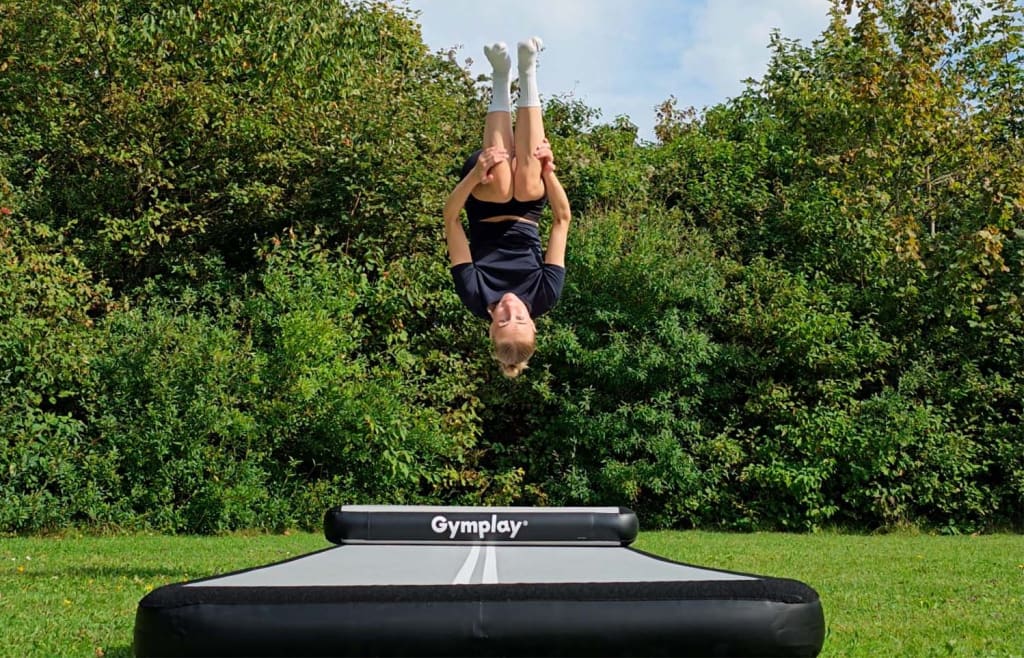
An airtrack opens up a world of possibilities for athletes, fitness enthusiasts, and anyone looking to add excitement to their workout routine. This inflatable training surface provides a safe, bouncy platform that reduces impact on joints while allowing for dynamic movements that would be difficult or dangerous on solid ground.
The versatility of an airtrack makes it suitable for various skill levels and activities. Gymnasts use it to practice tumbling passes and build confidence with new skills. Martial artists find it perfect for practicing high kicks and acrobatic moves. Fitness enthusiasts discover it transforms ordinary workouts into engaging challenges that feel more like play than exercise.
Beyond structured training, an airtrack brings pure joy to movement. Children and adults alike can bounce, flip, and play in ways that reconnect them with the simple pleasure of physical activity. The forgiving surface encourages experimentation and creativity, making it easier to push boundaries safely.
Whether you're training for competition, staying fit, or simply having fun, understanding the different ways to use an airtrack will help you get the most from this remarkable piece of equipment. The key lies in exploring its potential across multiple disciplines and approaches.
Gymnastics training and skill development
An airtrack serves as an excellent tool for gymnasts at every level to practice and perfect their tumbling skills. The bouncy surface provides extra lift and reduces the fear factor when learning new moves like back handsprings, front flips, and aerial cartwheels. Beginners can start with basic forward rolls and gradually progress to more complex sequences as their confidence builds. You can see some of the best airtracks on the marked today here.
The forgiving nature of the airtrack allows gymnasts to attempt skills they might hesitate to try on a regular floor. This psychological advantage often leads to faster skill acquisition and breakthrough moments. Coaches love using airtracks because they can spot students more easily and reduce the risk of injury during the learning process. Advanced gymnasts use airtracks to string together multiple skills in combination passes.
The extra bounce helps maintain momentum throughout longer sequences, making it possible to practice competition routines with less fatigue. Many gymnasts find they can add extra twists or rotations to their existing skills when training on an airtrack. The surface also works well for practicing specific elements like round-offs and back walkovers. These foundational skills become more dynamic and fluid when performed on the bouncy surface.
Gymnasts often discover they can achieve better form and height, which translates to improved performance when they return to regular training surfaces. Training camps and gymnastics facilities frequently incorporate airtracks into their programs because they extend practice time and reduce wear on athletes' bodies.
Fitness workouts and conditioning exercises
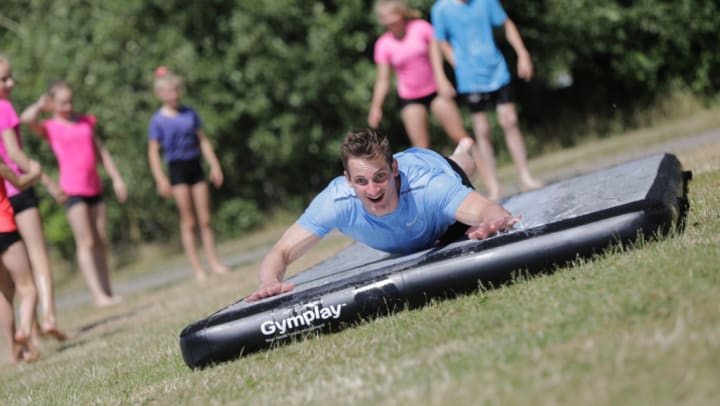
Fitness enthusiasts can transform their regular workout routines by incorporating an airtrack into their training sessions. The unstable surface challenges core muscles in ways that traditional floor exercises simply cannot match. Basic movements like push-ups, planks, and squats become significantly more demanding when performed on the bouncy surface, engaging stabilizing muscles throughout the entire body. High-intensity interval training takes on a new dimension with an airtrack.
Burpees become more explosive, mountain climbers require greater control, and jumping exercises gain extra height and impact. The surface absorbs some of the shock from high-impact movements, making it easier on joints while still providing an intense cardiovascular workout. Many fitness trainers use airtracks for plyometric exercises because clients can jump higher and land softer than on solid ground. Balance and coordination improve naturally when working out on an airtrack. Simple walking or jogging along the surface requires constant micro-adjustments that enhance proprioception and body awareness. This is a great way of improving your athletic performance and skills.
Yoga practitioners find that holding poses becomes more challenging and rewarding on the unstable surface. The airtrack forces deeper engagement of core muscles and improves focus and concentration. Group fitness classes often incorporate airtracks for partner exercises and team challenges. Two people can use opposite ends for synchronized movements or create resistance by working against each other's momentum. The playful nature of the surface makes even the most challenging workouts feel less like work and more like an adventure.
Recreational fun and family activities
An airtrack transforms any backyard or indoor space into an entertainment hub where families can bond through active play. Children naturally gravitate toward the bouncy surface, spending hours perfecting their jumps, rolls, and creative movements. Parents often find themselves joining in, rediscovering the joy of physical play they may have forgotten since their own childhood.
The airtrack becomes a catalyst for family fitness, encouraging everyone to move more while having genuine fun together. Birthday parties and social gatherings gain new energy when an airtrack is present. Kids can safely attempt flips and tricks they see in movies or video games, building confidence and physical literacy. The surface is forgiving enough that beginners feel comfortable experimenting, yet responsive enough to reward skill development. Many families report that their airtrack becomes the neighborhood attraction, drawing children away from screens and into active play.
Creative games emerge naturally on an airtrack. Tag becomes more dynamic with bouncing and rolling elements. Obstacle courses can incorporate the airtrack as a challenging segment that requires balance and coordination. Some families create their own gymnastics competitions, complete with scoring and prizes. The airtrack also works well for gentle roughhousing and wrestling games, providing a safe surface for siblings to play together. Adults discover that an airtrack can be surprisingly relaxing. Gentle bouncing and stretching on the surface can serve as stress relief after long workdays.
Creative training techniques and specialized applications
Professional athletes across various sports have discovered unique ways to incorporate airtracks into their training regimens. Martial artists use the surface to practice high kicks and aerial techniques with reduced impact on their joints. The extra bounce allows them to achieve greater height and hang time, perfecting their form before transitioning to solid ground.
Dancers and cheerleaders find airtracks perfect for rehearsing complex routines that involve jumps, leaps, and tumbling elements. The airtrack excels as a rehabilitation tool for athletes recovering from injuries. Physical therapists often recommend airtrack exercises because the surface provides support while challenging stability and strength. Patients can rebuild confidence in their movements without the fear of hard landings that might re-injure healing tissues.
Several specialized training methods work particularly well on airtracks:
• Progressive skill building - starting with basic movements and gradually adding complexity
• Endurance training - performing longer sequences with less fatigue due to the forgiving surface
• Fear reduction therapy - helping athletes overcome mental blocks by providing a safer practice environment
• Cross-training applications - allowing athletes from different sports to explore new movement patterns
• Strength and conditioning circuits - combining traditional exercises with airtrack-specific challenges
Water sports athletes use airtracks to practice aerial maneuvers they typically perform over water. Surfers, wakeboarders, and divers can rehearse rotations and body positioning without the need for water access. The airtrack provides immediate feedback on landing technique and body control.
The versatility of an airtrack makes it a valuable addition to any training program or recreational activity. From serious athletic training to family fun time, this equipment adapts to countless situations and skill levels. Gymnasts can safely practice new skills, fitness enthusiasts can intensify their workouts, and families can create lasting memories through active play.
What sets an airtrack apart is its ability to reduce fear while increasing challenge. The forgiving surface encourages experimentation and risk-taking in a controlled environment. Whether you're a professional athlete looking to refine technique or a parent wanting to get your children more active, an airtrack provides the perfect platform for growth and enjoyment.
The applications extend far beyond traditional gymnastics. Martial artists, dancers, rehabilitation patients, and water sports athletes all find unique benefits from incorporating airtrack training into their routines. The surface transforms ordinary exercises into engaging challenges that feel more like play than work.
Most importantly, an airtrack brings joy back to movement. It reminds us that physical activity doesn't have to be serious or structured to be beneficial. Sometimes the best workouts are the ones that make us laugh, challenge our balance, and reconnect us with the simple pleasure of bouncing, jumping, and playing.
About the Creator
Keep reading
More stories from Sommersang and writers in 01 and other communities.
How to build an effective daily skincare routine
Achieving beautiful, healthy skin starts with understanding the basics of proper skincare. Your daily routine doesn't need to be complicated or expensive to deliver remarkable results. The secret lies in choosing the right products for your specific skin type and applying them consistently with proper techniques.
By Sommersang8 months ago in 01
How to Build a Fitness App That Keeps Users Coming Back
The fitness app market in 2026 is no longer a battle of content. It is no longer about who has the most workout videos. It is now a battle of who can sustain user motivation. Data from the 2025 Global Digital Health Report is clear. Initial downloads for health apps remain high. However, nearly 60% of users drop off within thirty days. This happens if the experience feels generic.
By Del Rosarioa day ago in 01




Comments