
How to Start a Crypto Mining Rig: Costs and Profits Explained
By Jay Phoenix
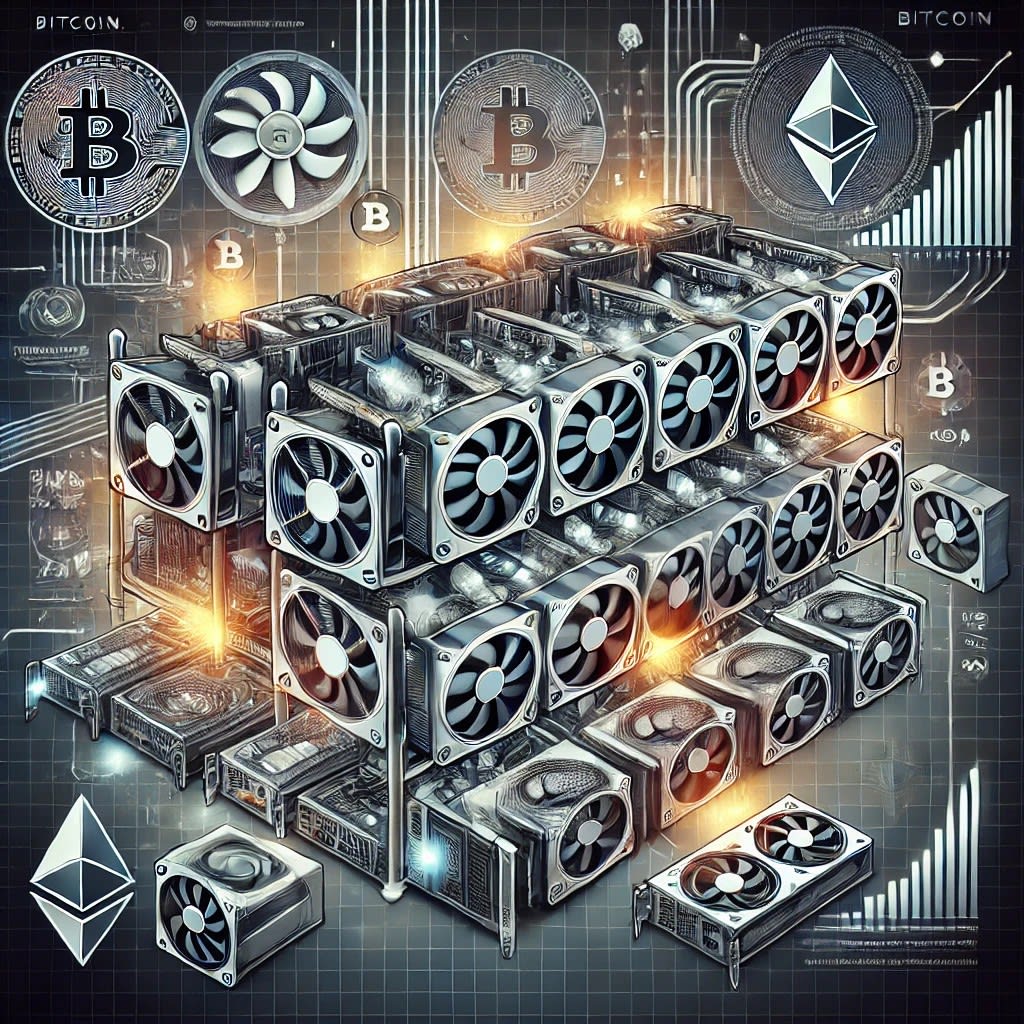
Cryptocurrency mining has become one of the most popular ways to earn passive income in the digital age. The concept is simple: use computational power to solve complex mathematical problems, validate blockchain transactions, and earn cryptocurrency rewards in return. However, starting a mining rig isn’t as straightforward as it might seem. It requires careful planning, significant investment, and ongoing management to ensure profitability.
In this guide, we’ll explore how to start a crypto mining rig, the associated costs, and how to calculate potential profits.
What Is Cryptocurrency Mining?
Cryptocurrency mining is the process of validating transactions on a blockchain network. Miners compete to solve complex algorithms, and the first one to find the solution earns the right to add a block to the blockchain. In return, they receive cryptocurrency as a reward.
Mining is essential for maintaining decentralized networks like Bitcoin and Ethereum. It ensures security, transparency, and the creation of new coins.
Step-by-Step Guide to Starting a Mining Rig
1. Understand the Basics:
- Decide which cryptocurrency you want to mine. Bitcoin, Ethereum, Litecoin, and Monero are popular choices.
- Research the mining algorithm for your chosen coin (e.g., SHA-256 for Bitcoin, Ethash for Ethereum).
2. Choose Your Mining Hardware:
- ASIC Miners:
- Designed for specific algorithms and highly efficient.
- Best for mining Bitcoin.
- Example: Bitmain Antminer S19 Pro.
- GPU Rigs:
- Use multiple graphics cards for versatile mining.
- Suitable for mining Ethereum and other altcoins.
- Example: NVIDIA GeForce RTX 3080.
3. Set Up Your Mining Rig:
- Assemble the hardware, including:
- Graphics cards or ASICs.
- Motherboard.
- Power supply unit (PSU).
- Cooling system.
- Mining frame or rack.
- Install mining software, such as NiceHash, CGMiner, or PhoenixMiner.
- Connect your rig to a mining pool for consistent payouts.
4. Select a Mining Pool:
- Mining pools combine computational power from multiple miners to increase the chances of earning rewards.
- Popular mining pools include F2Pool, Slush Pool, and Ethermine.
5. Optimize Your Setup:
- Overclock your GPUs for better performance.
- Monitor temperatures to prevent overheating.
- Regularly update your mining software.
6. Track Your Earnings:
- Use mining calculators like WhatToMine or CryptoCompare to estimate your profits based on hash rate, electricity costs, and current coin prices.
Costs of Starting a Mining Rig
1. Hardware Costs:
- ASIC Miners: $2,000 to $10,000 per unit.
- GPU Rigs: $3,000 to $6,000 for a six-GPU setup.
2. Electricity Costs:
- Mining rigs consume significant energy. Expect monthly electricity bills to range from $100 to $500 or more, depending on your location and setup.
3. Cooling Solutions:
- Proper cooling is essential to prevent overheating.
- Costs for fans, air conditioning, or liquid cooling systems range from $100 to $1,000.
4. Mining Pool Fees:
- Pools charge a fee of 1% to 3% of your earnings.
5. Maintenance and Repairs:
- Budget for replacing components like fans, power supplies, or GPUs over time.
Potential Profits
The profitability of crypto mining depends on several factors:
1. Cryptocurrency Prices:
- Mining is more profitable during bull markets when coin prices are high.
2. Hash Rate:
- Higher computational power increases your chances of earning rewards.
3. Electricity Costs:
- Low electricity rates significantly impact profitability.
4. Block Rewards:
- Each blockchain has different reward structures. For example, Bitcoin’s current reward is 6.25 BTC per block (as of 2025), but this halves approximately every four years.
Example Calculation:
- Hardware cost: $5,000 (GPU rig).
- Monthly electricity: $150.
- Monthly earnings: $300 (based on current Ethereum prices).
- Monthly profit: $300 - $150 = $150.
- Time to break even: $5,000 / $150 = ~33 months.
Challenges of Crypto Mining
1. High Initial Investment:
- Setting up a mining rig requires significant upfront costs.
2. Volatility:
- Cryptocurrency prices are unpredictable, impacting earnings.
3. Competition:
- As more miners join the network, mining difficulty increases, reducing individual rewards.
4. Regulatory Risks:
- Some countries restrict or ban crypto mining due to energy concerns.
5. Environmental Impact:
- Mining consumes large amounts of electricity, raising sustainability issues.
Tips for Success
1. Research Thoroughly:
- Understand the coin you want to mine and its profitability potential.
2. Focus on Efficiency:
- Choose energy-efficient hardware to maximize profits.
3. Diversify Your Portfolio:
- Don’t rely solely on mining. Invest in other cryptocurrencies or blockchain projects.
4. Stay Updated:
- Follow crypto news and trends to adapt your strategy.
5. Join a Community:
- Engage with mining forums and online groups to share tips and insights.
Final Thoughts
Starting a crypto mining rig can be a rewarding venture, but it’s not without challenges. By understanding the costs, potential profits, and risks, you can make informed decisions and set yourself up for success.
As the crypto landscape continues to evolve, mining remains a fascinating way to participate in the blockchain revolution. With the right approach, your mining rig could become a valuable asset in the digital economy.
About the Creator
Keep reading
More stories from Jay Phoenix and writers in 01 and other communities.
The Role of Cryptocurrency in Online Gaming and eSports
Cryptocurrency is no longer just a buzzword in the tech and finance world. It’s transforming industries, and one sector that has embraced this revolution is online gaming and eSports. With a growing global audience, the gaming industry is leveraging blockchain and crypto technologies to create new opportunities for players, developers, and organizations.
By Jay Phoenixabout a year ago in 01
Top 10 SEO Experts in Pakistan 2026
Pakistan continues to establish itself as a key contributor to the global digital marketing industry. By 2026, the country has developed a mature SEO ecosystem that extends well beyond traditional keyword optimization.
By SEO EXPERT IN PAKISTAN 20257 days ago in 01
Affection and Healing for Yourself
During the night of the last quarter moon, I gathered my ritual supplies. I carefully handled the chunk of black tourmaline that would protect me from your overall negative and narcissistic energy. I carefully walked the house with my stick of selenite in hand, asking the universe to cleanse our working space.
By Alisha Wilkins ✒️🦋🖋️8 days ago in Fiction




Comments
There are no comments for this story
Be the first to respond and start the conversation.