
How to Safeguard Your Home without Spending a Lot
Home Security
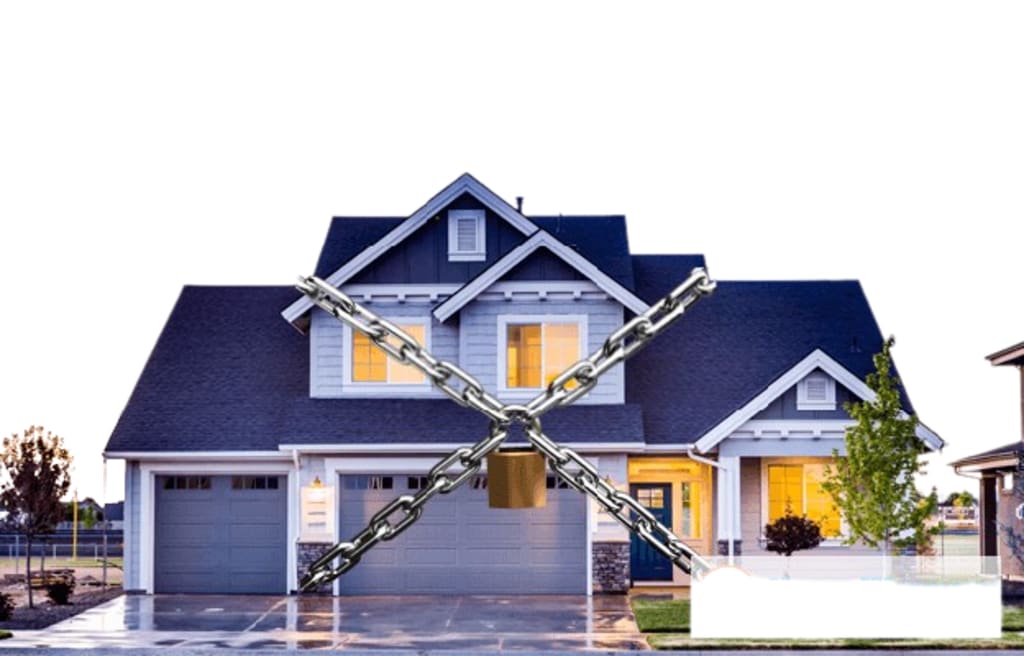
Yes, home security is indeed a serious matter, and it's important for individuals to take steps to protect their homes and belongings. While it's true that there is a significant number of burglaries occurring in the United States, it's worth noting that the specific statistics you mentioned may vary over time and depend on various factors.
Here are some practical and affordable measures you can take to enhance your home security:
1. Install a security system: Consider investing in a home security system that includes features like alarms, surveillance cameras, and motion sensors. Many modern systems are wireless and can be controlled remotely through smartphone apps.
2. Reinforce doors and windows: Ensure that your doors have sturdy frames, deadbolt locks, and strike plates. Consider using security film on windows to make them more resistant to breakage.
3. Adequate lighting: Good outdoor lighting can deter burglars, so install motion-sensor lights around the perimeter of your home, particularly near entry points.
4. Secure entry points: Strengthen doors and windows with additional measures such as window bars, door reinforcement plates, and security screens.
5. Maintain visibility: Trim hedges and bushes near windows to eliminate hiding spots for potential intruders. This improves natural surveillance from neighbors and passersby.
6. Secure valuables: Keep valuable items, such as jewelry and important documents, in a secure safe or lockbox. Consider hiding them in inconspicuous places rather than obvious locations.
7. Home automation: Utilize smart home technology to control lights, locks, and cameras remotely. This can give the impression that someone is home even when you're away.
8. Neighborhood watch: Get involved in or establish a neighborhood watch program to encourage mutual vigilance and cooperation among neighbors.
9. Be cautious with personal information: Avoid sharing your vacation plans or other sensitive information on public platforms that could make your home a target.
10. Create the illusion of occupancy: Use timers to turn lights on and off at specific intervals, and consider leaving a radio or TV playing to make it appear as though someone is at home.
Remember, no security measure can guarantee complete protection, but by implementing these precautions, you can significantly reduce the likelihood of a burglary and increase the safety of your home.
Having a security system, whether professionally installed or DIY, can indeed be a significant deterrent for burglars. It's essential to choose a system that suits your needs, budget, and level of comfort with installation and maintenance.
Professional Installations:
• Require professional monitoring and often involve long-term contracts.
• Companies may offer lower upfront equipment costs, spreading them throughout the contract duration.
• Technicians conduct a security assessment, explain options, and ensure proper equipment functioning.
• Suitable for those who prefer a hassle-free approach without the need for extensive self-learning.
DIY Installations:
• DIY systems generally have lower monitoring costs compared to professionally installed systems.
• No installation fees, but higher upfront equipment costs should be expected.
• DIY installations require careful equipment placement to avoid security vulnerabilities.
• Consider this option if you have budget limitations or if you're a renter and can't commit to a long-term contract.
When deciding on a security system, it's crucial to consider your specific needs, desired level of protection, and budget constraints. Additionally, thoroughly research and compare different security systems, read user reviews, and understand the features and limitations of each option.
Remember, no security system is foolproof, so it's beneficial to combine it with other cost-effective measures like reinforcing entry points, improving lighting, and practicing good security habits. Taking a comprehensive approach will help enhance the security of your home without breaking the bank.
Another essential point is the importance of evaluating the needs of your neighborhood and your house when choosing a security system. Strengthening your exterior doors is indeed a crucial step in home security. Here are some considerations:
1. Door Strength: Ensure that your doors are made of solid materials, such as solid wood or metal, and have a solid core. Weak doors can be easily kicked in or forced open. Consider upgrading to reinforced doors if needed.
2. Door Frames: The door frame should be securely installed and made of strong materials like hardwood or metal. Reinforce weak door frames to prevent them from being easily compromised.
3. Hinges: Check the hinges on your doors and make sure they are installed with sturdy, long screws that penetrate the door frame. This prevents the door from being easily removed by force.
4. Door Reinforcement Kits: Install door reinforcement kits, such as door jammers or security plates, to provide additional strength and protection to your doors. These kits can help prevent forced entry and reinforce weak points.
5. Mail Slot Security: If your door has a mail slot, ensure that it is not large enough for someone to reach through and unlock the door from the inside. If necessary, consider installing a mail slot security box or a cover that prevents unauthorized access.
By inspecting and reinforcing your exterior doors, you can significantly improve their resistance to break-ins. Remember to also consider other entry points such as windows and implement appropriate security measures for those as well.
In addition to physical reinforcements, combining a reliable security system with your strengthened doors will provide comprehensive protection for your home.
When moving into a house or an apartment that was previously occupied by someone else changed the door locks this is the easiest way to ensure that no stranger can just walk into your house using the keys.
Changing the door locks when moving into a new house or apartment is a crucial step in ensuring the security of your home. Here's why it's important:
1. Eliminate Access: By changing the locks, you eliminate the possibility of previous occupants or anyone else who might have copies of the keys from gaining unauthorized access to your home.
2. Key Control: Changing the locks allows you to have complete control over who has access to your home. You can provide keys only to trusted individuals, such as family members or close friends, and ensure that no one else can enter without your permission.
3. Unknown Copies: It's impossible to know for certain how many copies of the keys to your new home exist. Previous occupants may have given spare keys to neighbors, friends, or service providers. Changing the locks eliminates any uncertainty and provides peace of mind.
4. Enhanced Security: Upgrading the locks during the lock replacement process allows you to choose more secure options. Consider installing high-quality deadbolt locks that are resistant to picking, drilling, and other forced entry methods.
When moving into a new residence, prioritize changing the door locks as soon as possible. This simple and relatively inexpensive step significantly enhances the security of your home and protects your privacy.
One other way to boost security for your door is to use a wireless doorbell cameras.
Using a wireless doorbell camera is indeed an effective way to enhance the security of your door. Here are some points to consider:
1. Wireless Doorbell Camera: Wireless doorbell cameras provide a convenient and accessible way to monitor your front door. They typically connect to your home's Wi-Fi network and allow you to view live video footage, receive alerts, and communicate with visitors through a smartphone app.
2. Features: Look for a wireless doorbell camera with features such as motion detection technology and super night vision. These features ensure that you can monitor activity even in low-light conditions and receive alerts when motion is detected near your door.
3. Rechargeable Battery: Opt for a wireless doorbell camera with a built-in rechargeable battery. This eliminates the need for frequent battery replacements and ensures that the camera remains operational for an extended period. Many models offer battery status monitoring through the smartphone app.
4. Weatherproof Design: Choose a wireless doorbell camera that is designed to withstand various weather conditions. Look for models that are waterproof or weather-resistant, as they will be exposed to the elements.
Additionally, you mentioned sliding glass doors. Here are a couple of suggestions for enhancing their security:
• Window Bars or Dowels: Placing a window bar or a dowel in the track of the sliding glass door prevents it from being forced open. This adds an extra layer of physical security.
• Door Sensor or Glass Break Sensor: Installing a door sensor or a glass break sensor on the sliding glass door can provide an immediate alert if someone tries to tamper with or break the glass. These sensors can integrate with your security system or send notifications directly to your smartphone.
By incorporating these basic security measures, such as using a wireless doorbell camera and reinforcing sliding glass doors, you can significantly improve the security of your home and deter potential intruders.
Securing windows and enhancing outdoor lighting.
1. Window Security:
• Lock Windows: Remember to consistently lock your windows, as many burglars take advantage of unlocked or open windows.
• Window Security Film: Applying window security film can reinforce glass and make it more difficult to break. It holds the glass together even if shattered.
• Window Bars: Installing window bars or grilles can provide a physical barrier, preventing unauthorized entry through windows.
• Window Sensors: Adding window sensors to your security system can detect if a window is opened or tampered with, triggering an alarm or notification.
2. Landscaping and Outdoor Lighting:
• Prickly Bushes: Planting thorny or prickly bushes beneath first-floor windows can act as a deterrent, discouraging burglars from targeting your home.
• Outdoor Lighting: Well-placed outdoor lights, including motion-activated lights, can increase visibility around your property. Place lights near entrances, pathways, and dark corners to eliminate hiding spots for potential intruders.
• Solar-Powered Lights: Consider using solar-powered outdoor lights to save energy. These lights can still operate for several nights, even during cloudy or rainy weather.
3. Trim Trees and Shrubs:
• Maintain visibility around your home by trimming trees and shrubs, especially those close to windows and entrances. By keeping them smaller and well-maintained, you reduce hiding places for burglars.
By implementing these measures, you can make your windows more secure and create a well-lit and less appealing environment for potential burglars. Remember, a combination of physical barriers, security technology, and proper landscaping can significantly improve your home's security.
Securing outdoor areas and the garage
1. Lock Gates and Outdoor Buildings:
• Ensure that gates, sheds, and other outdoor buildings are securely locked to prevent unauthorized access. Treat them with the same level of security as your main house.
2. Stools and Ladders:
• Don't leave stools or ladders outside, as burglars can use them to gain access to upper-level windows. Secure them in a locked shed or garage.
3. Garage Security:
• Lock the garage even if it doesn't provide direct access to your home. Valuable items stored in the garage can be tempting for burglars.
• Store your garage door opener inside your house instead of leaving it in your car. This prevents burglars from easily stealing it.
• Maintain the confidentiality of your garage door security code and avoid entering it in front of others, including neighbors, to prevent unauthorized access.
• Consider installing a driveway alarm, which can alert you if someone approaches your garage or driveway.
By securing gates, outdoor buildings, and the garage, you minimize the chances of unauthorized entry and protect valuable items stored in these areas. It's important to maintain a consistent level of security throughout your entire property.
Now these days not just burglars but porch pirates or package thieves are a concern for many people too. Security cameras can indeed be effective in deterring such thefts and providing evidence if a package is stolen. Here are some points to consider:
1. Deterrence:
• Visible security cameras act as a deterrent by letting potential thieves know that they are being monitored. This can make them think twice before attempting to steal a package.
2. Identification:
• If a package is stolen, having security camera footage can help identify the thief and provide evidence to law enforcement or delivery companies.
3. Fake Security Cameras:
• If you're on a tight budget, using fake security cameras can still create the illusion of surveillance and potentially deter porch pirates. These fake cameras are cheaper alternatives that resemble real cameras, often including a flashing light to make them appear more realistic.
While fake security cameras may not provide actual footage or recording capabilities, their presence can give the impression of a monitored property. However, it's important to note that determined thieves may recognize fake cameras, so investing in a real security camera system is generally more effective in providing genuine security and evidence.
Consider your budget and security needs when deciding between fake cameras and genuine security camera systems. Real security cameras provide better peace of mind and actual video evidence in case of any incidents.
Now last but not the least, having a safe is indeed a good idea to secure your valuable items and important documents. Here are some considerations when choosing a safe:
1. Security Features:
• Look for safes that offer advanced security features such as solid construction, strong locks (electronic or combination), and pry-resistant doors. Safes with digital keypads or biometric locks can provide convenient and secure access.
2. Fire Resistance:
• Opt for a safe that offers fire resistance to protect your valuables in case of a fire. Look for safes with fire ratings that indicate the duration they can withstand fire and the maximum temperature they can endure.
3. Water Resistance:
• Consider a safe that is also waterproof to protect your items from water damage in case of flooding or water-related incidents.
4. Size and Weight:
• Choose a safe that is appropriately sized to accommodate your valuables and documents. Additionally, ensure that the safe is heavy enough or can be securely bolted down, making it difficult for a thief to carry it away.
5. Placement:
• Decide on the best location for your safe. It should be hidden or installed in a discreet area, such as a closet or behind furniture, to prevent it from being easily discovered.
Remember to regularly review the security measures you have in place, including the safe's combination or access codes, to ensure optimal security. Additionally, consider informing trusted individuals about the existence and location of the safe, in case of unforeseen circumstances.
By investing in a high-quality safe and using it properly, you can provide an extra layer of protection for your valuable items and important documents.
About the Creator
Joan Tobias
Its my time to use my talent to inspire, share and create content useful for readers.
Keep reading
More stories from writers in 01 and other communities.
Cryptocurrency Market Size and Forecast 2025–2033: Digital Assets Redefining the Global Financial System
Global Cryptocurrency Market Outlook The global cryptocurrency market is entering a decisive phase of maturity and institutional relevance. According to Renub Research, the cryptocurrency market is expected to grow from US$ 5.82 billion in 2024 to US$ 17.14 billion by 2033, expanding at a CAGR of 12.75% from 2025 to 2033.
By Janine Root 5 days ago in 01
Amsterdam Becomes Europe’s Video Hub for Global Brands
Amsterdam’s rise as a European video-production centre is no accident. The Dutch capital combines historic charm with state-of-the-art infrastructure. For example, one expert notes that the Netherlands offers “advanced digital infrastructure” with nationwide 5G and even “one of the world’s largest internet hubs (Amsterdam Internet Exchange)”. This high-speed connectivity underpins the city’s media cluster – cities like Amsterdam and nearby Hilversum are “powerhouses of media production,” hosting leading broadcasters and streaming giants. At the same time, Amsterdam’s creative community is vast and diverse. Official sources report “more than 200,000 people from over 20 nationalities” work in the Amsterdam-area creative industries, and the city’s “vibrant creative hub is renowned globally for its excellence”. These artists, designers and filmmakers are continually collaborating on international campaigns, driven by Amsterdam’s inclusive culture, reliable broadband and easy European connections.
By Kashif Khan3 days ago in 01



Comments
There are no comments for this story
Be the first to respond and start the conversation.