
How to Prepare Your Roof for Hurricane Season in Miami-Dade
Miami Roofing
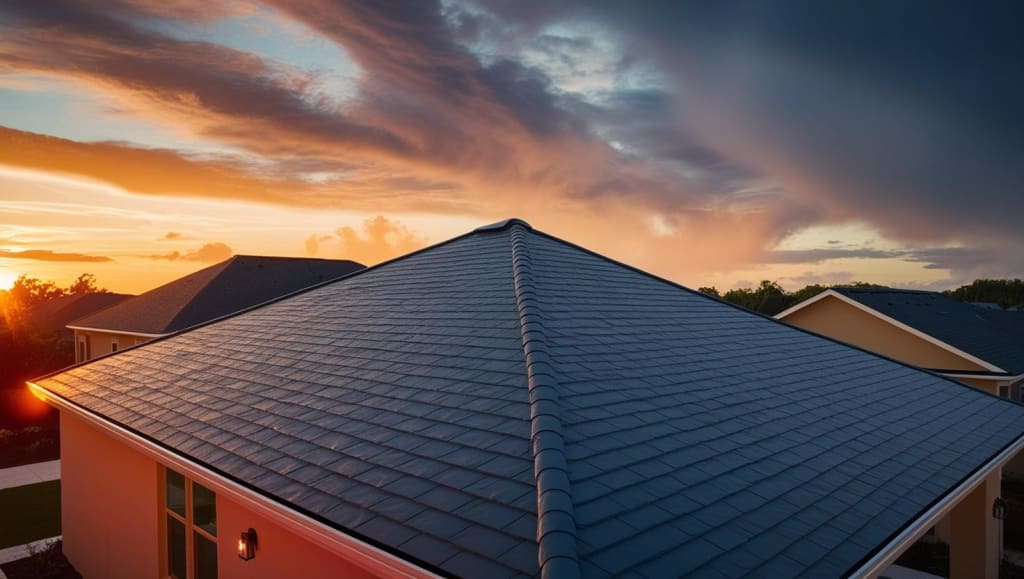
Hurricane season is an annual concern for Miami-Dade County residents and business owners. From June to November, the region faces the possibility of severe storms and hurricanes that can cause extensive roof damage. Preparing your roof ahead of time is essential to protect your property and minimize the risk of costly repairs.
In this article, we’ll provide you with a step-by-step guide on how to prepare your roof for hurricane season in Miami-Dade, the most common roof issues to address, and how working with Miami FL roofers can ensure your roof is storm-ready.
Why Roof Preparation Is Essential in Miami-Dade
Miami-Dade County is known for its vulnerability to hurricanes and high winds, especially during the peak months of hurricane season. Your roof is the most exposed part of your property and faces the highest risk of wind and water damage. By properly preparing your roof, you can:
- Reduce the risk of wind damage (e.g., shingles blowing off, roofing materials being dislodged)
- Prevent water infiltration that can lead to leaks, mold, and interior damage
- Extend the lifespan of your roof and save on repair costs after a storm
The time to prepare is before a storm approaches—waiting until the last minute can lead to rushed, less effective solutions. Here’s what you need to do to get your roof ready for hurricane season.
1. Inspect and Repair Roof Damage Early
The first step in preparing your roof for a hurricane is to inspect it thoroughly. Look for any signs of existing damage or wear that could be exacerbated during a storm. If you don’t feel comfortable doing the inspection yourself, hire a professional Miami FL roofer to conduct a thorough check.
What to look for:
- Missing or damaged shingles/tiles: Missing tiles or shingles can leave your roof vulnerable to water infiltration during a storm.
- Loose or cracked flashing: Flashing around chimneys, vents, and skylights can lift off in strong winds, leading to leaks.
- Sagging or soft spots: These may indicate structural damage or moisture buildup, which can worsen in a storm.
- Damaged gutters: Ensure your gutters and downspouts are securely attached and clear of debris.
If you find any damage during your inspection, address it immediately. You don’t want small issues to turn into major leaks during a storm. Professional repairs can prevent much larger and more expensive problems down the road.
2. Secure Loose or Weak Roofing Materials
Once you’ve checked for damage, ensure that all roofing materials are secure. Miami-Dade’s roofing codes are designed to withstand hurricane-force winds, but if your roof is older or has experienced previous damage, securing it in advance is crucial.
How to Secure Your Roof:
- Reinforce shingles and tiles: Ensure that all shingles and tiles are properly fastened to avoid them being blown away by high winds.
- Inspect fasteners: Check the nails or screws that hold down your roofing materials. If they’re loose or rusted, replace them with stronger, corrosion-resistant fasteners.
- Check for wind-resistant upgrades: If your roof doesn’t already have hurricane straps or clips, consider installing these to secure the roof to the structure of your home. These straps help prevent the roof from being uplifted in strong winds.
3. Trim Overhanging Trees and Branches
Trees near your home can be a significant risk during a hurricane. Overhanging branches can fall and cause serious damage to your roof, windows, and structure. Before hurricane season starts, trim any trees that are too close to your building.
What to Do:
- Trim back overhanging branches that could potentially fall on your roof.
- Remove dead or weak trees that might be uprooted in a storm. These are more likely to break under high winds.
- Clear gutters and downspouts to ensure water doesn’t back up, which can lead to roof leaks.
Taking care of your trees early in the season can help prevent dangerous debris from damaging your roof during a storm.
4. Apply a Protective Coating or Sealant
One way to increase your roof’s resistance to the elements is by applying a protective coating or sealant. This can be especially important for flat roofs or older materials that may have lost their waterproofing ability.
Benefits of protective coatings:
- Waterproofing: Coatings create a barrier against rainwater and humidity, reducing the risk of leaks.
- UV protection: The sun’s rays can cause materials to degrade over time, but a protective coating helps prevent UV damage.
- Corrosion resistance: For metal roofs, protective coatings can help prevent rust caused by salt air, which is especially important for properties near the coast.
5. Inspect and Reinforce Your Roof’s Ventilation
Proper ventilation is crucial to ensure your roof stays cool and dry during the humid months. During a hurricane, however, wind-driven rain can infiltrate poorly ventilated roofs, leading to significant damage.
How to Improve Ventilation:
- Check attic ventilation: Ensure your attic has proper ventilation to prevent moisture buildup and reduce the risk of mold.
- Install or upgrade vents: If your roof lacks adequate venting, consider installing ridge vents, soffit vents, or attic fans to improve airflow and reduce heat buildup.
6. Install Hurricane Shutters or Protect Vulnerable Areas
While this step pertains more to the overall protection of your property, hurricane shutters or plywood boards for windows and skylights are vital in preventing wind-driven rain from entering your building. Securing vulnerable areas can minimize water damage during a storm and protect your roof and interior.
7. Schedule a Professional Roof Inspection
In addition to doing your own inspection, it’s always a good idea to have a professional roofing contractor conduct a thorough hurricane preparation inspection. A professional will:
- Look for issues that may not be obvious to the untrained eye.
- Ensure your roof meets the latest Miami-Dade building codes for hurricane resistance.
- Provide guidance on wind-resistant roofing upgrades, such as hurricane clips, straps, or reinforced decking.
Having a professional inspect your roof can provide peace of mind that it’s storm-ready and help you avoid any last-minute surprises.
Final Thoughts
Properly preparing your roof for hurricane season in Miami-Dade County is an investment in both the safety of your home and the longevity of your roof. From securing roofing materials to trimming trees and adding protective coatings, taking the time to prepare in advance can save you significant costs and headaches down the road.
If you need assistance with roof inspections, repairs, or preparations, Miami FL roofers can help ensure your property is ready to face whatever hurricane season throws its way. Start by visiting Diamond Certified’s Miami-Dade roofing directory to find a trusted contractor in your area.
About the Creator
Keep reading
More stories from Jared Benning and writers in 01 and other communities.
DIY Roof Repairs: What You Can and Can't Do
Roof repairs can be daunting, especially when dealing with the harsh weather conditions in Harris County. With the right knowledge, tools, and safety precautions, some minor roof repairs can be done yourself, saving you time and money. However, not all roofing issues are suited for a DIY approach, and attempting complicated repairs without professional help could lead to more significant problems.
By Jared Benning10 months ago in 01
How to Build AI Apps That Think, Learn, and Improve: A 2026 Developer’s Guide
Artificial intelligence has moved far beyond simple automation. In 2026, modern applications are no longer just tools that execute predefined commands—they are becoming intelligent systems capable of learning from data, adapting to user behavior, and improving their performance over time.
By Vitarag Shahabout 5 hours ago in 01


Comments
There are no comments for this story
Be the first to respond and start the conversation.