
DIY Roof Repairs: What You Can and Can't Do
Houston Roofing
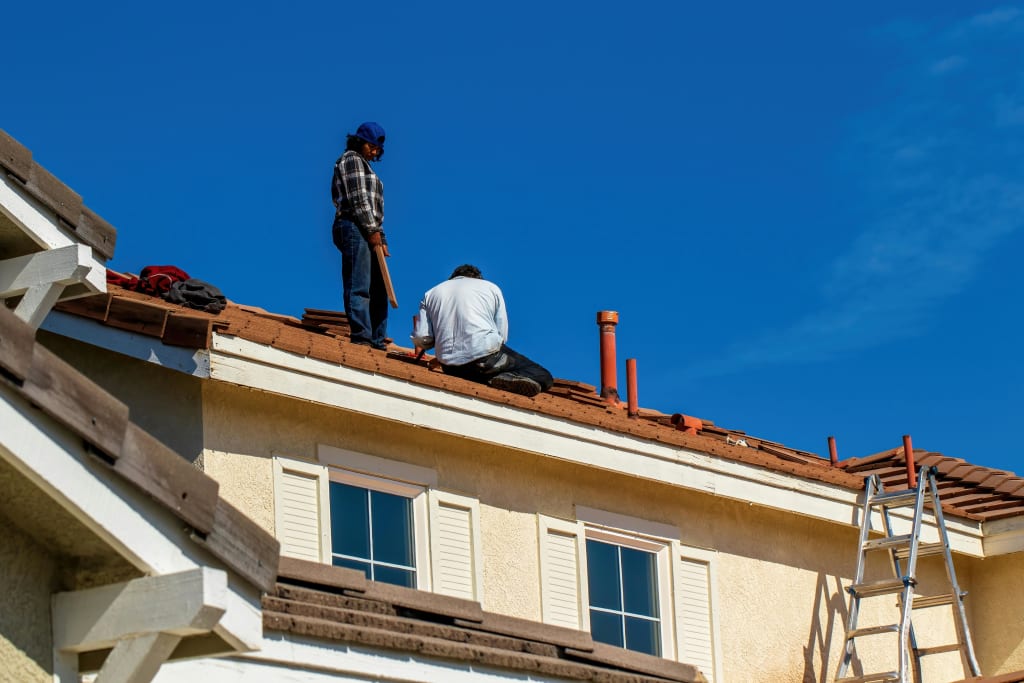
Roof repairs can be daunting, especially when dealing with the harsh weather conditions in Harris County. With the right knowledge, tools, and safety precautions, some minor roof repairs can be done yourself, saving you time and money. However, not all roofing issues are suited for a DIY approach, and attempting complicated repairs without professional help could lead to more significant problems.
In this article, we’ll walk you through the types of roof repairs you can attempt yourself and when it’s best to call a professional Houston roofing contractor.
When DIY Roof Repairs Are Feasible
Some minor roof repairs are suitable for homeowners who have the proper tools and a bit of knowledge. Here are some repairs you can handle:
1. Replacing Missing or Damaged Shingles
One of the most common roof repairs is replacing damaged or missing shingles. If you spot a few loose or damaged shingles, this is a repair that many homeowners can manage themselves.
- What you need: Replacement shingles, roofing nails, a hammer, a pry bar, and roofing cement.
- How to do it: Use a pry bar to remove the damaged shingles, then slide the new shingles into place and secure them with nails. Apply roofing cement to ensure the shingles are sealed.
However, if you notice widespread damage or leaks, it's better to consult a professional, as repairing an entire section may require a more advanced approach.
2. Fixing Leaks with Roof Cement
Small leaks around shingles, vents, or chimneys can often be sealed using roof cement or caulk. This is a quick and temporary fix for minor leaks.
- What you need: Roof cement or waterproof caulk, a caulk gun, a putty knife, and gloves.
- How to do it: Apply roof cement around the leak, then smooth it over with a putty knife to ensure it seals the area completely.
This fix is only suitable for small, non-structural leaks. If your roof is experiencing significant water damage, this should be handled by a professional roofing contractor.
3. Clearing Gutters and Downspouts
Clogged gutters can lead to water damage on your roof and in your home. Cleaning your gutters regularly is a simple task that can be done safely with a ladder and basic cleaning tools.
- What you need: Ladder, gloves, gutter scoop or small shovel, hose, and bucket.
- How to do it: Set up a sturdy ladder and remove debris from the gutters. Flush the downspouts with a hose to ensure water flows freely.
Clean gutters are essential for ensuring proper water drainage and preventing roof leaks or damage.
When to Call a Professional Roofing Contractor
While minor repairs can be DIY projects, there are certain situations where you should always call a professional roofing contractor. Here are some repairs that are best left to the experts:
1. Extensive Water Damage or Leaks
If you have significant water damage, leaks in multiple areas, or if you notice sagging in your roof, it’s time to call a professional. Roofing professionals can assess the structural integrity of your roof and repair any underlying issues.
- Why you need a pro: Water damage can lead to mold growth and weakened roof structures, which may require more than just patching up leaks.
2. Roof Decking and Structural Repairs
If your roof deck is damaged, it’s essential to have a professional roofing contractor handle the repair. Roof decking is a vital structural component, and improper repairs can cause further damage and even compromise the safety of your home.
- Why you need a pro: This type of repair often requires advanced knowledge of roof construction and may involve replacing plywood or other structural materials.
3. Flat Roof Repairs
If you have a flat roof, repairs can be tricky and often require specialized materials and techniques. Flat roofs are prone to pooling water, which can lead to significant damage over time if not properly repaired.
- Why you need a pro: Flat roofs require specific materials and techniques to ensure proper drainage and sealing, making DIY repairs risky.
4. Storm Damage and Hail Repairs
After severe storms, hail, or hurricanes, it's important to get a roofing professional to inspect your roof for damage. Roofs in Harris County face high winds and heavy rain, and even small damage from a storm can quickly lead to more significant issues.
- Why you need a pro: Professionals can identify hidden damage, such as cracked shingles or compromised underlayment, that may not be immediately visible to the untrained eye.
5. Roofing Installation
If you need a new roof or are installing a new roofing material, it’s best to hire a professional contractor. Roofing installation requires specialized knowledge to ensure proper ventilation, water resistance, and adherence to local building codes.
- Why you need a pro: Incorrect installation can lead to costly repairs down the road and might even void warranties on roofing materials.
Safety Considerations for DIY Roof Repairs
Roofing repairs come with inherent risks, especially if you’re working at height. Here are some important safety tips if you plan on doing any roof repairs yourself:
- Use a sturdy ladder: Always use a ladder that is rated for your weight and ensure it’s placed on a stable surface.
- Wear appropriate safety gear: Gloves, slip-resistant footwear, and a hard hat can help protect you from injuries.
- Don’t work alone: Having a partner nearby is a good safety practice in case you need help with a task or in an emergency.
- Know your limits: If a job feels beyond your comfort zone, or if you feel unsafe, call a professional.
Final Thoughts
DIY roof repairs can be a great way to save money on minor issues like damaged shingles or clogged gutters. However, it's essential to recognize the limitations of DIY repairs and understand when to call a professional. For larger repairs, extensive leaks, or anything involving your roof’s structure, it’s always best to reach out to a licensed Houston roofing contractor who has the experience and expertise to handle the job.
Your roof plays a crucial role in protecting your home and family, so ensuring it’s in good condition is worth the investment in professional care.
About the Creator
Keep reading
More stories from Jared Benning and writers in 01 and other communities.
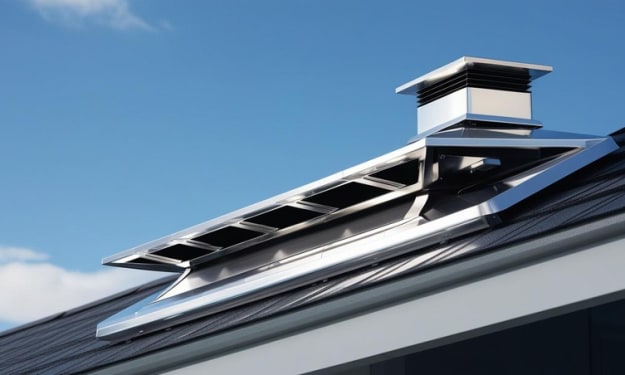
The Importance of Proper Roof Ventilation: Protect Your Home and Extend Your Roof’s Lifespan
Proper roof ventilation is a critical component of maintaining a healthy, durable roof. Without it, your roof may suffer from premature aging, damage from moisture buildup, and even structural issues that could lead to costly repairs. Whether you're building a new home or replacing your existing roof, ensuring that your roof is properly ventilated is essential for long-term protection.
By Jared Benning8 months ago in 01
Smart Cloud Security Tips for a Safer Home Network
In these days’s virtual age, cloud offerings have come to be an imperative part of our personal and professional lives. From storing a circle of relatives' snap shots to coping with economic statistics and smart home devices, the cloud offers convenience and accessibility like by no means before. However, with comfort comes a chance. Cyber threats are evolving swiftly, and domestic customers are increasingly turning into targets. Ensuring your house cloud surroundings are secure is now not optionally available—it’s crucial. Here are smart cloud protection recommendations that will help you shield your private home community and private data.
By Muhammad Hanzla2 days ago in 01


Comments
There are no comments for this story
Be the first to respond and start the conversation.