
How to Implement Adaptive Learning: Effective Strategies for 2024
Implementing Adaptive Learning: Key Strategies for 2024
Believe it or not, adaptive learning has increasingly become a core part of the modern education system and corporate training. This AI platform and integration are in growing demand, especially for personalized learning experiences.
We can say that in 2025, this trend is going to grow more than ever as educational institutions and organizations start offering personalized learning experiences that make it easy for educators and trainers to provide personalized needs.
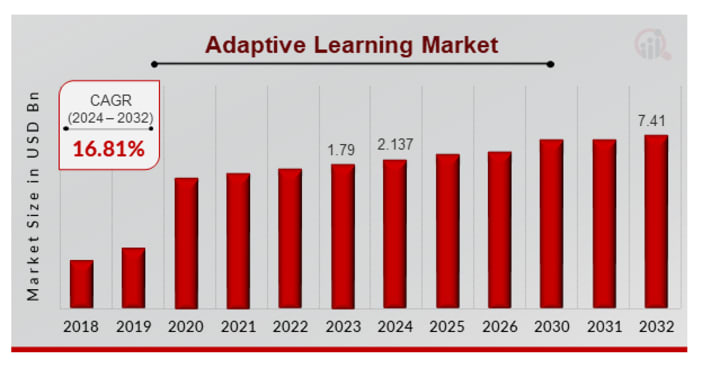
Let's look at some of the numbers; according to a report by Research and Markets, The market size was estimated to be USD 1.79 billion in 2023, and now it's expected to grow to over 7.41 billion in 2032. Now that’s over 24.02% CAGR!
One of the popular examples we can talk about that has created an impact is Arizona State University; they have integrated adaptive learning on a platform named Cogbook for biology courses. Today, they have over 200,000 students worldwide with proven reduced dropout rates by 90% and, on top of that, improved student performance by 24%. Crazy!
This blog will guide you through some of the actional strategies and approaches if you are looking to implement adaptive learning for both educators and corporate environments.
Understanding Adaptive learning
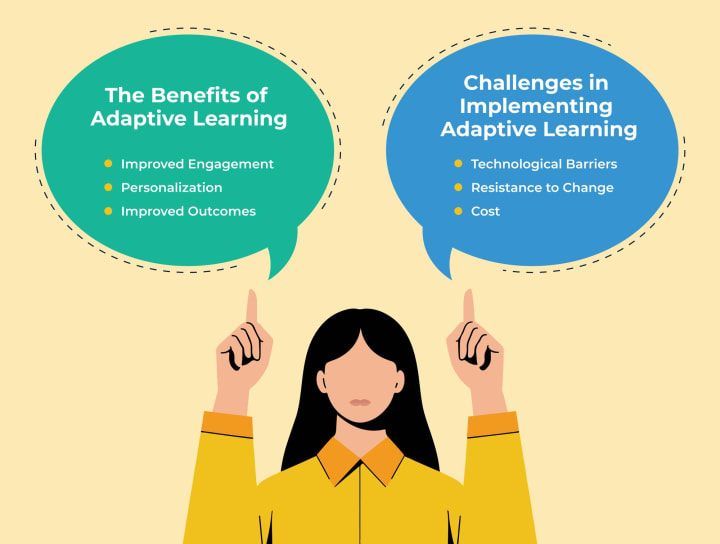
Let's understand what adaptive learning is and its benefits. We will also go through a few challenges.
The Benefits of Adaptive Learning
Adaptive Learning platforms offer a number of benefits, including.
- Improve Engagement
This adaptive learning platform offers custom content suggestions to each based on their abilities, interests, and interactions. This keeps learners engaged and motivated.
- Personalization
So, One of the major benefits of an adaptive learning platform is that it gives you a personalized learning experience, which leads to better outcomes.
- Improved Outcomes
As we mentioned earlier, an adaptive learning platform offers a personalized learning experience and caters to every student and their need based on their performance. This helps to have a better outcome.
Challenges in Implementing Adaptive Learning
Let's talk about challenges as well. This will help you understand all the aspects.
- Technological Barriers
When it comes to adaptive learning it requires robust technological infrastructure, including AI-powered platforms and data analysis tools.
A Good example would be schools that may lack the necessary hardware or software to support adaptive learning.
- Resisstance to Change
Many students and educators may not like the idea of changing the methods, fearing that adaptive learning could replace traditional teaching methods.
- Costs
Okay, so the initial investment in adaptive learning platforms and training can be higher, especially for smaller institutions or organizations, but in the long run, this will save you a ton of money and drive better results.
Maybe Check:- Digital Transformation in Education Industry: All You Need to Know
Essential Steps to Implement Adaptive Learning Successfully
1. Assess Organizational Readiness
Before implementing adaptive learning, it's very important to assess your current technological infrastructure. This should include everything from hardware to software to internet connectivity.
For example, you might need to give access to your current LMS to determine if it can integrate with adaptive learning. It’s important to make sure adaptive learning aligns with specific learning objectives and your goals.
For example instance, a corporate training program might focus on improving employees' productivity. Once you have a clear understanding, you can customize the adaptive learning platform to meet your unique needs.
2. Choose the Right Adaptive Learning Platform
When Selecting an adaptive learning platform, here are a few important features you should have.
AI capabilities: make sure your platform uses AI to provide personalized learning experiences and make real-time content suggested based on performance. On top of that, the platform should also have data analytics.
This will provide you with a detailed report that will help you track learners' progress and identify areas for improvement.
For example, Knewton, an adaptive learning platform, provides personalized and comprehensive analytics and is one of the popular choices, especially for educational institutions.
Vendor Evaluation Checklist
To help you select the most suitable platform, we have prepared this vendor checklist.
- Does the platform offer AI-driven personalization?
- Can the platform integrate with your existing system?
- What level of data analytics does the platform provide?
- Is the platform scalable and flexible?
- What are the costs associated with implementation and ongoing use?
3. Develop a Customized Implementation Plan
Before a full-scale rollout, consider starting with a pilot program. Basically, this allows you to test the platform and get feedback on making necessary changes.
Let’s say, for example, that a university might use adaptive learning in a single course before expanding it to another department. This approach helps to find out challenges and ensure a better process.
Phased Rollout Strategy
A phased rollout strategy involves gradually implementing adaptive learning across your organization. This could mean starting with a course or department and expanding it over time.
Read the complete blog post...
About the Creator
Keep reading
More stories from thirdrocktechkno2024 and writers in 01 and other communities.
Best Agile Practices To Make Project Management More Efficient
The Agile Manifesto has gained a lot of popularity amongst the software development teams. Agile development practices are helping organizations deliver the desired value and outcomes at a rapid pace. Agile teams are more productive than traditional development teams since they create higher quality products while satisfying the customers more consistently by meeting their expectations. It is one of the main reasons why businesses are now keen on adopting Agile best practices in project management.
By thirdrocktechkno2024about a year ago in 01
iPhone 18 Pro Leaks Drama: The Dynamic Island Confusion Explained
The iPhone 18 Pro is already stirring up controversy, and it all started with a viral video from FPT. The renders showed off what looked like a major display redesign—one where the Dynamic Island had been shifted over to the left side of the screen. Unsurprisingly, the internet went into meltdown mode.
By Info Post Gate5 days ago in 01
Jeff Bezos Denies Polymarket Claim, Rekindling Debate Over Fake News on Betting Platforms Camila Grigera Naón
Polymarket has become embroiled in a scandal regarding a social media post it made about Amazon founder Jeff Bezos. The prediction market claimed he had recently recommended younger entrepreneurs to work regular jobs before starting a business.
By Dena Falken Esq7 days ago in 01


Comments
There are no comments for this story
Be the first to respond and start the conversation.