
How to Get the Most Out of Your Trampoline as a Senior
Can you become to old to use a trampoline?

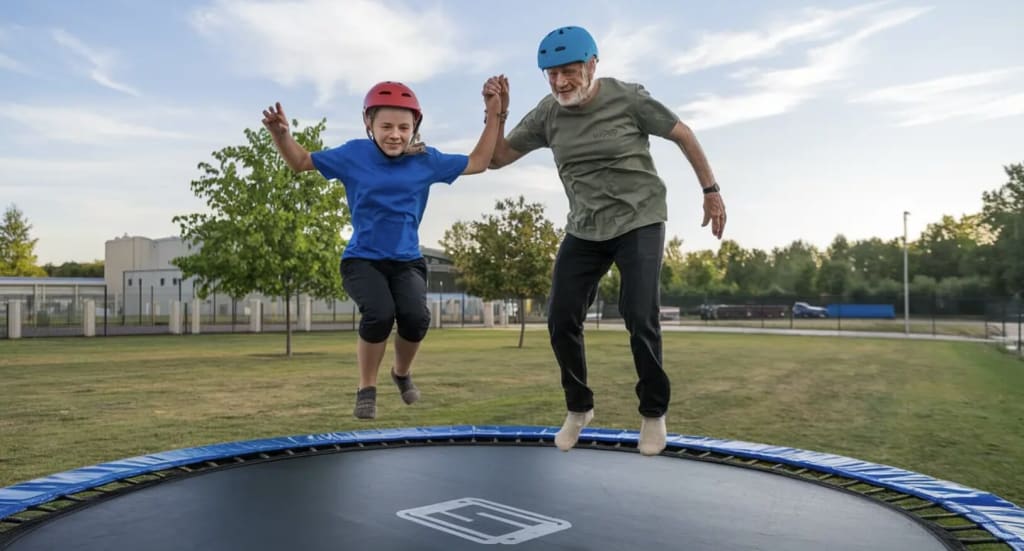
Who says trampolines are just for kids? They’re actually a brilliant way for seniors to stay active and have a little fun at the same time. A trampoline workout—sometimes called rebounding—can do wonders for your balance, keep your joints happy, and even give your heart a nice little boost without feeling like you’re working too hard. Plus, let’s face it, bouncing around is just plain enjoyable, no matter what age you have.
If you’re thinking about getting into trampolining, the first step is finding the right one for you. There are so many options out there—round, rectangular, flat-to-the-ground—you name it. And depending on your space and what you want to do, one type might suit you better than another. But don’t worry, it’s not as complicated as it sounds.
With the right trampoline and some simple exercises, this can be a game-changer for staying active and feeling good. It’s not just about fitness; it’s about doing something that puts a smile on your face. Let’s get into it and get booouncing!
Choosing the Right Trampoline for You
Picking a trampoline might sound straightforward, but there’s more to it than just grabbing the first one you see. The shape and style you go for can make a big difference in how comfortable and safe it feels to use. For starters, round trampolines are the most common and tend to keep you bouncing in the center, which is great for beginners or anyone a bit nervous about balance. Rectangular trampolines, on the other hand, give you a more controlled bounce and are often preferred by those who want more flexibility for exercises. If you’re short on space, an oval trampoline can be a nice compromise, offering a good mix of control and compactness.
Then there’s the question of setup. Flatground trampolines sit flush with the ground, making them super easy to step onto—no climbing required. Inground models are slightly elevated but still less of a hassle than traditional above-ground designs. If mobility is a concern, these options can make getting on and off much easier. Just keep in mind the amount of work required to install an inground or flatground model.
Consider the surface beneath your trampoline. A grassy patch is soft and forgiving, while a concrete base might need extra padding for safety. Taking a bit of time to pick the right one will help you feel secure and ready to enjoy bouncing without worry.
Read more about - Which trampoline to get for seniors
Why Trampolining Is Perfect for Seniors
Bouncing on a trampoline might seem like a young person’s activity, but it’s surprisingly good for older adults too. The best part? It’s very easy on your joints compared to many other sports. Unlike running or other high-impact exercises, trampolining absorbs most of the shock, so your knees, hips, and back don’t take a beating. This makes it a perfect option for staying active without worrying about pain or injury.
Another big perk is how it helps with balance and coordination. As you bounce, your body has to constantly adjust to stay upright, which strengthens those smaller stabilizing muscles that are so important for preventing falls. Even gentle bounces can work wonders for your core strength and posture, making everyday movements feel smoother.
It’s also a great way to get your heart pumping without overdoing it. Whether you’re just gently bouncing or doing simple moves like jogging in place, you’re improving your cardiovascular health. And let’s not forget the mental benefits—there’s something about the motion that just makes you feel lighter, both physically and emotionally. It’s like your body and mind are in sync, shaking off stress with every bounce.
A Few Simple Exercises to Get You Started
If you’re new to trampolining, starting with some easy moves is the way to go. You don’t have to do flips or jumps—just gentle, controlled movements can give you all the benefits. Start with a basic bounce: stand in the center, keep your knees slightly bent, and let the trampoline do the work. You don’t even have to leave the mat; the slight up-and-down motion is enough to engage your muscles and improve your balance. For many seniors, just keeping the balance on the trampolin mat can be hard enough.
Once you’re comfortable, try marching in place. Lift one knee at a time while swinging your arms for balance. This is a great way to get your blood flowing without putting stress on your joints. For a bit more challenge, add some side-to-side steps. Simply step your feet out to the edges and then back to the center—this gets your coordination working while keeping things low-impact.
If you’re feeling confident, you can move on to light bouncing jacks. Start with your feet together, and as you bounce, spread your legs apart like a jumping jack, then bring them back together. It’s an excellent way to build strength and get your heart rate up. Remember to always listen to your body and stop if anything feels uncomfortable. The key is to keep things fun and manageable!
Staying Safe While Using the Trampoline
Safety is the most important thing when it comes to trampolining, especially as a senior. The good news is that with a little preparation and awareness, you can minimize risks and enjoy the activity without worry. Start by ensuring your trampoline is set up on a stable surface. If it’s wobbly or uneven, it could make bouncing unpredictable, so take the time to secure it properly. If you’re using an inground or flatground trampoline, double-check that the edges are flush with the ground to avoid tripping hazards.
Buying a trampoline with safety features like a sturdy handrail or a surrounding net is also a good idea. A handrail can help you maintain balance, especially if you’re trying out new moves or just starting out. Nets, on the other hand, prevent accidental falls and give you peace of mind while bouncing.
Wearing proper footwear—or going barefoot—can also make a difference. Slippery shoes or socks might throw off your balance, so stick to grippy, secure options. Lastly, take things at your own pace. Warm up with gentle movements before trying anything more challenging, and always be mindful of how your body feels. As they say - a safe session is a fun session.
Making Trampolining a Regular Part of Your Routine
Like any form of exercise, the real benefits of trampolining come when you make it a consistent part of your week. The beauty of this activity is that it’s easy to fit into even the busiest schedule—just 10 or 15 minutes a day can make a difference. The key is to start small and build a routine that works for you.
One way to stay consistent is to treat your trampoline time like an appointment. Set aside the same time each day or a few days a week, so it becomes a habit. Morning bounces can help wake you up and energize your day, while an evening session is perfect for unwinding and relieving stress.
You can also mix it up to keep things interesting. Alternate between light bouncing, strength-building exercises, and stretches to target different areas of your body. If you enjoy music, create a playlist of your favorite upbeat songs to bounce along to—it makes the time fly by and keeps you motivated.
Don’t forget to celebrate your progress. Whether it’s noticing that you feel steadier on your feet or that you’re able to bounce a little higher than before, those small wins add up. Making trampolining a regular part of your routine isn’t just about staying active—it’s about feeling good, inside and out.
Bounce Into a Healthier, Happier You
Trampolining as a senior isn’t just a fun way to stay active—it’s a fantastic way to boost your overall well-being. From improving balance and joint health to lifting your spirits, the benefits go far beyond the physical. By choosing the right trampoline, starting with simple exercises, and taking steps to stay safe, you can turn this playful activity into a regular part of your routine.
What makes trampolining special is how it combines fitness with joy. It’s not about pushing limits or following strict rules—it’s about moving your body in a way that feels good and keeps you smiling. Whether you’re bouncing gently for a few minutes or trying out new moves, every session is a step toward better health and more energy.
So, set up your trampoline, take it at your own pace, and enjoy the journey. With a little consistency and care, you’ll find that this simple activity can make a big difference in how you feel—both physically and mentally. Happy bouncing no matter what your age is!
About the Creator
Peter Springer
Fitness trainer and gymnast. Been working for several years with Airtracks and trampolines. I was even training for the olympics but due to an injury I had to give up those plans. Now I just enjoy working with sport and fitness.
Keep reading
More stories from Peter Springer and writers in 01 and other communities.
Choosing the Perfect Backyard Trampoline
Finding the right trampoline for your backyard can be quite challenge for many people, but with a little research, you can make a choice that fits your needs perfectly. The size, safety features, quality, and aesthetics are all important factors to consider before making your decision. I am now on my 3rd trampoline in my backyard and finally I have found one that suits all my needs.
By Peter Springerabout a year ago in 01


Comments