
How to Commission a Concrete Pump with Mixer for Sale on Site
Aimix Concrete Pumping Solution

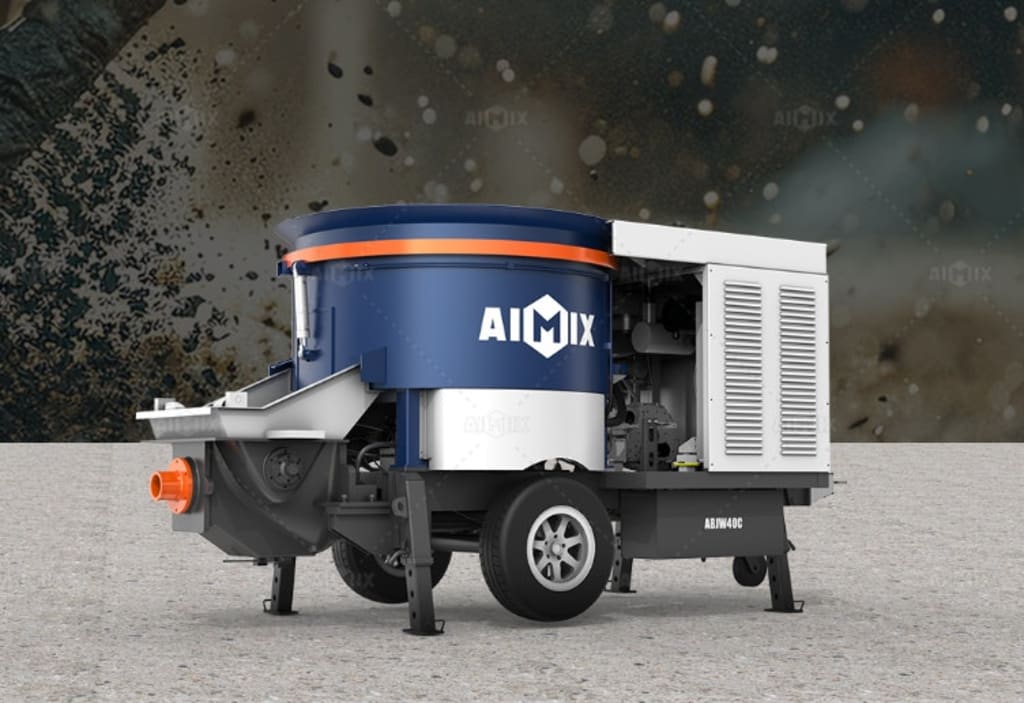
Commissioning a concrete pump with mixer for sale is a critical phase in ensuring that your equipment is ready for efficient operation on a construction site. Proper commissioning not only ensures safety but also helps optimize the performance of the concrete pump and mixer combination, extending its lifespan and improving the quality of concrete delivery. In this guide, we’ll walk through the steps and best practices for commissioning a concrete pump with mixer for sale on site.
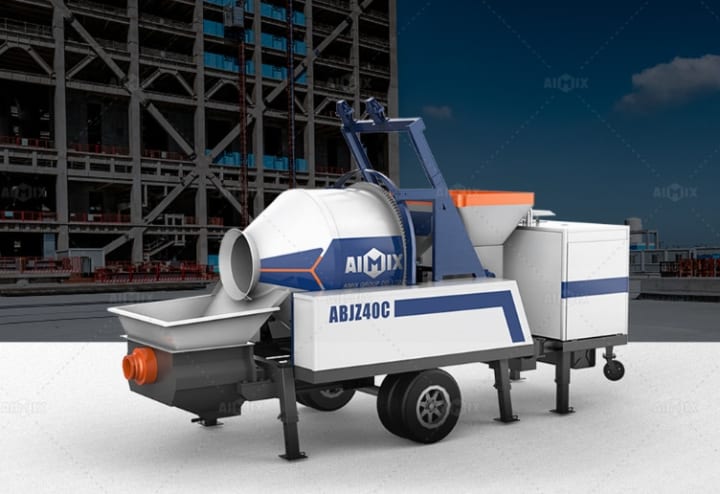
Pre-Commissioning Preparations
Before you start commissioning the concrete pump with mixer, several important preparations must be made to ensure smooth and safe operation.
Inspect the Equipment
Start by performing a detailed inspection of both the concrete pump and mixer components. Ensure that all parts are correctly assembled according to the manufacturer’s guidelines. Check for any visible damage during transport or handling. Look for any loose bolts, oil leaks, or missing parts. Common elements to inspect include:
Hydraulic and fuel systems
Electrical components and wiring
Hoses and nozzles
Paddles, blades, and other mixing parts
Pneumatic systems, if applicable
Ensure that any parts requiring lubrication or maintenance (e.g., pumps, gears) have been properly serviced and are ready for operation.
Check Power Supply
Verify that the equipment is compatible with the power supply on site. If you’re using an electric concrete pump with mixer, make sure the voltage and amperage match the site’s power specifications. For diesel-powered models, check the fuel levels and quality, ensuring there is enough to run the system for a full shift.
Site Layout and Setup
Ensure that the equipment is placed on a stable and level surface. This helps to avoid the pump tipping over or excessive wear during operation. The distance between the concrete pump with mixer and the site’s pour area should be evaluated for hose length and accessibility.
Connect the Components
Once the equipment is set up and the site is prepared, it’s time to connect the necessary components.
Hose and Pipe Connections
Connect the discharge pipes or hoses to the pump’s output and ensure they are securely fastened. Make sure the hoses are not twisted, kinked, or damaged in any way, as this can affect the flow of concrete. The hoses should be compatible with the pump’s capacity and specifications.
Water Supply
For a concrete pump with mixer, water is typically used both for mixing the concrete and for cleaning the system after use. Ensure that a clean, reliable water supply is connected to the pump. This is especially crucial for mixer pumps, as consistent water levels are required for optimal concrete mixing.
Electric or Diesel Power Source
For electric models, connect the power cord to the appropriate outlet. For diesel-powered pumps, check that the fuel tank is full and that the engine is ready to start. If the pump includes a backup generator, ensure that it’s operational and fueled as well.
Initial System Testing
Before putting the concrete pump with mixer into full operation, an initial system test is necessary. This will help identify any issues before actual pumping begins.
Start the Engine
Start the engine and let it idle for a few minutes to ensure that it runs smoothly. Monitor the engine’s temperature and pressure gauges during this period. This ensures that the pump is operating at the correct temperature and pressure levels.
Test the Mixer
For the mixer part of the concrete pump, run the machine with an empty drum to check for any unusual noises or vibrations. This test will also help ensure that the mixing paddles or blades are properly aligned and functioning.
Test the Concrete Pump
Perform a brief test of the pumping mechanism by running water or slurry through the system. Observe how the material flows through the hoses. Make sure the pump maintains consistent pressure and that the concrete mixture is being delivered effectively. Check for blockages or leaks along the pipes or hoses.
Monitor Hydraulic Systems
If your concrete pump with mixer uses hydraulics, it’s essential to check the hydraulic system for leaks, unusual sounds, or pressure drops. Inspect hoses, cylinders, and valves carefully. If any hydraulic parts are not functioning correctly, shut the system down and address the issue before further use.
Test with Concrete Mix
After the initial testing, it’s time to prepare a small batch of concrete for mixing and pumping. Use the recommended mix design for your project, and follow the manufacturer’s guidelines for mixing proportions.
Prepare the Concrete Mix
Load the ingredients into the mixer, including cement, aggregates, and water, according to the mix specifications. Run the mixer for a few minutes to ensure a uniform and consistent mixture.
Pump the Concrete
Once the concrete is properly mixed, begin pumping the material to the designated location. Observe the concrete flow and check the entire system for leaks, blockages, or pressure issues. Make adjustments to the flow rate or pressure as needed. Keep an eye on the hose and nozzle, ensuring that the concrete is being sprayed or placed where it is needed.
Monitor the Output and Consistency
During the operation, continually monitor the output of the pump and ensure that the concrete consistency meets the required standards. If the concrete mixture becomes too thick or too thin, adjust the water content or the mixing process accordingly.
Addressing Issues During Commissioning
During commissioning, it’s possible to encounter a few issues, especially if the equipment is newly installed or hasn’t been operated for some time. Here are some common problems and how to address them:
Clogging or Blockages
Clogging is one of the most common issues with concrete pumps with mixers. If the mix is too dry or contains large aggregate, it may block the pump or hoses. To prevent this, ensure the mix has the correct consistency, and periodically clean the system to avoid blockages.
Hydraulic or Engine Issues
If the engine or hydraulic system isn’t working correctly, check for leaks or low fluid levels. Consult the manufacturer’s troubleshooting guide for specific solutions to engine or hydraulic issues.
Pressure Irregularities
If the concrete isn’t being pumped at the correct pressure, check the pressure relief valves and the pump’s settings. You may need to adjust the system settings based on the type of concrete mix and the application.
Routine Maintenance During Commissioning
As you commission the mixing concrete pump for sale, it’s essential to perform regular maintenance to ensure smooth operation throughout the project.
Lubrication and Cleaning
Regularly lubricate moving parts and clean the mixer drum and pump components after each use. Cleaning prevents the build-up of hardened concrete, which can cause significant wear and reduce pump efficiency.
Inspect Wear Components
Parts such as the pump piston, hoses, and wear plates should be checked frequently for signs of wear. Replace these components as needed to avoid equipment failure during the project.
Final Testing and Verification
Once the commissioning process is complete and the system is operating smoothly, perform a final verification to ensure that everything is functioning as expected. Check all gauges, components, and hoses for signs of leaks, pressure drops, or irregularities.
Commissioning a concrete pump with mixer for sale on-site requires attention to detail and a systematic approach to ensure everything runs smoothly. From initial inspections and equipment setup to testing with concrete mix and addressing potential issues, the commissioning process is vital for ensuring optimal performance and safety. By following the outlined steps, you can maximize the efficiency of your concrete pump with mixer, ensuring that your project stays on schedule and within budget. Regular maintenance, proper handling, and professional commissioning practices will also help extend the lifespan of your equipment, making it a valuable investment for the long term.
About the Creator
consrtuctionmachines
AIMIX is a customer-center-oriented heavy equipment manufacturer and supplier, devoted to production, innovation, combination, one-stop solution, etc.
https://aimixgroup.com/
Keep reading
More stories from consrtuctionmachines and writers in 01 and other communities.
Tips for Using Small Concrete Pumps in Small Operating Areas
Small concrete pumps are a valuable tool for construction projects with limited space. Their compact design and mobility make them ideal for pouring concrete in areas where traditional larger pumps cannot operate efficiently. However, using small concrete pumps in confined spaces comes with its own set of challenges. To ensure safety, efficiency, and optimal results, here are some essential tips for using small concrete pumps in small operating areas.
By consrtuctionmachinesabout a year ago in 01
Boosting Oracle Fusion Performance with AI-Enhanced Data Insights
In the digital era, data is one of the most valuable assets a business can possess. As companies continue to rely on cloud-based ERP systems like Oracle Fusion to streamline their operations, the integration of AI-powered data insights has become a game-changer. With AI agents for Oracle Fusion, businesses can unlock deeper, more actionable insights from their data, driving better decision-making and improving overall performance.
By Rchilli Inc4 days ago in 01
How SEO Helps Small Businesses Compete with Big Brands
Imagine you own a small business and have just launched a well-designed website. Your products are good, your services are reliable, and your pricing is competitive. Yet when you search for your industry on Google, the first page is dominated by large brands. Their names appear everywhere, making it seem almost impossible for a smaller business to gain visibility.
By Henry Davids5 days ago in 01


Comments
There are no comments for this story
Be the first to respond and start the conversation.