
Tips for Using Small Concrete Pumps in Small Operating Areas
Aimix Concrete Pumping Solution

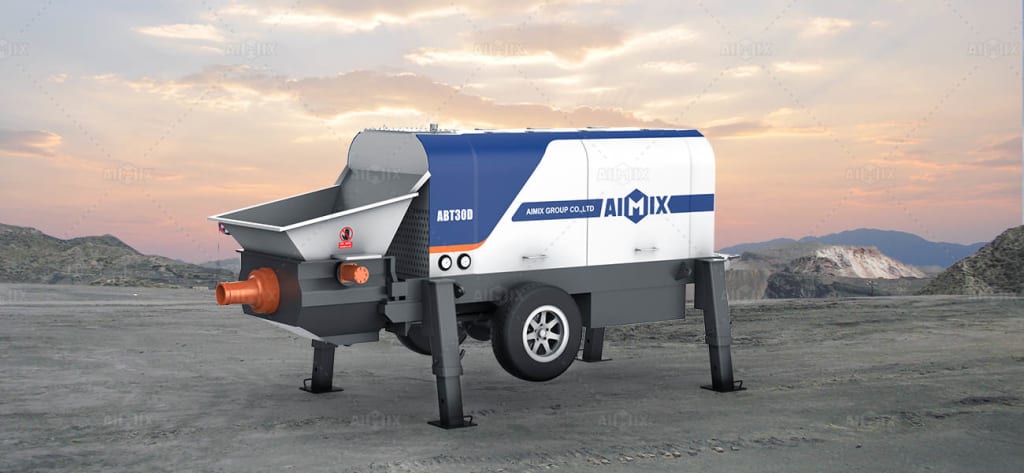
Small concrete pumps are a valuable tool for construction projects with limited space. Their compact design and mobility make them ideal for pouring concrete in areas where traditional larger pumps cannot operate efficiently. However, using small concrete pumps in confined spaces comes with its own set of challenges. To ensure safety, efficiency, and optimal results, here are some essential tips for using small concrete pumps in small operating areas.
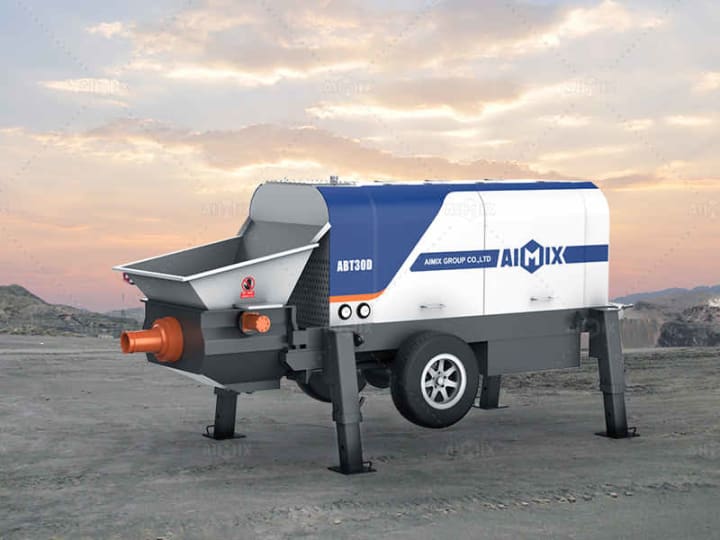
Understand the Site Requirements
Before bringing a small concrete pump to a job site, evaluate the specific requirements of the area:
Space Constraints: Measure the available space to ensure the pump can be maneuvered and positioned effectively.
Concrete Volume: Determine the amount of concrete required for the task and ensure the pump’s capacity aligns with the project needs.
Surface Conditions: Check the ground stability and ensure it can support the pump’s weight during operation.
Choose the Right Small Concrete Pump
Not all small concrete pumps are the same. Selecting the appropriate model can make a significant difference in confined spaces:
Trailer Pumps: Ideal for sites with narrow access points and longer-distance pouring needs.
Mixer Pumps: These combine mixing and pumping, reducing the need for additional equipment.
Electric or Diesel: Choose an electric pump for indoor projects where emissions and noise are concerns, while diesel pumps are suitable for outdoor use with reliable power.
Plan for Easy Access
Ensure the pump can be positioned close to the pouring site:
Use lightweight and portable models that can be moved through tight pathways or doorways.
If access is severely restricted, consider using an extended pipeline to transport the concrete from the pump to the pouring area.
Create a clear path for transporting materials to minimize delays.
Prepare the Pipeline Layout
Proper pipeline setup is crucial for efficient concrete delivery:
Avoid Sharp Bends: Too many bends in the pipeline can increase resistance, leading to blockages.
Use Appropriate Length: Select a pipeline length that suits the distance without unnecessary extensions.
Check for Leaks: Inspect the pipeline for wear and ensure all connections are secure.
Maintain Cleanliness on Site
Working in a small area requires strict cleanliness to avoid unnecessary risks:
Remove debris and obstacles around the pump to ensure smooth operation.
Clean the pipeline and pump thoroughly before and after each use to prevent concrete buildup.
Use plastic sheets or barriers to protect the surrounding area from accidental spills.
Monitor Concrete Mix Consistency
Using a small concrete pump in confined spaces demands consistent concrete flow:
Avoid overly thick or thin mixtures, as they can lead to blockages or uneven pouring.
Consult the pump’s user manual for guidelines on the optimal concrete mix.
Use additives to improve pumpability if the mix tends to clog.
Ensure Proper Ventilation
For indoor projects or enclosed spaces, ventilation is critical:
Use electric small concrete pumps to minimize exhaust emissions.
Set up fans or open windows to ensure adequate airflow and prevent the buildup of fumes.
Monitor air quality to ensure a safe working environment for operators and workers.
Train the Operators
Skilled operators are essential for efficient and safe use of small concrete pumps in restricted spaces:
Train operators on how to maneuver and position the pump in tight areas.
Ensure they understand the equipment's controls and troubleshooting procedures.
Provide safety training, including handling emergencies and avoiding hazards.
Focus on Safety
Safety should be a top priority when using small concrete pumps in confined spaces:
Use PPE: Ensure workers wear protective gear, including helmets, gloves, and safety glasses.
Follow Load Limits: Never exceed the pump’s rated capacity, as it can lead to equipment failure.
Secure the Equipment: Stabilize the pump with appropriate supports or outriggers to prevent tipping.
Watch for Overhead Hazards: Be mindful of power lines or low-hanging obstacles when setting up the pump.
Schedule Regular Maintenance
To ensure the small concrete pump operates efficiently, adhere to a strict maintenance schedule:
Inspect key components such as the hopper, valve system, and hydraulic systems regularly.
Lubricate moving parts to minimize wear and tear.
Replace worn-out parts promptly to avoid breakdowns during operation.
Optimize Workflow
Efficient coordination of activities ensures smooth operations in small spaces:
Plan the sequence of tasks to minimize idle time for the pump.
Assign roles to workers for operating the pump, handling pipelines, and overseeing safety.
Maintain open communication between the pump operator and the concrete pouring team.
Monitor Progress Closely
Keep track of the pumping process to address issues as they arise:
Monitor the flow rate and adjust settings to ensure a steady and consistent pour.
Watch for signs of blockages or equipment strain and take immediate action if needed.
Communicate regularly with workers to ensure the project stays on track.
Leverage Manufacturer Support
Manufacturers often provide valuable resources for small concrete pump users:
Refer to the user manual for guidelines on operation and maintenance.
Reach out to the manufacturer’s support team for technical assistance or spare parts.
Attend training sessions or workshops offered by the manufacturer to enhance your skills.
Using small concrete pumps in small operating areas can be highly efficient when proper planning, operation, and maintenance practices are followed. By understanding site requirements, selecting the right equipment, and prioritizing safety, you can achieve smooth and successful concrete pumping even in the most confined spaces. With these tips, businesses can maximize productivity, minimize risks, and ensure optimal performance from their small concrete pumps.

About the Creator
consrtuctionmachines
AIMIX is a customer-center-oriented heavy equipment manufacturer and supplier, devoted to production, innovation, combination, one-stop solution, etc.
https://aimixgroup.com/
Keep reading
More stories from consrtuctionmachines and writers in 01 and other communities.
How to Deal with Mobile Concrete Mixer Transportation Process Mixing Cylinder Can Not Rotate
Transporting a mobile concrete mixer can sometimes present challenges. One common issue is the mixing cylinder not rotating during transportation. This problem can lead to delays and affect the quality of the concrete. In this blog, we will discuss how to deal with this issue effectively. By following these steps, you can ensure smooth transportation of your mobile concrete mixer and maintain the quality of your concrete.
By consrtuctionmachinesabout a year ago in 01
AI Development Company: How to Choose the Right Partner
Artificial intelligence is transforming how businesses operate, compete, and deliver value. From predictive analytics and automation to intelligent customer interactions, AI-driven systems are no longer optional for companies that want to stay ahead. However, successful implementation depends heavily on choosing the right partner. Selecting an AI Development Company is not just a technical decision—it is a strategic investment that can shape your organization’s future.
By Aarti Jangid5 days ago in 01
Belitsoft Introduces 2026 Guide on How to Select the Best Pricing Model by IT Project Type
The Belitsoft software development outsourcing company has looked into the most common ways to set prices. The decision has a direct effect on the project's risk, flexibility, and potential return on investment for both new and old businesses.
By Dmitry Baraishuk6 days ago in 01
A Historic Declaration
We the People of the Husbands of the United States of America, in Order to form a more perfect Union, and I mean you...with me...establish Justice, insure domestic Tranquility, provide for the common defence, promote the general Welfare, and secure the Blessings of Liberty to ourselves, after Puberty, do ordain and establish this Declaration of Co-Dependence.
By Gerard DiLeo4 days ago in Humans



Comments
There are no comments for this story
Be the first to respond and start the conversation.