
How Technology Is Changing The Real Estate Industry?
Explore how new tech is transforming the way we buy, sell, and manage property. See the future of real estate in action.

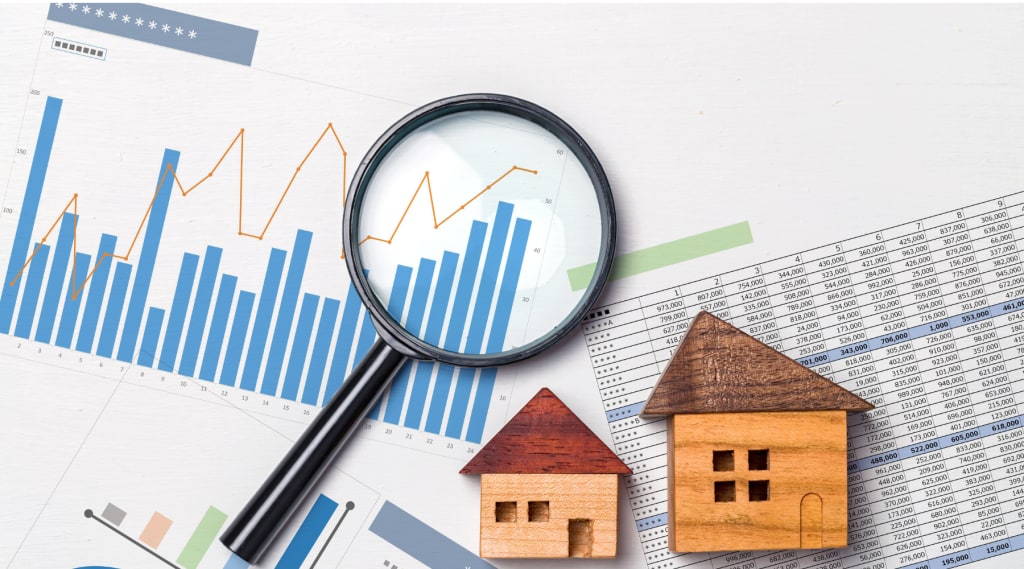
The real estate industry, once defined by paperwork, face-to-face negotiations, and time-consuming processes, is undergoing a digital revolution. But how technology is changing the real estate industry?
Technology is transforming every sector aspect, from how properties are marketed and sold to how buyers and tenants make decisions. Tools like virtual reality (VR) allow prospective buyers to take immersive property tours from the comfort of their homes.
At the same time, artificial intelligence (AI) analyzes market trends to help investors make smarter decisions. Additionally, blockchain technology streamlines transactions by ensuring secure and transparent property deals.
With innovations like smart home technology, big data analytics, and online property platforms, technology makes real estate faster, smarter, and more accessible.
Will Realtors Be Replaced By Technology?
It’s a question that’s been buzzing around for a while: Will realtors be replaced by technology? The short answer? Not entirely.
While technology changes the game, realtors bring something that tech can’t replicate: personal connections, local expertise, and the human touch.
Sure, tools like virtual tours, AI-driven property suggestions, and online platforms make buying or selling a home easier and faster. But at the end of the day, real estate is still a deeply personal process.
Buying a home is often the biggest financial decision people make, and most folks want someone they trust to guide them through it, answer their questions, and negotiate the best deal.
So no, technology isn’t here to take away the job.
It’s here to make it smarter and more efficient. The best realtors will always be the ones who know how to blend technology with a personal touch.
How Technology Is Changing The Real Estate Industry?
Technology is rapidly transforming the real estate industry, making it more efficient, accessible, and data-driven. Here's how:
Virtual Tours and Augmented Reality
Virtual reality (VR) and augmented reality (AR) have revolutionized how buyers and renters experience properties. These technologies allow potential buyers to take 3D virtual tours of homes, eliminating the need for in-person visits.
Buyers can explore homes in detail, walk through rooms, get a feel for the layout, and even experience different lighting and furniture arrangements, all from the comfort of their homes.
This not only saves time for both buyers and sellers but also expands the buyer pool, as clients from other cities or even countries can view properties without being physically present. The technology is also used to stage homes virtually, giving buyers a better idea of how spaces can be utilized.
AI and Machine Learning
Artificial intelligence (AI) and machine learning make predicting market trends and evaluating property values easier. AI algorithms analyze vast amounts of data, such as previous sales, neighborhood trends, and economic indicators, to provide more accurate property valuations.
These technologies can also offer personalized recommendations for buyers based on their preferences, location, and budget. For example,
AI tools can help realtors identify potential clients and send them properties that closely match their interests. In turn, this makes the buying and selling process much more efficient. Machine learning is also used to detect patterns in buyer behavior, helping agents create more effective marketing strategies.
Blockchain Technology
Blockchain technology transforms real estate transactions by offering secure, transparent, and efficient processes. Traditionally, property transactions involve many intermediaries, including banks, lawyers, and title companies.
Blockchain simplifies this by storing transaction data in a decentralized, immutable ledger. This reduces fraud risks, minimizes the need for paperwork, and speeds up the transaction process.
Blockchain also allows for smart contracts, which automatically execute when certain conditions are met. It makes transactions faster and more reliable. This technology is particularly beneficial in international property deals, simplifying cross-border payments and ensuring transparency.
Smart Home Technology
Smart home devices are becoming an increasingly important selling point in the real estate industry. These devices, include thermostats, lights, security cameras, and voice-controlled systems. It allow homeowners to have more control over their living environment.
Homes equipped with smart technology are often seen as more modern and desirable, increasing their value. Realtors use smart home features to appeal to tech-savvy buyers looking for convenience, energy efficiency, and security.
With the growing popularity of the Internet of Things (IoT), many homes now come pre-equipped with smart devices and smart home installations are seen as an investment that can improve both comfort and resale value.
Big Data and Analytics
Big data has become a crucial tool in the real estate industry, enabling agents and investors to make more informed decisions. Real estate professionals can identify patterns and predict market shifts by collecting and analyzing vast amounts of information—from demographic trends to housing market data.
Big data allows agents to price properties accurately based on comparable sales, neighborhood trends, and demand forecasts. It also helps investors find the best opportunities by identifying emerging markets and areas of growth.
Analytics tools can also help predict which properties are likely to appreciate, providing investors with valuable insights for making smarter investments.
Online Property Platforms
Online property platforms like Zillow, Realtor.com, and Redfin have changed how people search for homes. These websites provide potential buyers and renters with detailed property listings, photos, virtual tours, and neighbourhood insights. Users can filter properties by price, location, size, and features.
It makes finding a home that suits their needs easier than ever. Many platforms offer home value estimators, letting sellers and buyers gauge market prices.
Communication between buyers, sellers, and agents is happening more quickly and efficiently through these platforms, making transactions faster and more convenient.
Automation and CRM Systems
Customer relationship management (CRM) systems and automation tools transform how real estate agents manage their clients. These tools help agents track leads, schedule appointments, and automate tasks like email marketing and follow-up messages.
By simplifying these processes, agents can spend more time building client relationships and closing deals. CRM systems also store important client data, such as preferences and past interactions, helping agents provide more personalized service.
Automation tools can help agents analyze market trends and adjust their strategies in real time, allowing for a more efficient and data-driven approach to selling and buying.
Conclusion
Technology is revolutionizing the real estate industry, making it faster, smarter, and more accessible. From virtual tours and AI-driven insights to blockchain technology and smart homes, innovations transform how properties are bought, sold, and experienced. So we have to do it too.
But you can’t do it alone and don’t have to. We will help you do that. While realtors' roles may evolve with these technological advancements, they remain invaluable for their personal touch, local expertise, and the ability to build client trust.
The future of real estate lies in the synergy between technology and human connection. Let’s make a call and make it happen.
About the Creator
Everette Farmer
Everette Farmer, Global Chief Officer of Remote Workforce Innovation, is a senior Program Manager with 10+ years of experience in IT operations and project management.
Keep reading
More stories from Everette Farmer and writers in 01 and other communities.
Mobile App Development Costs Seattle Companies Need to Know
It usually happens in a quiet conference room or at a kitchen table turned into an office. A Seattle business leader studies a proposal and feels conflicted. The number makes sense on paper. It fits the spreadsheet. Yet something about it feels incomplete.
By Mary L. Rodriqueza day ago in 01
Migrate from G Suite to Office 365 While Preserving Metadata & Permissions
With the growing business size, the storage and resource requirements also start to evolve. Several aspiring businesses migrate from Google Workspace to Office 365 to access advanced collaboration and communication tools. Google Workspace and Office 365, both are feature-rich SaaS platforms, designed to boost the efficiency of business operations. However, they are still quite different from each other and can experience challenges during the shift.
By Xanthe Clay2 days ago in 01



Comments
There are no comments for this story
Be the first to respond and start the conversation.