
How Tech Is Transforming DTC Fulfillment for Better Customer Experience
Learn how technology is changing DTC fulfillment by increasing customer satisfaction, speed, and accuracy.

Customer expectations are higher than ever in the cutthroat eCommerce market of today. These days, quick shipping, precise tracking, real-time updates, and faultless delivery experiences are necessities rather than extras. The way fulfillment is managed is crucial to meeting these expectations for Direct-to-Consumer (DTC) brands.
Today, technology serves as the foundation for direct-to-consumer fulfillment, changing how companies handle logistics, interact with consumers, and grow without sacrificing quality. We'll look at how technology is changing DTC fulfillment services in this blog and what that implies for customers and businesses in 2025.
1. Real-Time Inventory Management: No More Overselling
One of the most significant pain points in fulfillment is inventory inaccuracy. With outdated or manual systems, businesses risk overselling products they no longer have, leading to canceled orders and disappointed customers.
Modern DTC fulfillment systems now use real-time inventory tracking, syncing stock levels across all sales channels. Whether you sell via your own website, Amazon, or marketplaces, tech-driven fulfillment ensures stock visibility 24/7. This prevents overselling, improves forecasting, and gives customers confidence that what they see is actually available.
2. Faster, Smarter Order Routing
Fulfillment in the modern day involves more than just shipping every item from one warehouse. It all comes down to clever order routing, which minimizes shipping expenses and delivery times by selecting the fulfillment location nearest to the consumer.
The most effective path for every order is determined by advanced logistics platforms using location data and artificial intelligence. This results in increased customer satisfaction, reduced shipping costs, and same-day or next-day delivery options—all crucial for building a devoted DTC clientele.
Companies like EcomLabs Logistics integrate these intelligent routing features into their DTC fulfillment service, helping brands optimize shipping without sacrificing speed or reliability.
3. Automated Picking and Packing for Accuracy and Speed
In tech-enabled fulfillment centers, automation is replacing manual labor for repetitive tasks. Robots and barcode scanners are now used for picking, packing, and labeling, significantly reducing human error and processing time.
For the customer, this means fewer wrong items, faster dispatch, and better packaging presentation—key elements that shape their first impression of a brand.
Automated packing also allows for branded unboxing experiences, helping DTC brands maintain a consistent brand identity and delight customers right at their doorstep.
4. Predictive Analytics and Demand Forecasting
Technology doesn’t just help with current orders—it also prepares you for the future. Predictive analytics tools study past order history, seasonal trends, and customer behavior to help brands anticipate demand spikes and slow periods.
This means fewer stockouts, less overstock, and smarter purchasing decisions. By planning ahead, DTC brands can deliver consistently and avoid the delays that frustrate customers.
Fulfillment partners like EcomLabs Logistics use data-driven strategies to align stock levels with projected demand, ensuring smoother operations and fewer last-minute surprises.
5. Seamless Integration with E-Commerce Platforms
Gone are the days of manually copying orders between systems. Today’s DTC fulfillment services offer direct API integrations with major eCommerce platforms like Shopify, WooCommerce, Magento, and Amazon.
These integrations allow automatic order syncing, shipping updates, and inventory adjustments, keeping both the brand and the customer informed at every step. With one unified dashboard, brands can manage fulfillment, track performance, and respond to issues quickly.
For customers, this results in timely order confirmations, accurate delivery estimates, and real-time tracking—all of which enhance trust and boost repeat purchases.
6. Real-Time Customer Communication and Transparency
Thanks to tech, customers now receive live updates on their orders—from the moment it’s packed to when it’s delivered. Fulfillment systems now offer:
- Real-time tracking links
- SMS/email delivery alerts
- Delay notifications
- Easy-to-access return portals
This level of transparency builds customer trust and reduces support queries. When shoppers feel informed, they’re more likely to return—and recommend your brand.
7. Smart Returns Management
Returns are common in eCommerce, particularly for direct-to-consumer (DTC) fashion, leisure, and health firms. By providing clients with pre-paid labels, return tracking, and, in certain situations, quick refunds, today's technological technologies streamline the return procedure.
Simplified return processing also enables companies to recycle or restock items more quickly, cutting waste and enhancing sustainability—two factors that consumers are becoming more concerned about.
Conclusion
Technology is the foundation of effective, precise, and customer-focused operations in DTC fulfillment; it is no longer an optional component. Every step of the customer journey is being enhanced by technology, from intelligent routing and predictive analytics to real-time tracking and automation.
Working with a tech-forward fulfillment supplier is crucial for DTC firms trying to grow while maintaining consumer satisfaction. Leading the way are businesses like as EcomLabs Logistics, which provide comprehensive solutions that not only transport goods but also foster loyalty and trust with each shipment. Contact Us
About the Creator
Ecomlabs Logistics
Ecomlabs Logistics is a Houston-based 3PL fulfillment and prep center dedicated to helping eCommerce businesses grow.
Keep reading
More stories from Ecomlabs Logistics and writers in 01 and other communities.
Proven Guide to Using an Amazon FBA Prep Center in 2025
Selling on Amazon has never been more competitive. As more sellers join the platform in 2025, optimizing logistics becomes not just helpful, but essential. One of the most impactful decisions a seller can make is partnering with a reliable Amazon FBA prep service. Whether you're a private label seller, wholesaler, or dropshipper, a prep center ensures your inventory meets Amazon’s strict requirements before it reaches the fulfillment centers.
By Ecomlabs Logistics9 months ago in 01
BigCommerce Theme Development: Key Features to Build a Better User Experience
Have you ever visited an online store that looked good but felt confusing to use? Pages took too long to load, navigation didn’t make sense, or the checkout felt frustrating. In most cases, the problem isn’t the product; it is the theme and how it’s built.
By Henry Davids4 days ago in 01
World War I: The War That Changed the World
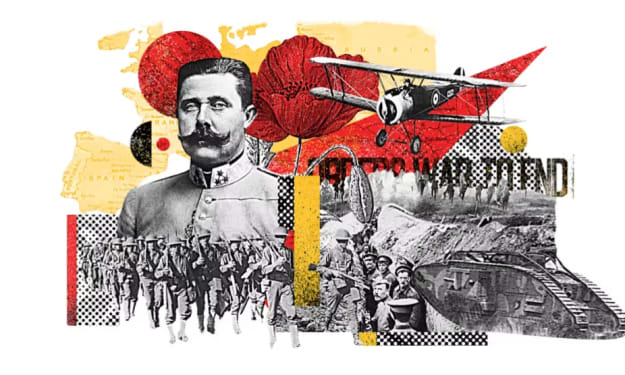
The Spark That Ignited a Global Conflict World War I, also known as the Great War, began in 1914 after the assassination of Archduke Franz Ferdinand of Austria-Hungary in Sarajevo. This single event triggered a web of alliances, militarism, and nationalism that had been building across Europe for decades. What might have remained a regional conflict escalated into a global war involving more than 30 nations.
By Salaar Jamali7 days ago in 01


Comments
There are no comments for this story
Be the first to respond and start the conversation.