
How Stationary Concrete Plants Boost Sustainability in Modern Construction
Enhancing Resource Efficiency and Reducing Environmental Impact in Concrete Production

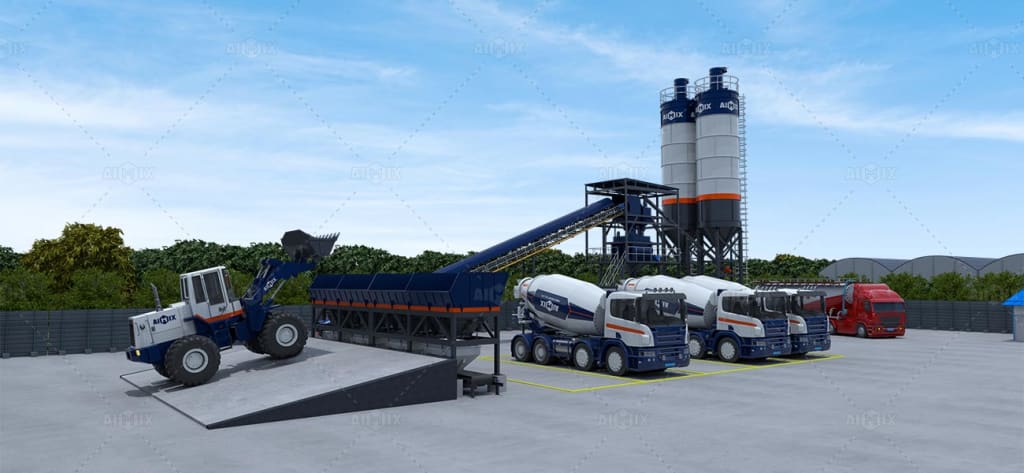
Sustainability has become a central focus in construction as industries worldwide strive to reduce their environmental impact. The need for eco-friendly practices is growing, driven by increasing awareness of climate change, regulatory pressures, and the pursuit of more sustainable business operations. One area where significant improvements are being made is in concrete production. Stationary concrete plants, with their advanced technology and optimized processes, are playing a critical role in helping the construction industry meet sustainability goals.
In this article, we will explore how stationary concrete plants contribute to sustainability in modern construction, focusing on aspects such as resource efficiency, waste reduction, emissions control, and overall environmental impact.
Efficient Use of Resources
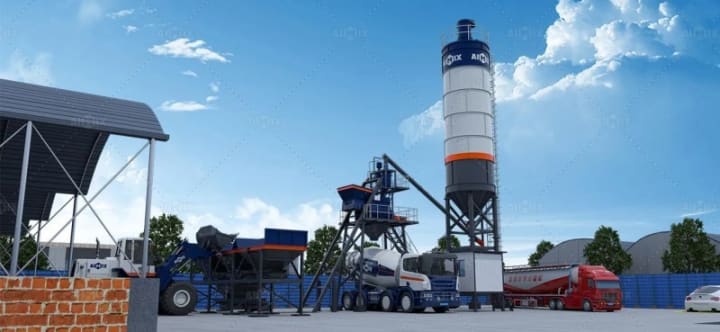
One of the key advantages of stationary concrete plants is their ability to manage resources efficiently. These plants are designed to operate at a large scale, allowing precise control over the amount of raw materials, including cement, aggregates, and water, used in the concrete production process. Automated systems in stationary plants ensure that the exact proportions of these materials are mixed, reducing waste and preventing overuse of resources.
In contrast, mobile or smaller batching plants may struggle to achieve the same level of precision, leading to inefficiencies in material usage. By optimizing resource allocation, stationary concrete plants reduce the demand for raw materials, which translates into fewer environmental impacts associated with resource extraction, such as deforestation, habitat destruction, and water depletion.
Waste Reduction and Recycling
Sustainability in construction is not only about minimizing the use of raw materials but also about reducing waste. Stationary concrete plants excel in this regard by incorporating technologies that recycle materials and reduce the generation of waste.
For example, some stationary plants are equipped with water recycling systems, allowing them to reuse water in the concrete production process. This reduces the need for freshwater, which is a critical concern in regions facing water scarcity. Additionally, concrete that is overproduced or that does not meet project specifications can be repurposed or recycled, rather than being discarded as waste.
The recycling of concrete, aggregate, and water not only conserves natural resources but also decreases the amount of construction waste that ends up in landfills, contributing to a circular economy and helping to reduce the environmental footprint of construction projects.
Energy Efficiency and Lower Emissions
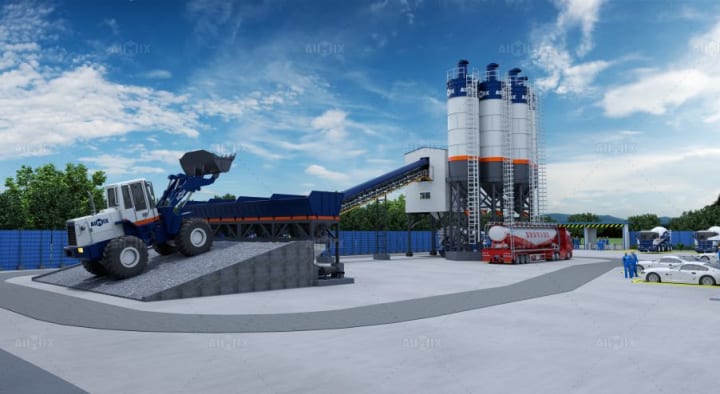
Energy consumption is a significant factor in the environmental impact of concrete production, particularly during cement manufacturing, which is an energy-intensive process. Stationary concrete plants help address this issue by improving energy efficiency through automation, optimized mixing systems, and better operational controls.
Modern stationary plants are designed to minimize energy use by employing advanced mixers that reduce mixing time and energy consumption. Some plants even use renewable energy sources, such as solar or wind power, to offset their carbon emissions. This helps to lower the overall greenhouse gas emissions associated with concrete production.
Moreover, stationary plants are typically located close to major construction sites or urban areas, reducing the need for long-distance transportation of concrete. This not only cuts down on fuel consumption but also decreases the emissions from trucks that would otherwise be required to transport concrete from mobile plants located farther away. If you are interested in knowing more detailed information about stationary concrete batching plants, you can click and check this page now to know more information.
Improved Quality and Longevity of Concrete
Sustainability in construction is also about creating durable, long-lasting structures that reduce the need for frequent repairs or replacements. Stationary concrete plants, with their ability to produce high-quality concrete, contribute to the longevity of infrastructure.
The consistency and precision that stationary plants offer result in stronger, more durable concrete mixes, which can better withstand the rigors of time, weather, and usage. Higher-quality concrete reduces the likelihood of structural failures and the need for maintenance or rebuilding, which in turn conserves resources and energy over the long term.
By producing concrete that lasts longer, stationary plants play a crucial role in reducing the overall lifecycle impact of buildings and infrastructure, supporting a more sustainable built environment.
Compliance with Environmental Regulations
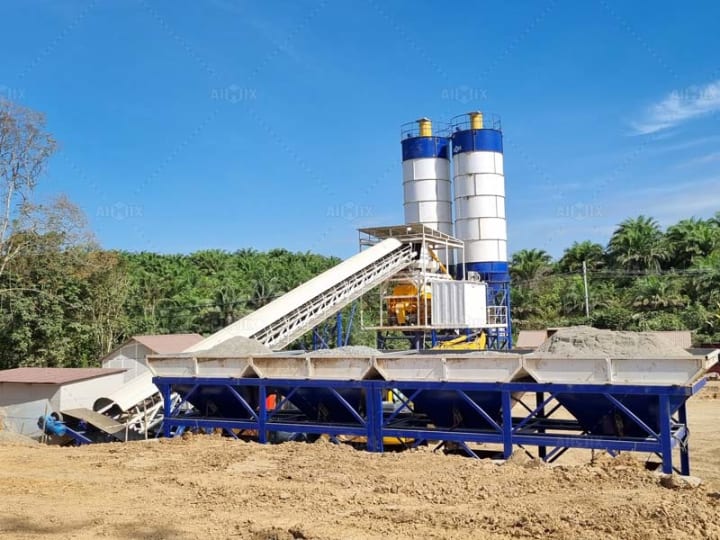
Governments and environmental agencies worldwide are implementing stricter regulations on emissions, waste management, and resource use in construction. Stationary concrete plants are often better equipped than mobile plants to meet these regulations due to their ability to integrate environmental controls and monitoring systems.
For instance, dust and particulate emissions can be a significant concern during concrete production. Stationary plants can implement dust collection systems and enclosed storage facilities to minimize airborne pollutants. They can also monitor emissions levels to ensure compliance with local environmental laws, helping construction companies avoid fines and penalties while maintaining sustainable practices.
Supporting Green Building Certifications
Sustainability certifications such as LEED (Leadership in Energy and Environmental Design) and BREEAM (Building Research Establishment Environmental Assessment Method) are becoming increasingly important in the construction industry. These certifications recognize buildings that meet high environmental standards in energy use, water conservation, waste management, and material sourcing.
By using concrete produced in stationary plants that prioritize sustainability, construction projects can earn points toward achieving these certifications. High-quality, eco-friendly concrete contributes to the overall sustainability rating of a building, making stationary concrete plants a valuable asset for construction companies seeking to enhance their green credentials.
Conclusion
Stationary concrete plants are pivotal in advancing sustainability in modern construction. Through their efficient use of resources, ability to reduce waste, energy-saving technologies, and production of durable concrete, they help lower the environmental impact of building projects. Moreover, by complying with environmental regulations and supporting green building initiatives, these plants are integral to creating a more sustainable construction industry.
As the demand for sustainable infrastructure continues to grow, stationary concrete plants will remain at the forefront of efforts to balance economic growth with environmental stewardship.
About the Creator
consrtuctionmachines
AIMIX is a customer-center-oriented heavy equipment manufacturer and supplier, devoted to production, innovation, combination, one-stop solution, etc.
https://aimixgroup.com/
Keep reading
More stories from consrtuctionmachines and writers in 01 and other communities.
Top Features to Look for When Buying a Portable Batch Plant
Portable batch plants, also known as mobile concrete plants, have become essential for many construction projects, especially those requiring fast, efficient, and on-site concrete production. Whether you're a contractor working on a remote job or a construction company looking to expand your capabilities, choosing the right portable batch plant can significantly impact your project’s success. However, not all portable batch plants are created equal. In this article, we’ll explore the top features to consider when purchasing one to ensure you make the best decision for your specific needs.
By consrtuctionmachinesabout a year ago in 01
Why Most Productivity Apps Fail to Improve Focus
Why Most Productivity Apps Fail to Improve Focus Productivity apps promise clarity. They offer systems, dashboards, timers, checklists, and endless customization. Yet despite their abundance, distraction remains the defining condition of modern work. This failure isn't accidental—it's a design problem rooted in many, though not all, productivity tools.
By LUCCIAN LAYTHa day ago in 01
How to Succeed at the Benson Directory®
Congratulations and welcome to the Benson Directory® employee #22391! As our newest call handler, you will have the privilege of speaking with dozens of unique and interesting people on a daily basis as well as the opportunity to earn bonuses for high performance. Contained within this handbook you will find a set of ease to follow instructions designed to help you settle in to your new role and begin paving the way to success.
By S. A. Crawford4 days ago in Fiction



Comments
There are no comments for this story
Be the first to respond and start the conversation.