
Top Features to Look for When Buying a Portable Batch Plant
Key Features to Consider for Optimal Performance and Long-Term Value
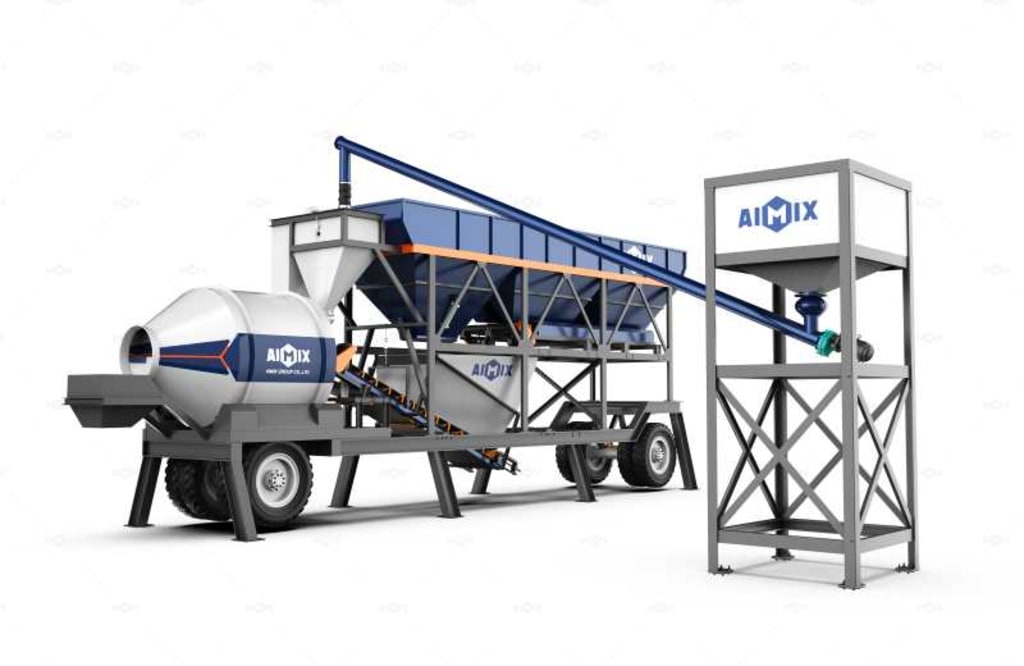
Portable batch plants, also known as mobile concrete plants, have become essential for many construction projects, especially those requiring fast, efficient, and on-site concrete production. Whether you're a contractor working on a remote job or a construction company looking to expand your capabilities, choosing the right portable batch plant can significantly impact your project’s success. However, not all portable batch plants are created equal. In this article, we’ll explore the top features to consider when purchasing one to ensure you make the best decision for your specific needs.
Portability and Mobility
The defining feature of a portable batch plant is its mobility. It should be designed for easy transport between job sites with minimal setup time. Look for plants that can be towed by standard vehicles, have compact designs, and feature foldable or collapsible components that make transportation efficient. The mobility factor allows you to move the equipment quickly, reducing downtime and increasing productivity. Additionally, ensure the plant can be easily set up and dismantled by a small crew, ideally in less than a day, for maximum efficiency.
Production Capacity
Another crucial factor to consider is the plant’s production capacity. Portable batch plants come in various sizes, each capable of producing different volumes of concrete per hour. You need to assess the scale of your projects and select a plant that meets your production needs. A plant with a capacity of 20 to 60 cubic meters per hour is suitable for small to medium-sized projects, while larger portable plants can produce up to 100 cubic meters or more per hour for big jobs like infrastructure projects. Opting for a plant with a flexible capacity that can be adjusted based on project requirements can save costs in the long run.
Durability and Build Quality
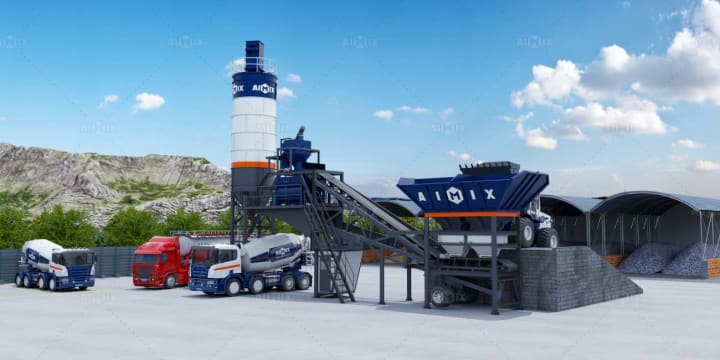
Portable batch plants are often exposed to rugged conditions, especially on construction sites. Therefore, durability and high build quality are essential. Check for plants made of heavy-duty materials like steel that can withstand harsh weather conditions and frequent transportation. The frames, bins, and mixers should be built to last and resist wear and tear. A sturdy plant will not only reduce maintenance costs but also offer a longer lifespan, ensuring a higher return on investment.
Efficient Mixing Technology
The core function of a batch plant is to produce high-quality concrete, so the mixing technology is a key consideration. Look for a plant equipped with an efficient mixer that ensures consistent and homogeneous concrete mixes. Popular mixer types include twin-shaft mixers, planetary mixers, and drum mixers. Twin-shaft mixers are known for their fast mixing speeds and ability to handle large volumes, making them ideal for high-demand projects. Planetary mixers are perfect for producing more precise mixes, while drum mixers are generally more affordable and suited for smaller operations. Choosing the right type of mixer depends on the specific needs of your project. As a professional concrete plant manufacturer, Aimix group offers various types of concrete batch plants to suit different concrete production needs, if you want to choose a reliable and suitable one, you can contact Aimix Group for a right recommendation.
Automation and Control Systems
Modern portable batch plants often come with advanced automation and control systems. These systems allow operators to control the batching process with precision, ensuring accurate measurement of ingredients and consistency in concrete production. Automated systems can reduce human error and improve overall efficiency. Look for plants with user-friendly interfaces, digital control panels, and remote operation capabilities. Some plants also offer features like real-time monitoring, production tracking, and diagnostic tools to detect potential issues early.
Water and Additive Management
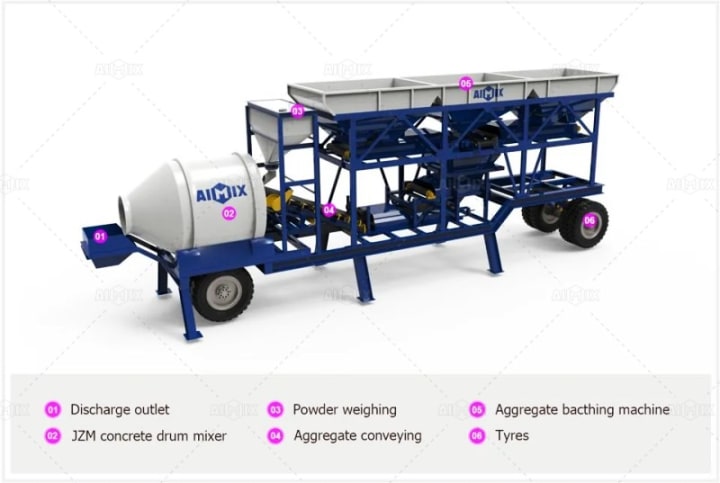
Efficient water and additive management systems are essential for achieving the desired concrete consistency. A high-quality portable batch plant should have a reliable water weighing and distribution system, ensuring precise water ratios for different concrete types. The plant should also accommodate multiple additives, including retarders, accelerators, and plasticizers, to modify concrete properties as needed for various projects. Proper water and additive management not only ensures high-quality concrete but also helps avoid wastage and improves the sustainability of the operation.
Energy Efficiency
Given the rising costs of energy and the growing focus on environmental sustainability, energy efficiency is an important consideration. Look for portable batch plants designed to minimize energy consumption without compromising performance. Energy-efficient plants typically come with optimized electrical systems, energy-saving motors, and insulated components to reduce heat loss. Reducing the plant’s energy footprint not only lowers operating costs but also helps meet environmental regulations and corporate sustainability goals.
Maintenance Requirements and Support
Another factor to consider is the ease of maintenance and the availability of support services. A portable batch plant should be designed for minimal maintenance, with easy access to components like mixers, belts, and motors. Look for plants with self-cleaning systems or features that make cleaning less labor-intensive. Additionally, make sure the manufacturer offers strong after-sales support, including access to spare parts, technical assistance, and warranty coverage. Reliable support ensures your plant remains operational with minimal downtime.
Scalability and Customization Options
As your business grows, your concrete production needs may change. Choosing a portable batch plant with scalable and customizable options ensures that the plant can adapt to future demands. Some plants offer modular designs that allow you to add extra bins, silos, or mixers as needed. This flexibility is particularly important for businesses that take on diverse projects requiring different concrete specifications.
Cost and Return on Investment
While initial cost is an important factor, it’s crucial to consider the long-term return on investment (ROI). Cheaper plants may offer lower upfront costs, but they could lead to higher maintenance and operational expenses over time. Opting for a well-built, energy-efficient plant with automated features might require a larger initial investment but can result in reduced labor, lower energy bills, and fewer repairs, making it more cost-effective in the long run.
Purchasing the right portable batch plant requires careful consideration of various features, from portability and production capacity to energy efficiency and automation. By evaluating these factors based on your project requirements and long-term goals, you can ensure that your investment delivers both high-quality concrete and significant cost savings. A well-chosen portable batch plant can enhance your operational flexibility, increase productivity, and boost profitability in your construction business.
About the Creator
consrtuctionmachines
AIMIX is a customer-center-oriented heavy equipment manufacturer and supplier, devoted to production, innovation, combination, one-stop solution, etc.
https://aimixgroup.com/
Keep reading
More stories from consrtuctionmachines and writers in 01 and other communities.
How to Find Mini Concrete Pumps for Sale
Mini concrete pumps have become an essential tool in the construction industry, especially for small to medium-sized projects where efficient concrete placement is crucial. They are compact, easy to transport, and highly efficient, making them an attractive option for builders and contractors who need a versatile and cost-effective solution. If you're in the market for mini concrete pumps for sale, it's important to know how to navigate the buying process to ensure you find the best deal and the right equipment for your needs. This passage will guide you through how to find mini concrete pumps for sale and the factors you should consider during the search.
By consrtuctionmachinesabout a year ago in 01
Generative AI Market Size and Forecast 2025–2033: The Technology Redefining Creativity, Productivity, and Intelligence
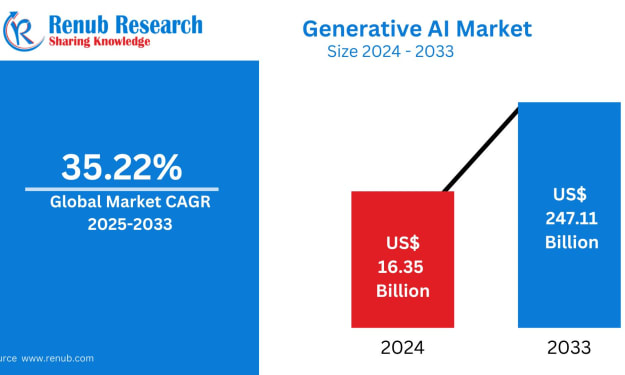
Generative AI Market Overview The Generative AI Market is expected to reach US$ 247.11 billion by 2033, expanding rapidly from US$ 16.35 billion in 2024, at a remarkable CAGR of 35.22% from 2025 to 2033. This explosive growth reflects a fundamental shift in how businesses, governments, and consumers interact with technology. No longer limited to analyzing data or predicting outcomes, generative AI systems now create—producing original text, images, videos, music, software code, and even scientific hypotheses.
By Renub Researcha day ago in 01
HubSpot Onboarding Challenges Most Teams Face Without Consulting
I still remember the day our team finally signed off on HubSpot. There was a sense of relief mixed with excitement. We believed the platform itself would fix our scattered CRM data, improve follow ups, and bring calm to our marketing chaos. No one said it out loud, but we all assumed onboarding would be simple.
By Jane Smithabout 20 hours ago in 01



Comments
There are no comments for this story
Be the first to respond and start the conversation.