
How Indie Creators Bring iPhone Games to Life
Inside the journey of indie developers shaping iPhone gaming
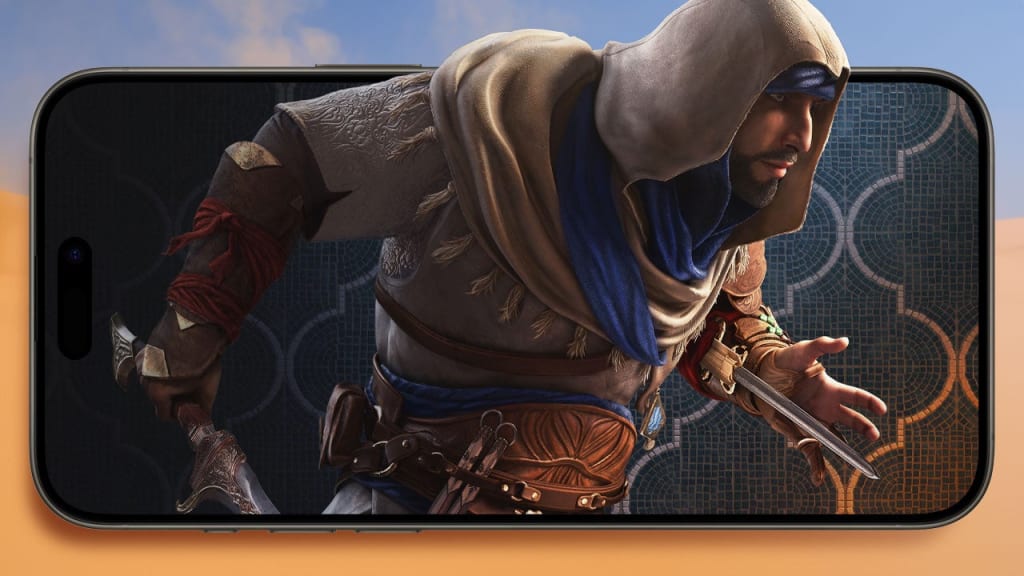
Every great game starts as an idea. Sometimes it’s scribbled in the corner of a notebook, other times it sparks during a late-night conversation with friends. For indie game creators, that idea isn’t just entertainment—it’s a story, a passion, and often a reflection of their own life experiences.
But transforming that idea into a fully functional iPhone game on the App Store is a journey filled with challenges, creativity, and determination. Unlike massive studios with endless budgets, indie developers rely on resourcefulness, resilience, and vision. And yet, some of the most beloved mobile games of the past decade—titles like Monument Valley or Alto’s Odyssey—came from small teams or individuals who simply refused to let their dream remain just an idea.
This article dives into the journey indie creators take: from that first spark of inspiration to seeing their game icon appear on the App Store.
The Spark: Where Indie Game Ideas Come From
Inspiration often strikes from the simplest sources. A long walk, a sketch on paper, or even a childhood memory can be the seed of a game. Many indie developers speak about how their games are born out of personal moments rather than market analysis.
Take Crossy Road, for example. It wasn’t built with the goal of chasing trends. Instead, it was inspired by the classic arcade game Frogger, then reinvented for modern audiences with humor, charm, and endless replayability.
For indie creators, the spark comes from questions like:
- What kind of game do I wish existed but doesn’t?
- How can I turn a simple mechanic into something fun and meaningful?
- What story do I want players to feel when they hold their phone?
This personal connection to the idea gives indie games a unique soul—something that often resonates deeply with players.
The First Steps: Sketches, Storyboards, and Small Prototypes
Once the idea takes hold, indie developers often start small. Before lines of code are written, there are sketches, flowcharts, and paper prototypes.
For example:
- A puzzle game might begin as a series of drawings on graph paper.
- A platformer could start with sticky notes showing level layouts.
- Story-driven games sometimes begin with nothing more than a script.
This early stage is crucial because it helps creators test whether the idea works in practice. A great concept doesn’t always translate into fun gameplay, and indie developers know it’s better to fail on paper than after months of coding.
Building the Foundation: Learning the Tools
For many indie developers, the technical side can feel intimidating. But today, the barrier to entry is lower than ever. Tools like Unity, Unreal Engine, and Apple’s Swift + SpriteKit give creators the power to bring their ideas to life without needing a massive team.
Unity, for example, is popular because of its flexibility and community support. Meanwhile, Apple’s tools are designed specifically for iOS, ensuring games run smoothly on iPhones and iPads.
This is the stage where creators start experimenting with mechanics:
- How does the character move?
- What happens when the player taps the screen?
- Is the gameplay loop satisfying?
It’s a time of trial and error. Hours are spent tweaking physics, adjusting controls, and refining visuals. Yet it’s also the stage where creators begin to see their dream become something tangible.
The Challenges: Time, Money, and Motivation
The indie game journey isn’t easy. While large studios have teams of designers, programmers, and marketers, indie creators often juggle all these roles themselves.
Time: Many developers work on their games after their day jobs, dedicating late nights and weekends to the project. Progress can feel slow, and burnout is a constant risk.
Money: Funding is another hurdle. While tools are accessible, creating polished graphics, hiring composers, or marketing the game requires investment. Some developers rely on savings, crowdfunding campaigns, or small grants to push their projects forward.
Motivation: Perhaps the hardest part is staying motivated. Game development is filled with setbacks—bugs that take days to fix, features that don’t work as planned, or discouragement after comparing progress to bigger studios.
And yet, it’s precisely these challenges that make the eventual success so meaningful.
Stories of Indie Success on iOS
The App Store has become a launchpad for indie success stories. These games prove that creativity, not budget, defines impact.
Monument Valley: Created by a small team at ustwo, this visually stunning puzzle game became a cultural phenomenon. Its design, inspired by impossible architecture, showed that art and storytelling can define gameplay.
Alto’s Odyssey: Built by a tiny team, this endless snowboarding adventure blends simple mechanics with breathtaking landscapes, proving that atmosphere can be as engaging as action.
Crossy Road: Developed in just 12 weeks by three friends, it quickly became one of the most downloaded games on iOS thanks to its humor and addictive gameplay.
These success stories remind new creators that with the right idea and execution, indie developers can stand alongside industry giants.
From Beta to App Store: The Final Stretch
Once the core game is functional, indie creators often move into beta testing. This is where friends, family, or small groups of players get to try the game and provide feedback.
Beta testing helps answer questions like:
- Are the controls intuitive?
- Is the difficulty balanced?
- Do players enjoy coming back for more?
After refining the game, developers prepare for App Store submission. This step involves ensuring the game meets Apple’s guidelines, setting up App Store pages, creating promotional graphics, and writing descriptions that attract downloads.
For many indie creators, hitting the “Submit for Review” button is one of the most nerve-wracking moments of their journey. It’s the culmination of months—or even years—of work.
Beyond Launch: Building a Community
Publishing on the App Store isn’t the end; it’s the beginning of another phase. Indie developers must now think like marketers and community builders.
Some common approaches include:
- Social Media: Sharing behind-the-scenes stories on Twitter, Instagram, or TikTok.
- Updates: Adding new levels or features to keep players engaged.
- Feedback Loops: Listening to players and incorporating their suggestions.
What sets indie creators apart is their personal connection to their audience. Players often feel closer to indie developers, who are transparent about their process and struggles. This authenticity builds loyalty that big studios sometimes lack.
Resources for Aspiring Creators
For anyone inspired to bring their own game to life, the good news is that there are countless resources available. Whether you’re learning coding, experimenting with design, or planning to publish on iOS, the journey has never been more accessible.
If you’re serious about building an iPhone game, a detailed step-by-step guide like this resource on how to make an iPhone game can help you understand the technical and creative process from start to finish.
Conclusion: Turning Ideas Into Reality
The path from idea to App Store is never straightforward. It’s filled with long nights, creative breakthroughs, technical frustrations, and moments of joy. But for indie creators, the journey is worth it—not just for the downloads or revenue, but for the chance to see their vision come alive in the hands of players around the world.
Indie games prove that passion and persistence can outshine budgets. They remind us that behind every app icon is a dreamer who believed their idea was worth pursuing. And with the power of today’s tools and platforms, anyone with a story to tell and the drive to create can bring their game from idea to App Store reality.
About the Creator
Understanding Crossdressing Culture and Modern Crossdresser Shops in Australia
Crossdressing refers to the act of wearing clothing traditionally associated with another gender. Throughout history, people have practiced crossdressing for cultural, theatrical, personal, or social reasons. Historical records show that crossdressing has appeared in many civilizations, including ancient societies where clothing and gender roles were more fluid than often assumed.
By James Mburu7 days ago in 01
Multi Directional Forklift: The Future of Flexible Warehouse Handling
Modern warehouses and logistics centers rely heavily on efficient material‑handling equipment. Among the many machines used in warehouses, the Multi Directional Forklift stands out as one of the most versatile solutions for handling complex loads in tight spaces. As storage facilities become more compact and demand faster operations, businesses are increasingly adopting advanced forklifts that maximize space, safety, and productivity.
By charliesamuel6 days ago in 01
The Politics of Playing Dress-Up
Well, to start off I'd like to say a happy world book day to all who celebrate. I know I haven't really posted anything on my socials about it but I'm not a jubilant kind of person. I lay low most of the time. Let's start off with a popular anecdote from the vaults...
By Annie Kapur7 days ago in Geeks




Comments
There are no comments for this story
Be the first to respond and start the conversation.