
How Does a Mobile Crushing Plant Work: Inside the Crushing and Screening Process
A step-by-step guide to how mobile crushing plants process materials—from raw feed to finished aggregate—on the go.

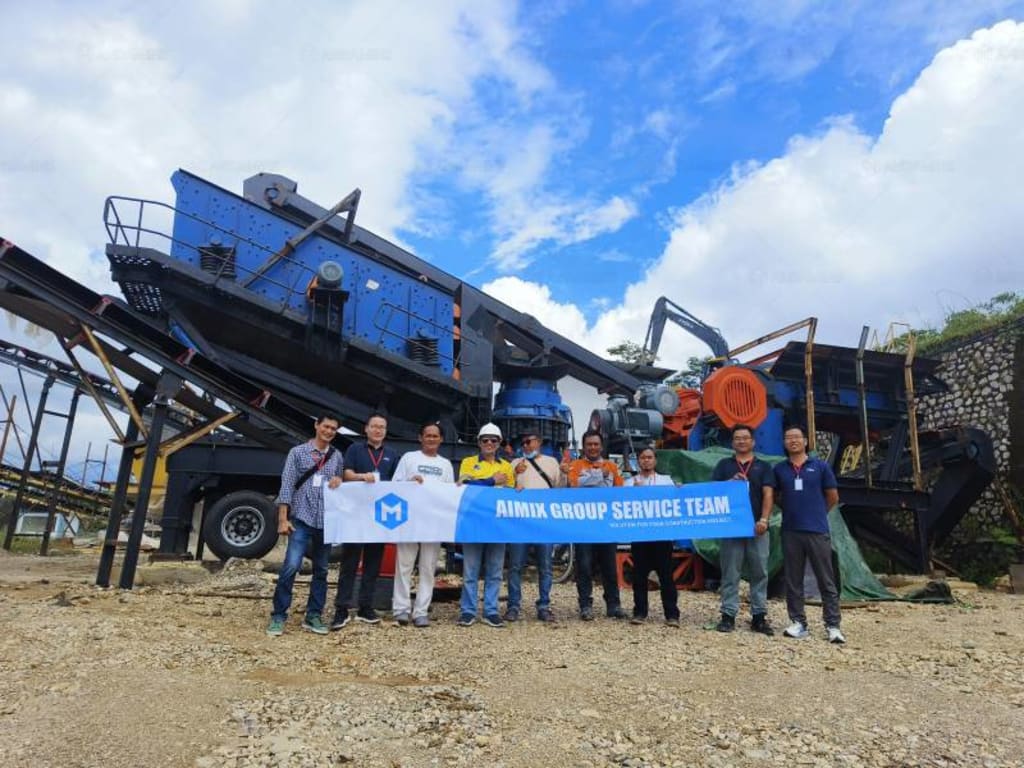
In modern construction, mining, and aggregate production, mobile crushing plants have transformed the way raw materials are processed. These versatile, self-contained machines can be easily transported and rapidly deployed to job sites, making them ideal for on-site crushing and screening tasks.
But how does a mobile crushing plant work exactly? This article takes you inside the full crushing and screening process—step by step—to understand the technology, components, and workflow that make mobile crushers an efficient solution for material reduction and recycling projects.
What Is a Mobile Crushing Plant?
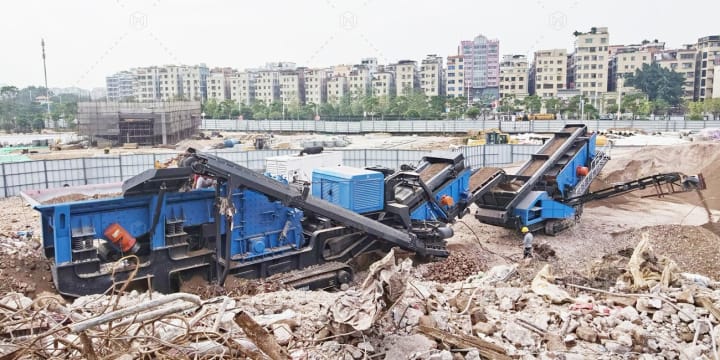
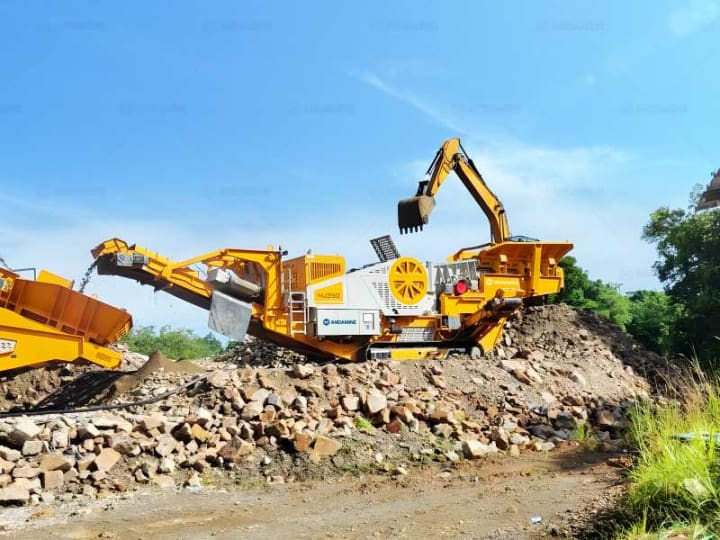
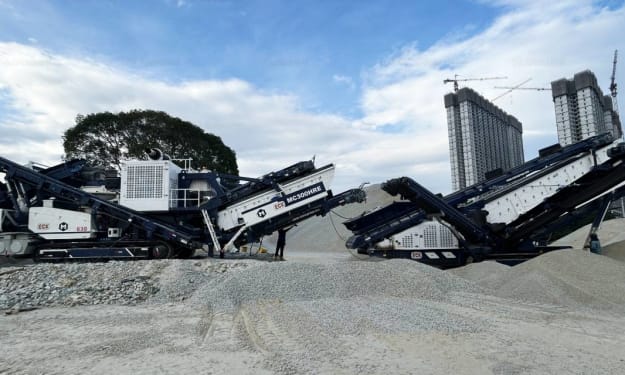
A mobile crushing plant is a movable equipment unit designed to crush raw materials like rocks, concrete, and demolition debris into smaller, usable sizes. Unlike stationary crushing systems, it integrates multiple components—feeder, crusher, screen, conveyor—into one or two chassis and can be easily relocated.
Mobile crushers are commonly used in:
Road and bridge construction
Quarrying and mining operations
Concrete and asphalt recycling
Temporary crushing sites or remote locations
They come in various configurations, typically combining jaw crushers, cone crushers, or impact crushers with vibrating screens and belt conveyors.

Step 1: Material Feeding
The process begins with material feeding, where large rocks, rubble, or aggregates are loaded into a vibrating feeder—usually by an excavator or wheel loader.
What Happens in This Stage:
The feeder controls the flow of material into the crusher
It separates fine particles through a grizzly bar (pre-screening)
Oversized materials are directed to the crusher, while finer materials may bypass to the screening stage
This step ensures even feed rates and prevents overloading, which could damage the crushing chamber.
Step 2: Primary Crushing
Once the raw material is fed into the system, it enters the primary crusher—typically a primary jaw crusher or impact crusher, depending on the application.
Jaw Crushers:
Ideal for hard, abrasive materials like granite or basalt
Crushes by compressing material between two jaw plates
Impact Crushers:
Best for softer materials like limestone or recycled concrete
Uses high-speed rotors to throw material against impact plates for shattering
Key Functions:
Reduces material size to manageable levels
Creates uniform fragments suitable for secondary processing or screening
Automatically adjusts gap settings in newer models for consistent output size
Some mobile plants include hydraulic adjustment mechanisms, enabling the operator to change output size on the go.
Step 3: Secondary Crushing (Optional)
In more complex mobile setups, a secondary crusher such as a cone crusher may be added after the primary unit. This stage further refines the material into smaller sizes or higher-quality shapes for specific applications like road base or concrete aggregates.
Cone Crushers:
Ideal for producing well-shaped, uniform aggregates
Commonly used in multi-stage crushing for finer gradations
Secondary crushing is not always required, especially in single-stage mobile plants designed for fast, coarse reduction.
Step 4: Screening and Separation
Once crushed, the material is transferred by a conveyor belt to a vibrating screen, which separates particles based on size.
Screening Process:
Oversized materials are returned to the crusher via a closed-loop system
Mid-sized and fine materials pass through screen decks and are discharged via separate conveyors
Multiple screen decks can be used for multi-size output
The screening stage ensures that only material of the desired size is stockpiled or used directly on-site, reducing waste and improving efficiency.
Step 5: Stockpiling or Load-Out
After screening, sorted materials are conveyed into stockpiles or directly loaded into trucks for delivery. Some mobile plants include radial stacking conveyors or telescopic belt systems that minimize the need for additional equipment or manual handling.
This makes the entire crushing operation compact, clean, and highly productive—perfect for tight urban job sites or remote field work.
Optional Add-Ons and Features
Modern mobile crushing plants are highly customizable and may include:
Dust suppression systems for cleaner operation
Diesel-electric hybrid engines for fuel efficiency
Remote control operation for safety and convenience
On-board scales for monitoring production output
Magnetic separators for recycling applications (to remove metal contaminants)
These features help optimize performance, meet environmental standards, and reduce operating costs.
Key Advantages of Mobile Crushing Plants
Now that we understand how a mobile crushing plant works, let’s highlight why it’s favored in many industries:
1. Mobility & Flexibility
Easily transported between sites
Quick setup—often in hours rather than days
Suitable for temporary or seasonal projects
2. Cost Savings
Reduces need to transport raw materials to off-site crushers
Lowers fuel and labor costs
Cuts down on multiple handling stages
3. Improved Productivity
Continuous crushing and screening
Fast adaptation to material changes or output demands
Ideal for time-sensitive projects
4. Sustainability
Promotes on-site recycling (e.g., concrete, asphalt)
Less environmental impact from trucking and hauling
Lower dust and noise emissions with modern design
Conclusion
A mobile crushing plant is more than just a crusher on wheels—it's a complete material processing system. From feeding and primary crushing to screening and final stockpiling, every stage is carefully designed to ensure maximum efficiency, flexibility, and productivity.
Whether you're in mining, construction, or demolition, understanding how a mobile crushing plant works can help you choose the right configuration for your project needs, reduce operational costs, and increase on-site capabilities.
As equipment continues to evolve, mobile plants are becoming smarter, cleaner, and more versatile—setting the standard for modern material handling across industries.
About the Creator
Andamine
Andamine is dedicated to offering customized crushing equipment solutions tailored to meet the diverse needs of our clients’ projects, helping you achieve efficient, sustainable, and cost-effective production goals.
How to Choose the Right Tech Stack to Develop a Web Application
Imagine spending six months building your web application, only to realize the technology you chose can't handle your growing user base. Now you're stuck — rewriting code, burning budget, and losing time you can't get back.
By Nico Gonzalez4 days ago in 01
I’m Done With Hospital Paperwork: How Ohio’s Healthcare Apps Are Actually Saving Lives (2026)
I was sitting in a waiting room in Columbus last Tuesday, clutching a clipboard like it was a relic from the Stone Age. Y'all know the drill. You spend twenty minutes scribbling your name, birthdate, and every surgery you’ve had since 1998 on three different pieces of carbon paper. It’s 2026, for crying out loud. I’m fixin’ to lose my mind if I have to write my insurance ID one more time.
By Sherry Walker5 days ago in 01



Comments
There are no comments for this story
Be the first to respond and start the conversation.