
How to Troubleshoot Common Issues with Your Mobile Crushing Machine
Essential Tips to Identify, Prevent, and Resolve Common Problems in Your Mobile Crushing Machine for Efficient Operation of a Mobile Rock Crushing Plant

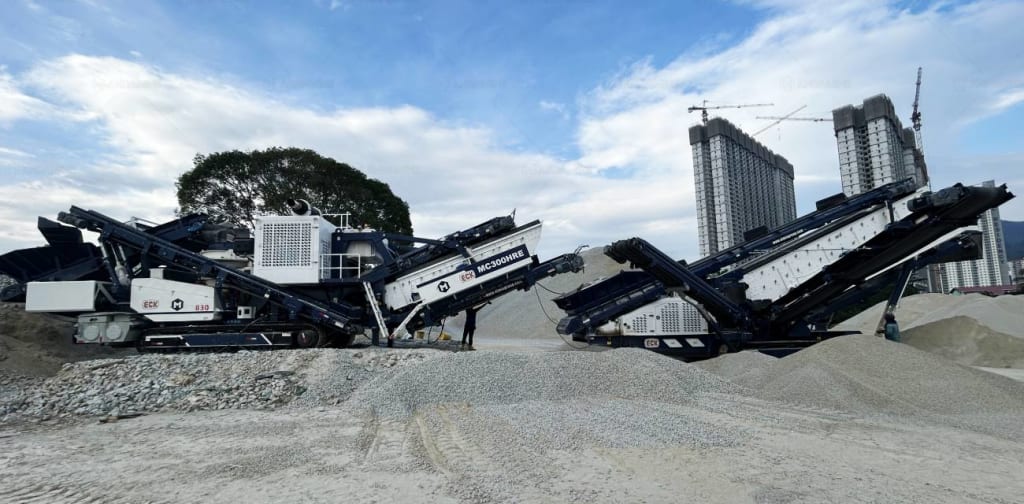
Mobile crushing machines are essential in the construction, mining, and quarrying industries, providing flexibility, high productivity, and on-site crushing capabilities. However, like all heavy equipment, these machines can encounter operational problems that affect efficiency and increase costs. Understanding how to troubleshoot common issues is crucial for maintaining smooth operation and extending the lifespan of your equipment. This article also highlights the role of a mobile rock crushing plant in achieving reliable and continuous production.
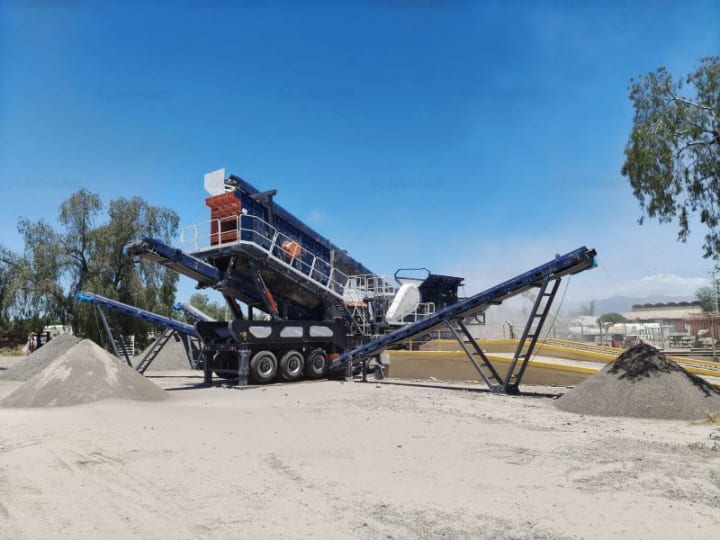
Understanding Common Problems in Mobile Crushing Machines
Mobile crushing machines, including jaw crushers, cone crushers, and impact crushers, can experience a range of issues during operation. The most frequent problems include unexpected stoppages, reduced output, unusual vibrations, and excessive wear on critical components such as belts, jaws, or screens.
One of the primary causes of downtime is blockages in the crusher chamber, often caused by oversized rocks or improperly fed material. Another common issue is equipment overheating, typically due to high friction, insufficient lubrication, or operating beyond recommended capacity. Operators may also notice irregular output sizes, indicating worn or damaged crusher parts or misalignment.
By identifying the symptoms early, operators can take corrective action, preventing small issues from escalating into costly repairs. In a mobile rock crushing plant, where multiple components work together, timely troubleshooting is critical for maintaining production schedules and minimizing delays.
Blockages and Material Feeding Problems
One of the most frequent problems in mobile crushing machines is blockages in the feed chute or crushing chamber. Oversized rocks, sticky materials, or uneven feeding can cause jams that halt production. To troubleshoot this issue, first ensure that the material is fed consistently and that the feed size does not exceed the crusher’s maximum capacity.
Operators should also check the feeder system, including vibrating feeders or belt conveyors, for damage or misalignment. Ensuring proper feeding not only reduces blockages but also improves the uniformity of crushed material, which is particularly important in a mobile rock crushing plant where output quality affects downstream processes.
Mechanical Failures and Wear Parts
Mechanical problems are another common challenge. Worn jaws, hammers, or impact plates reduce crushing efficiency and can cause irregular product sizes. Bearings and conveyor belts are also prone to wear, especially under continuous heavy-duty operation.
To troubleshoot mechanical failures, inspect all wear parts regularly and replace components before they reach the end of their service life. Proper maintenance schedules and lubrication routines are essential. In addition, monitor vibration patterns and unusual noises, which often indicate component misalignment or internal damage. Addressing these issues promptly ensures that a mobile rock crushing plant operates safely and efficiently.
Electrical and Hydraulic Issues
Modern mobile crushing machines rely on electrical and hydraulic systems for operation. Common electrical problems include motor failures, control panel errors, or wiring issues. Hydraulic failures can result in insufficient crushing pressure, slow movement of components, or leakage of hydraulic fluids.
When troubleshooting, start by checking the control panel for error codes and verifying that all electrical connections are secure. For hydraulic issues, inspect hoses, cylinders, and pumps for leaks or damage, and confirm that fluid levels and pressures meet manufacturer specifications. Correcting electrical or hydraulic faults quickly reduces downtime and prevents secondary damage to other components in the mobile rock crushing plant.
Operational Mistakes and Preventive Measures
Often, operational errors contribute to frequent equipment problems. Running the machine beyond its capacity, feeding unsuitable materials, or neglecting maintenance routines can lead to frequent breakdowns. Operator training is therefore a critical aspect of troubleshooting.
Preventive measures include regular inspection of wear parts, lubrication schedules, cleaning of dust and debris, and adherence to manufacturer guidelines. Implementing a routine maintenance checklist helps identify potential issues before they disrupt production, improving both safety and efficiency. In a mobile rock crushing plant, preventive maintenance ensures continuous operation and reduces unexpected repair costs.
Optimizing Your Mobile Rock Crushing Plant
To minimize common issues, it is essential to optimize both the design and operation of the mobile rock crushing plant. Proper site preparation, material handling, and equipment selection all contribute to reducing operational challenges. Operators should ensure that crushers are installed on level ground and that conveyors, feeders, and screens are correctly aligned.
Using technology, such as remote monitoring systems or automated controls, can also help detect anomalies early, allowing timely intervention. By combining proper operational practices with preventive maintenance, plant owners can reduce downtime, improve output quality, and extend the lifespan of their mobile crushing equipment.

Conclusion
Troubleshooting common issues in a mobile crushing machine requires a combination of technical knowledge, regular inspection, and proactive maintenance. From material blockages and wear part replacements to electrical and hydraulic troubleshooting, addressing problems quickly helps maintain efficiency and reduces costs. For operators and investors, understanding these common challenges is essential for running a productive and reliable mobile rock crushing plant. By implementing preventive measures and following best operational practices, plant owners can ensure consistent performance, lower downtime, and higher profitability over the long term.
About the Creator
Andamine
Andamine is dedicated to offering customized crushing equipment solutions tailored to meet the diverse needs of our clients’ projects, helping you achieve efficient, sustainable, and cost-effective production goals.
Why AI UX Is Fundamentally Different from Traditional UX?
User experience design has always focused on guiding users through predictable interactions — buttons behave consistently, navigation paths are defined, and outcomes are largely deterministic. With AI-powered applications, that predictability changes. Interfaces driven by artificial intelligence introduce uncertainty, dynamic responses, and adaptive behavior that fundamentally alter how UX must be designed and evaluated.
By Nick William6 days ago in 01




Comments
There are no comments for this story
Be the first to respond and start the conversation.