
How DED Metal 3D Printing Repairs High-Value Metal Parts
The Benefits of DED Metal 3D Printing for High-Value Parts
In today’s manufacturing world, repairing high-value metal parts is a critical challenge. Traditional methods of repairing metal components can be time-consuming, expensive, and often not as effective. However, Directed Energy Deposition (DED) metal 3D printing has emerged as a game-changing solution for repairing and refurbishing high-value metal parts. In this blog, we will explore how DED metal 3D printing works and why it's so effective for repairing damaged or worn-out metal components.
What is DED Metal 3D Printing?
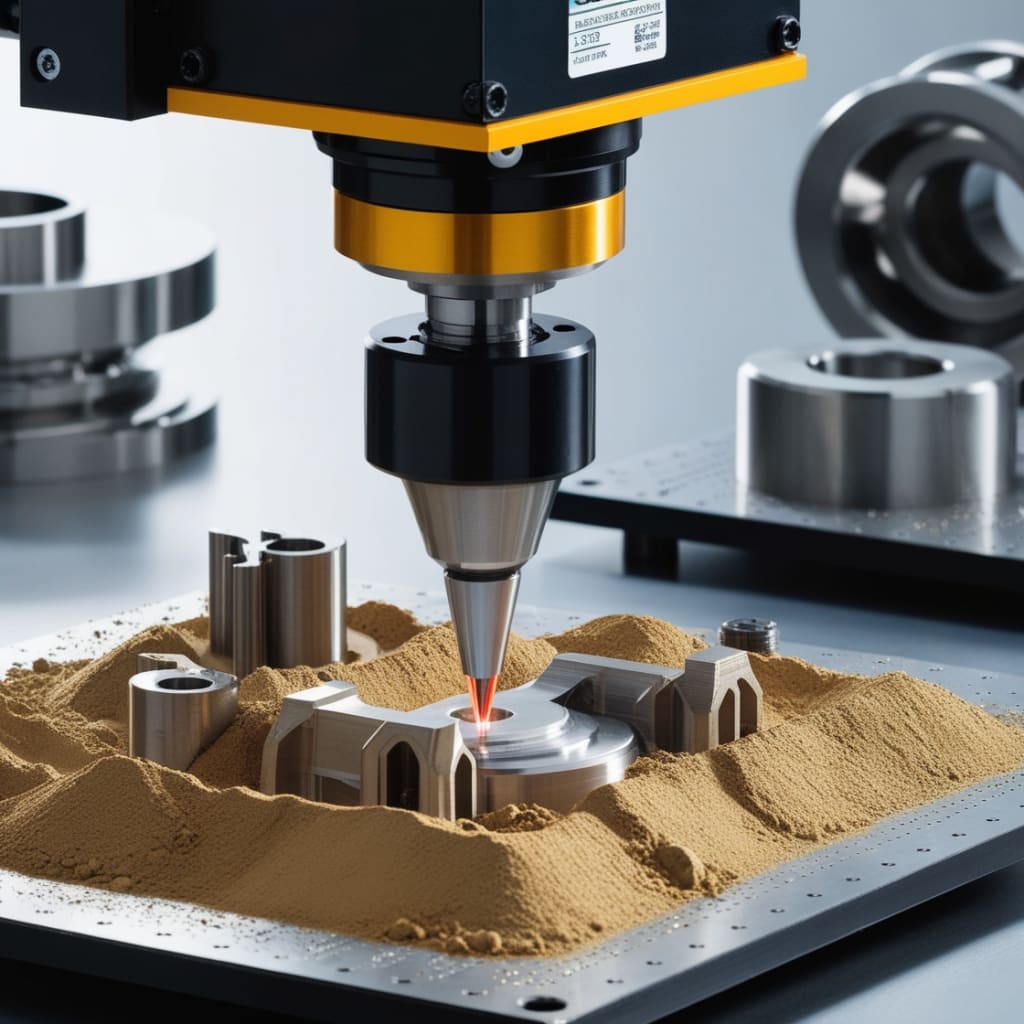
Directed Energy Deposition (DED) is an advanced additive manufacturing (AM) process that uses focused thermal energy (usually a laser, electron beam, or plasma arc) to melt and fuse metal material directly onto a part. Unlike traditional manufacturing, which involves subtracting material (like milling or grinding), DED builds up material layer by layer, allowing for precise control over the repair process.
In DED, metal powder or wire is fed into the melt pool created by the heat source. The melted metal quickly solidifies, bonding with the existing material to form a solid structure. This process can be used for both repair and manufacturing of metal parts.
Why is DED Ideal for Repairing High-Value Metal Parts?
High-value metal parts are used in industries such as aerospace, automotive, defense, and energy, where reliability and performance are critical. These parts often experience wear and tear due to high-stress conditions, exposure to extreme temperatures, or frequent use. Repairing them effectively is essential to prevent costly replacements and ensure their continued functionality.
Here’s why DED metal 3D printing is the ideal solution for these repairs:
Precision and Customization
DED allows for highly precise repairs. The additive nature of DED enables precise control over where the material is deposited, ensuring that only the damaged or worn areas are targeted. This precision is particularly useful for complex or delicate parts, where traditional repair methods might risk damaging the surrounding areas.
Additionally, DED can be used to restore parts to their original geometry or even improve upon it. For example, if a part has worn down in a specific area, DED can be used to add material exactly where it's needed, even creating custom features or geometries to enhance performance.
Reduced Material Waste
Traditional repair methods often involve cutting away and replacing significant amounts of material, leading to material waste. DED, on the other hand, deposits only the necessary material, resulting in much less waste. This makes it a more sustainable and cost-effective repair option for high-value metal parts.
Versatility in Materials
DED can work with a wide range of metal alloys, including high-performance materials such as titanium, Inconel, and stainless steel. These materials are commonly used in industries where durability and strength are paramount, such as in aerospace or defense. The ability to repair parts with the same material ensures that the repaired components retain their original strength, corrosion resistance, and other critical properties.
Cost-Effective
Repairing high-value metal parts with DED metal 3D printing is often more cost-effective than traditional repair methods. This is because DED reduces the need for expensive raw materials and labor-intensive processes. Additionally, it minimizes the need for expensive tooling or specialized machinery, making it a more affordable option for companies.
Faster Turnaround Times
Repairing a part with DED can be faster than conventional methods. The additive process means that repairs can be done on-site or in a matter of hours, reducing the downtime of critical equipment. In industries where time is money, such as in aerospace or energy, this quick turnaround can make a significant difference.
Ability to Repair Complex Geometries
High-value parts are often complex in shape, making traditional repair methods difficult or even impossible. DED’s ability to add material layer by layer allows it to repair parts with intricate geometries that would otherwise be hard to reach or repair with conventional techniques. This capability is especially useful for parts with internal structures, cooling channels, or other challenging features.
Applications of DED Metal 3D Printing in Repairing High-Value Parts
DED metal 3D printing is already being used to repair a wide range of high-value metal parts across various industries:
Aerospace: Aerospace components, such as turbine blades and engine parts, often experience wear from extreme heat, friction, and stress. DED can repair cracks or other damage in these critical components without compromising their performance.
Automotive: High-performance automotive parts, such as engine blocks and transmission components, can be repaired with DED to restore functionality and prevent costly replacements.
Oil & Gas: Equipment used in the oil and gas industry is often exposed to harsh conditions. DED is used to repair parts like pumps, valves, and compressors, extending their lifespan and improving reliability.
Defense: Military equipment and machinery require constant maintenance due to wear and damage from heavy use. DED allows for quick and precise repairs to high-value defense components like armor, weaponry, and aircraft parts.
Tooling and Molds: Tooling and molds used in manufacturing often wear out over time. DED can repair or rebuild these parts, saving manufacturers the cost of producing entirely new molds or tools.
Conclusion
DED metal 3D printing has revolutionized the way we approach repairs for high-value metal parts. With its precision, material efficiency, and ability to work with complex geometries, it offers a reliable and cost-effective alternative to traditional repair methods. Industries that rely on high-performance, high-value components, such as aerospace, automotive, and energy, are increasingly turning to DED to extend the life of their equipment and reduce downtime. As technology advances, DED will continue to play a key role in repairing and refurbishing critical parts, helping companies save money and maintain performance.
About the Creator
dm3dtechnology
We, DM3D, are an advanced digital manufacturing company where we use our patented blown-powder metal Directed Energy Deposition (DED) technology coupled with fully integrated machining.
Keep reading
More stories from dm3dtechnology and writers in 01 and other communities.
Best Metal 3D Printing Services Compared: A Detailed Analysis
Metal 3D printing, also known as metal additive manufacturing, has revolutionized the manufacturing industry. With its ability to create complex and precise metal parts, it’s no wonder businesses across industries are turning to this technology. Choosing the best metal 3D printing service, however, can be overwhelming given the variety of options available. This blog provides a detailed analysis to help you make an informed decision.
By dm3dtechnologyabout a year ago in 01
Top 20 OnlyFans Ideas for Content, Niche, Username, and Bio
Are you looking for the best ideas for creating engaging OnlyFans content, or do you want to know the platform's top content categories? Maybe you are struggling with your OnlyFans bio and username and need some tips? No matter what the case, we are here to rescue you.
By Intelligent Creatora day ago in 01
How Shadow APIs Are Putting Public Sector Data at Risk
Introduction – The Rise of Shadow APIs in Government Systems Government digital services increasingly rely on APIs to power citizen portals, data exchanges, mobile apps, and inter-agency integrations. While this API-driven architecture improves efficiency and accessibility, it has also introduced a silent and growing risk: shadow APIs.
By Sam Bishopabout 5 hours ago in 01



Comments
There are no comments for this story
Be the first to respond and start the conversation.