
How Shadow APIs Are Putting Public Sector Data at Risk
How Undocumented APIs Expose Citizen Data and Expand Attack Surfaces

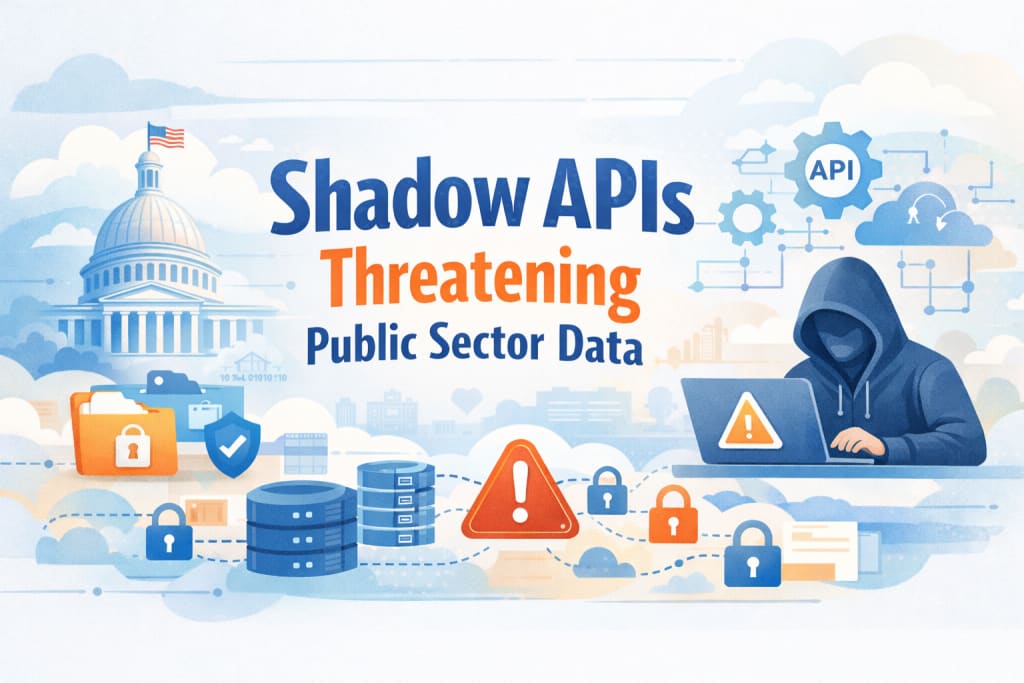
Introduction – The Rise of Shadow APIs in Government Systems
Government digital services increasingly rely on APIs to power citizen portals, data exchanges, mobile apps, and inter-agency integrations. While this API-driven architecture improves efficiency and accessibility, it has also introduced a silent and growing risk: shadow APIs.
Shadow APIs are undocumented, unmanaged, or forgotten API endpoints that exist outside official inventories. In public sector environments, they often emerge during rapid digital transformation initiatives, emergency rollouts, and system modernization efforts. Because they operate outside standard governance, shadow APIs frequently lack proper security controls and monitoring.
As attackers become more automated and opportunistic, these hidden endpoints are no longer obscure technical debt. They are active attack surfaces. This is why many agencies are turning to continuous discovery and assessment approaches using a government API pentesting platform to uncover and secure APIs that traditional tools fail to see.
How Shadow APIs Are Created in Government Ecosystems
Development and Testing Artefacts Left in Production
During application development, teams often create temporary APIs for testing, debugging, or internal validation. In government projects involving multiple contractors and long timelines, these endpoints are sometimes deployed into production and never removed.
Rapid Deployment Without Discovery or Inventory
Public sector agencies frequently launch new digital services under tight deadlines. In these scenarios, APIs may go live before they are formally documented or added to central inventories, creating unmanaged exposure.
Migrations, Integrations, and Forgotten Endpoints
Legacy system migrations, cloud adoption, and third-party integrations often leave behind outdated or unused endpoints. These forgotten APIs remain accessible, even though no team actively owns or maintains them.
Why Shadow APIs Are a Growing Security Threat
Lack of Documentation, Governance, and Ownership
Shadow APIs often have no clear owner. Without documentation, security teams cannot assess risk, apply policies, or enforce consistent controls.
Missing Authentication and Authorization Controls
Many shadow APIs rely on outdated authentication methods or none at all. This allows attackers to access sensitive functions without proper verification.
Blind Spots in Traditional API Monitoring Tools
Conventional security tools focus on known endpoints defined by schemas or gateways. Shadow APIs fall outside these visibility models, remaining invisible until exploited.
Real Risks Posed by Shadow APIs in the Public Sector
Exposure of Sensitive Citizen Data
Shadow APIs frequently process personal, financial, or health data. If compromised, they can expose citizen records, benefits data, or internal government information.
Increased Attack Surface for Automated Threats
Each undocumented endpoint increases the attack surface. Automated scanners and bots can discover and exploit these APIs at scale.
Facilitation of Abuse and Business Logic Exploitation
Even when data is protected, shadow APIs may expose actions such as benefit claims, status changes, or data submissions, enabling fraud and abuse.
Compliance and Regulatory Consequences
Undocumented data access paths can violate compliance requirements related to privacy, data protection, and public sector security standards, leading to audits and penalties.
How Attackers Discover and Exploit Shadow APIs
Automated Crawling and Enumeration Techniques
Attackers use automated tools to crawl government domains, enumerate endpoints, and identify APIs that are not publicly documented.
API Fingerprinting and Traffic Analysis
By analyzing response patterns and error messages, attackers can fingerprint backend services and infer hidden endpoints.
Abuse Through Botnets and AI-Driven Attack Tools
Modern attackers deploy AI-powered tools and botnets to continuously probe APIs, rapidly exploiting weaknesses once discovered.
Why Traditional Security Approaches Often Miss Shadow APIs
Infrastructure-Centered Tools vs API-Centered Visibility
Firewalls and network security tools focus on infrastructure, not API behavior. They cannot differentiate legitimate API traffic from malicious use of hidden endpoints.
Static Testing vs Runtime Discovery Failures
Static API testing relies on known specifications. Shadow APIs, by definition, are absent from these specs and remain untested.
Manual Penetration Tests and Point-in-Time Limitations
Annual or quarterly penetration tests provide only a snapshot in time. New shadow APIs can appear days or weeks after testing concludes.
Strategies to Detect and Monitor Shadow APIs
Automated Continuous API Discovery
Effective detection requires continuous analysis of live traffic to identify APIs that are active but undocumented.
Inventory and Cataloging Across Environments
Agencies need centralized inventories that span development, staging, and production environments to track API exposure consistently.
Distinguishing Managed vs. Unmanaged Endpoints
Not all APIs carry equal risk. Security teams must identify which endpoints are governed and which operate outside approved controls.
Securing Shadow APIs in Live Government Platforms
Implementing Robust Authentication and Authorization
All APIs, including previously hidden ones, must enforce modern authentication and role-based authorization.
Applying Least-Privilege and Scope-Based Controls
Access should be limited to only what is necessary, reducing the impact of compromised credentials or abuse.
Runtime Monitoring and Anomaly Detection
Continuous monitoring helps detect unusual behavior, such as abnormal request volumes or misuse patterns, in real time.
Integrating Shadow API Security Into DevOps and CI/CD
Shift-Left Discovery and Security Validation
Shadow API risk should be addressed early by validating APIs during development and deployment stages.
Continuous Integration of API Tests
Automated API tests should run continuously as part of CI/CD pipelines to prevent undocumented endpoints from reaching production.
Developer Awareness and API Governance
Clear guidelines, ownership models, and training help developers avoid creating shadow APIs unintentionally.
Case Studies and Lessons Learned
Examples of Shadow API Incidents in Public Sector
Multiple government data breaches have been traced back to forgotten or undocumented APIs that bypassed standard security reviews.
What Went Wrong and How It Could Be Prevented
In most cases, the absence of discovery, monitoring, and ownership allowed vulnerabilities to persist unnoticed.
Takeaways for Government IT Teams
Visibility, continuous assessment, and governance are critical to reducing shadow API risk in complex public sector environments.
Conclusion – Making Shadow API Risk Visible and Manageable
Shadow APIs represent one of the most overlooked risks in government digital infrastructure. As agencies expand API usage to deliver faster and more integrated services, unmanaged endpoints quietly increase exposure.
Addressing this challenge requires moving beyond static testing and perimeter defenses toward continuous discovery, monitoring, and governance. By making shadow APIs visible and manageable, government organizations can reduce attack surfaces, protect citizen data, and maintain trust in digital public services.
About the Creator
Sam Bishop
Hi there! My name is Sam Bishop and I'm a passionate technologist who loves to express my thoughts through writing. As an individual and tech enthusiast, I'm always eager to share my perspectives on various topics.
Keep reading
More stories from Sam Bishop and writers in 01 and other communities.
The Hidden API Risks Behind Seamless eCommerce Experiences
Introduction: Why eCommerce APIs Are Critical Yet Vulnerable Modern eCommerce platforms rely heavily on APIs to deliver fast, personalized, and seamless customer experiences. From managing product catalogs, shopping carts, and payment processing to handling logistics and user accounts, APIs act as the backbone of online retail. However, this interconnectivity comes with significant risks. Every API endpoint represents a potential gateway for attackers aiming to exploit vulnerabilities, access sensitive data, or manipulate business processes.
By Sam Bishopa day ago in 01
Why Natural Stone Pavers Are Worth the Investment for Your Home
When improving outdoor spaces, homeowners often look for materials that offer both beauty and long-term value. Natural stone pavers have remained a popular choice for patios, driveways, and walkways because they combine durability with timeless appeal. While they may come with a higher initial cost compared to manufactured alternatives, natural stone pavers offer benefits that make them a worthwhile investment. This article explores why choosing natural stone can enhance your home’s appearance, performance, and value for many years to come.
By Ammaari Stones2 days ago in 01
React Development for SaaS Platforms: Best Practices That Scale
Introduction The deployment of a SaaS platform is not merely about being fast, but being scalable as users, features, and data grow. Due to its component-based design, performance, and ecosystem, React has become one of the preferred platforms when developing SaaS products. React facilitates a SaaS platform to remain flexible, maintainable, and future-ready when used properly.
By Rutvik Sangania day ago in 01




Comments
There are no comments for this story
Be the first to respond and start the conversation.