
Halal Food: Traditions, Quality, and Modern Consumption
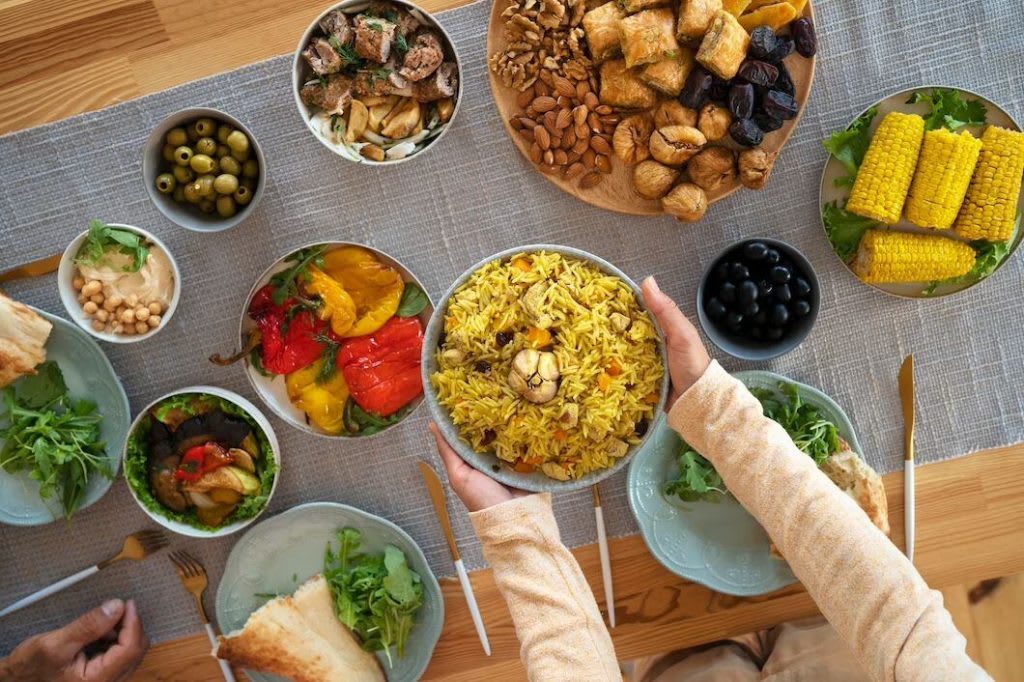
Halal food is deeply rooted in religious principles, moral values, and cultural traditions. Under Islamic law, the concept of halal goes beyond permissibility and reflects purity, wholesomeness, cleanliness, lawfulness, and moderation in both food production and consumption.

Introduction
Halal food has a religious, moral and cultural basis. Under Islamic law, halal has a larger and deeper meaning which signifies purity, wholesomeness, cleanliness, lawfulness and moderation in food production and consumption. Because people know more about the Halal Food Industry in recent decades, consumers understand and accept halal food who seek transparency and quality in food products.
Origins and Religious Foundations of Halal Food
Halal is an Arabic word with a meaning of permissible in Islam. Halal food rules refer to rules within Islam that direct people to prepare food by treating animals humanely, prohibiting certain ingredients, and keeping production and processing clean.
Traceability of raw materials through all stages of manufacturing and distribution, as well as the ability to guarantee consistent compliance with ethical and religious principles at all stages, has built a high level of confidence in halal food.
Quality Standards and Certification
The main strength of halal food is that it is certified by authorized certifying bodies who monitor the ingredients, processing, storage and transportation of the food, thereby ensuring food safety, traceability, and consistency.
For consumers, the halal mark certifies the product being sold to be processed, handled, and stored following the highest hygiene/wholesomeness standards, thus making halal food acceptable even if not consumed for religious purposes.
Expansion Beyond Religious Boundaries
Halal food is important to Muslim customers. However, other groups as well look for halal products, often believing that they are more hygienically prepared, sourced more ethically or would be of better quality than other foods.
Halal food consumption is also becoming popular with health conscious western consumers due to its reliance on natural ingredients and regulated processing, and thus is becoming more accepted in other cultures.
Modern Consumption Patterns
Halal-prepared foods are increasingly used as lifestyles change, cities become more urban, and there is a desire to have ready-to-eat, packaged, and restaurant meals without losing the halal principle of cleanliness, health and nutrition.
Food delivery services and online ordering have increased the availability of halal food, particularly in urban areas where customers are looking for more variety and convenience.
Influence of Globalization and Trade
As a result of cultural diffusion and international trade, globalization has played an important role in the diversification of halal foods across the world, with halal-certified foods arriving to new regions.
Halal has been recognized internationally as a result of restaurants, food manufacturers and retailers trying to accommodate multicultural societies.
Innovation and Product Diversification
In recent years, people innovate to make new types of halal food for markets like halal-certified snacks, beverages, dairy products, and frozen food products. Halal practices are uniting with sustainability as plant-based and organic products gain popularity.
Maintaining quality improved and shelf life extended because packaging and processing technologies improved.
Challenges in Maintaining Authenticity
The halal food industry grows, but people criticize it for inconsistent certification standards and a lack of transparent supply chains across regions.
Practices, such as authenticity, educating consumers, good labeling in addition to sound supervision of halal food products make halal food trustworthy.
Future Outlook for Halal Food
Consumer preference changes are expected to influence the halal food industry's future. Sustainability, ethical sources, and digital traceability trends are likely to shape production and distribution practices.
As such, people grow aware and innovate, and quality assures to become stronger with them, halal food will likely remain an important segment for global consumption.
Conclusion
Halal food has been customary for a long time, its continued succeeding attributes to its core ethics, high quality, and ability that caters to changing consumer patterns. Halal food is expected to continue to increase in popularity because consumers demand value, transparency, and responsible consumption.
About the Creator
Rahul Pal
Market research professional with expertise in analyzing trends, consumer behavior, and market dynamics. Skilled in delivering actionable insights to support strategic decision-making and drive business growth across diverse industries.
Understanding 925 Sterling Silver Jewelry: History, Craft, and Modern Relevance
Jewelry has been a part of human culture for thousands of years, serving purposes that extend far beyond decoration. Among the many materials used in adornment, 925 sterling silver jewelry holds a distinct and enduring place. Known for its balance of beauty, durability, and accessibility, sterling silver continues to be valued across cultures and generations.
By charliesamuel2 days ago in 01
Replica Designer Handbags and Luxury Designer Purses: A Cultural Perspective
Handbags are among the most consistently used personal items in modern life. While often discussed in relation to fashion, their significance extends far beyond visual appeal or brand recognition. Handbags function as everyday tools, supporting routine activities such as work, travel, and social engagement. Within this broader context, conversations around Replica Designer Handbags and Luxury Designer Purses reflect changing attitudes toward access, value, and practicality rather than simple questions of trend or status.
By charliesamuel4 days ago in 01


Comments
There are no comments for this story
Be the first to respond and start the conversation.