
Getting Started with Affiliate Marketing: A Beginner's Guide
Affiliate Marketing


Introduction
Welcome to our guide on getting started with affiliate marketing! Affiliate marketing is a popular and effective way for businesses to promote their products and services, and for individuals to earn money through their website or blog.
A. Explanation of Affiliate Marketing
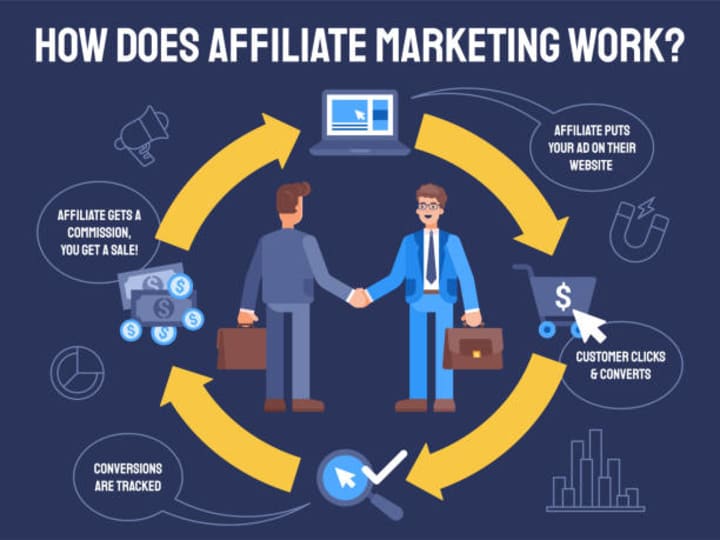
In simple terms, affiliate marketing is a type of performance-based marketing in which a business rewards an affiliate (or partner) for each visitor or customer that is brought to its website through the affiliate's marketing efforts. The affiliate earns a commission for each sale or lead generated.
For example, if you have a blog or website that focuses on fashion and beauty, you could become an affiliate for a clothing retailer and include affiliate links to their products within your content. If a visitor clicks on one of your affiliate links and makes a purchase, you earn a commission on that sale.
B. Benefits of Affiliate Marketing
There are many benefits of affiliate marketing, both for businesses and affiliates. Some of the main benefits include
- Increased reach and exposure for businesses
- Potential for increased sales and revenue
- Cost-effective marketing strategy
- Easy to get started and manage
- Potential for passive income for affiliates
C. Purpose of Blog Post
The purpose of this blog post is to provide a comprehensive guide for beginners who are looking to start affiliate marketing. We'll cover everything from setting up your affiliate program to promoting affiliate products and optimizing for conversions. By the end of this post, you'll have a solid understanding of how to start and succeed in affiliate marketing. So, let's get started!
Setting Up an Affiliate Marketing Program
Now that you understand the basics of affiliate marketing, it's time to start setting up your own program.
A. Choosing a Niche
The first step in setting up an affiliate marketing program is to choose a niche. A niche is a specific area of focus or topic that you will promote affiliate products within. For example, if you're interested in fashion and beauty, your niche would be fashion and beauty products. Choosing a niche that aligns with your interests and expertise will make it easier for you to create content and promote products.
B. Finding Affiliate Programs
Once you have a niche in mind, the next step is to find affiliate programs that align with your niche. Many companies have affiliate programs, including popular retailers like Amazon and Target, as well as smaller businesses. There are also affiliate networks, such as Commission Junction and Clickbank, which connect affiliates with multiple brands and products.
C. Signing Up for Affiliate Programs
Once you've found affiliate programs that align with your niche, the next step is to sign up for them. The process for signing up for affiliate programs varies depending on the program, but typically you'll need to provide some basic information, such as your website or blog URL and contact information. Some programs will also require you to be approved before you can start promoting products.
D. Understanding Affiliate Links and Banners
When you're accepted into an affiliate program, you'll be given a unique affiliate link or banner that you can use to promote products. An affiliate link is a special URL that tracks clicks and purchases made through that link. Banners are ads that can be placed on your website or blog to promote products. When someone clicks on one of your affiliate links or banners and makes a purchase, you earn a commission on that sale. It's important to understand how these links and banners work in order to effectively promote products and earn commissions.
Now that you've set up your affiliate program, the next step is to start promoting products. In the next section, we'll cover how to build a website or blog, create content, and utilize social media to promote affiliate products.
Check here : Super Affiliate Marketing Free Webinar
Promoting Affiliate Products
Now that you've set up your affiliate program and have your affiliate links and banners ready, it's time to start promoting products. There are several ways to promote affiliate products, including building a website or blog, creating content, utilizing social media, and paying to advertise.
A. Building a Website or Blog
One of the best ways to promote affiliate products is by building a website or blog. A website or blog allows you to create content and promote products to a larger audience. It also allows you to own your space on the internet and build a long-term brand. If you don't already have a website or blog, it's important to start building one as soon as possible.
B. Creating Content
Once you have a website or blog, the next step is to create content. Content is the key to driving traffic to your website and promoting affiliate products. You can create content in the form of blog posts, videos, infographics, and more. When creating content, it's important to focus on providing value and helping your audience. Your content should be relevant to your niche and offer useful information or solutions.

C. Utilizing Social Media
Social media is another great way to promote affiliate products. By using social media platforms like Facebook, Twitter, and Instagram, you can reach a large audience and drive traffic to your website. When using social media to promote affiliate products, it's important to be strategic and not come across as too pushy. Instead, focus on providing value and engaging with your audience.
D. Paid Advertising
Paid advertising can also be an effective way to promote affiliate products. You can use platforms like Google AdWords and Facebook Ads to target specific audiences and drive traffic to your website. However, paid advertising can be costly and requires a significant amount of budget and planning.
E. Email Marketing
Email marketing is also a powerful tool that can be used to promote affiliate products. By collecting email addresses from your website visitors, you can create a list of potential customers that you can target with your affiliate products. Email marketing requires a comprehensive strategy and should include tactics such as segmentation, personalized content, and A/B testing.
With these methods of promoting affiliate products, you'll be able to increase your reach, conversion rates, and ultimately, your earning potential. However, it's important to remember that promoting affiliate products is an ongoing process that requires patience, persistence, and dedication.
Optimizing for Conversion
Promoting affiliate products is only the first step in a successful affiliate marketing strategy. To truly be successful, you need to optimize your efforts for conversion.
A. Understanding Audience
The first step in optimizing for conversion is to understand your audience. By understanding who your audience is, what their needs and interests are, and what their pain points are, you'll be able to create content and campaigns that resonate with them. You can use tools such as Google Analytics and Facebook Insights to understand your audience better.
B. Tracking and Analyzing Data
Once you understand your audience, the next step is to track and analyze data. This includes monitoring website traffic, clicks on affiliate links, and conversion rates. By tracking and analyzing data, you'll be able to identify areas of improvement and understand what's working and what's not working.
C. A/B Testing
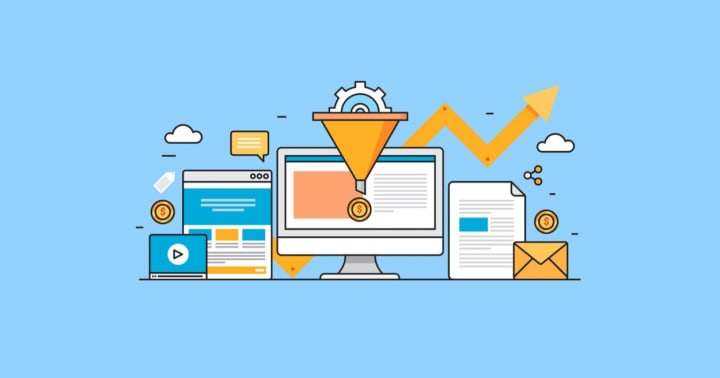
A/B testing is another effective way to optimize for conversion. A/B testing allows you to test different elements of your website or campaign, such as headlines, images, and calls to action, to see which ones have the greatest impact on conversion rates. You can use tools such as Google Optimize or Optimizely to run A/B tests on your website.
D. Improving Conversion Rates
After understanding your audience, tracking and analyzing data, and A/B testing, the final step is to implement changes to improve conversion rates. This can include making changes to your website, creating more compelling content, or adjusting your marketing strategy. With the right approach and consistent effort, you'll be able to improve your conversion rates and increase your earnings.
In summary, optimizing for conversion is a crucial step in achieving success in affiliate marketing. It requires understanding the audience, tracking and analyzing data, and continuously testing and improving your strategy. By following these steps and consistently refining your approach, you'll be able to boost your earnings and become a successful affiliate marketer.
Check here : Super Affiliate Marketing Free Webinar
Common Challenges and Solutions
Affiliate marketing can be a rewarding and profitable venture, but it's not without its challenges. In this section, we'll discuss some of the most common challenges and solutions to help you overcome them.
A. Low Traffic
Is a common challenge in affiliate marketing, and it can be difficult to generate consistent traffic to your website or blog. Some solutions to low traffic include creating compelling content, utilizing social media, and investing in paid advertising. You can also utilize SEO techniques to improve your website's search engine rankings, which can help drive more organic traffic.
B. Low Conversion Rates
Another common challenge is low conversion rates. This can happen when you're not effectively targeting the right audience or not providing the value that your audience is looking for. To improve conversion rates, you should focus on understanding your audience, optimizing your website for conversions, and testing different elements of your website and campaigns.
C. Choosing the Right Affiliate Products
Choosing the right affiliate products is important to ensure that you are promoting something your audience is interested in, and what can help them. To find the right affiliate products, you should research your niche and identify the products that align with your niche and audience. Make sure to also consider things like commission rates, return policies, and customer reviews before promoting a product.
D. Finding the Right Audience
Finally, finding the right audience can be a challenge in affiliate marketing. To find the right audience, you should research your niche and identify the demographics that align with your niche. Once you've identified your audience, you can use tools like Google Analytics and Facebook Insights to understand their behavior and tailor your marketing strategy to reach them more effectively.
Overall, the key to overcoming these challenges is to stay informed and be patient. Keep in mind that affiliate marketing takes time and effort to be successful. By continually monitoring your progress, tracking your data, and testing different methods, you will eventually find the right formula that works best for you and your audience.
Conclusion
Affiliate marketing is a popular and effective way for businesses to promote their products and services, and for individuals to earn money through their website or blog.
A. Recap of Tips and Tricks
In this guide, we've covered everything from setting up your affiliate program, promoting affiliate products, optimizing for conversions, and overcoming common challenges. We've discussed the importance of choosing a niche, finding affiliate programs, promoting products using a website or blog, creating content, utilizing social media, and paid advertising, understanding and targeting the audience, tracking and analyzing data, A/B testing, and improving conversion rates.
B. Final Thoughts
Affiliate marketing can be a great way to earn money and promote products, but it's important to keep in mind that it's not a get-rich-quick scheme. It takes time and effort to be successful. However, with the right approach, dedication, and patience, you can achieve great results in the long run.
C. Additional Resources
There are many resources available to help you succeed in affiliate marketing, including blogs, forums, and online courses. Some popular resources include Clickbank, Commission Junction, and Amazon Associates, as well as blogs like Problogger, Smart Passive Income, and Shoutmeloud.
D. Call to Action
Now that you've read this guide, it's time to put what you've learned into action. Start building your website or blog, create content, and start promoting affiliate products. Remember to be patient and persistent, and always be open to learning and improving. We wish you the best of luck in your affiliate marketing journey!
Thanks for reading!
About the Creator
Bikka Yugandhar Reddy
My name is Yugandhar .I am Digital Marketer with a passion for understanding the ever-evolving world of online marketing. With an interest in all things digital
Keep reading
More stories from writers in 01 and other communities.
Top 10 SEO Experts in Pakistan 2026
Pakistan continues to establish itself as a key contributor to the global digital marketing industry. By 2026, the country has developed a mature SEO ecosystem that extends well beyond traditional keyword optimization.
By SEO EXPERT IN PAKISTAN 20254 days ago in 01
Best AR15 Rail Systems for Home Defense, Duty & Range Use
The AR15 platform is renowned for its modularity, and choosing the right rail system—also known as an AR15 handguard or AR15 rail—can significantly enhance performance for specific applications. For home defense, the Aero Precision ATLAS S-ONE stands out as a lightweight, slim M-LOK option that allows quick accessory mounting like lights for low-light scenarios. In duty use, the Midwest Industries Combat Rail excels with its rugged quad-rail design for heavy attachments. For range sessions, the STNGR HWK M-LOK handguard offers excellent value, balancing weight and versatility for extended shooting.
By Ar15handguard5 days ago in 01
Thoughts on Vocal and the way the world is
"Death cannot stop true love, only delay it." – Wesley in The Princess Bride. I decided to come back to Vocal on a very cold and dark night at the end of December. I had been, and still am, convalescing from a horrible staph infection that had gone misdiagnosed for months. This, paired with the increasing challenges of being healthy, making the best choices for my co-parented child, being a wife, and being a director at a new job, was a lot to manage.
By Jazzy 5 days ago in Confessions


Comments
There are no comments for this story
Be the first to respond and start the conversation.