
Gamified Reward Systems in Digital Entertainment
How Interactive Spin Mechanics Improve Engagement

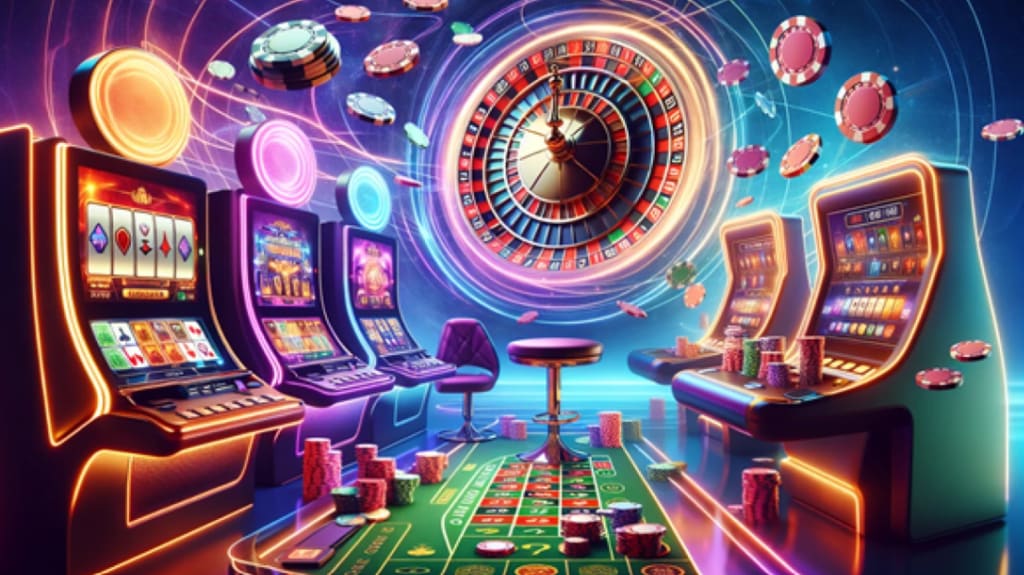
Gamification has transformed the way digital products retain users, enhance engagement, and encourage repeat interactions. It is no longer confined to marketing campaigns or educational apps. Today, some of the most engaging mobile games, fitness platforms, e-learning tools, and loyalty applications use gamified systems that reward users for participation and progress.
Among these mechanics, interactive spin systems have emerged as one of the most compelling engagement tools. When thoughtfully integrated, spin-based mechanics trigger curiosity, anticipation, and reward satisfaction, which are powerful psychological motivators. This article explores how spin-based reward systems work, why they are so effective, and how digital entertainment brands apply them responsibly to improve user retention and satisfaction.
Understanding Gamified Reward Systems
A gamified reward system is a structured method of incentivizing users to take actions by rewarding them with points, badges, levels, progress bars, virtual currencies, or unlockable items. These systems leverage core psychological principles such as:
Positive reinforcement: Rewarding desired behavior increases the likelihood of repetition.
Goal-setting and progress tracking: Users stay motivated when they see achievement along the way.
Uncertainty and anticipation: The excitement of unpredictable rewards keeps users engaged.
Interactive spin mechanics use these principles with one additional ingredient: controlled randomness. Users interact with a wheel, spinner, or reel-based interface to trigger rewards. This small act requires user participation, making the system feel active, not passive.
What Are Interactive Spin Mechanics
Interactive spin mechanics are user engagement tools where the reward is determined through a spin animation. These spin interfaces are used across many industries today:
- Mobile games use daily spin wheels for rewards.
- Retail loyalty apps use spin-to-win campaigns.
- Fitness and habit apps use spin rewards to celebrate milestones.
- Educational platforms use spin mechanics as progress incentives.
Their strong appeal lies in the emotional experience they create. Rather than offering fixed rewards, spin mechanics use randomized reinforcement, which builds anticipation and emotional investment. Studies in behavioral psychology show that unpredictable rewards are more engaging than predictable ones.
Why Spin Mechanics Drive Engagement
1. They Build Anticipation
The spin animation is a deliberate moment of suspense. Users are drawn into waiting for the outcome, which heightens emotional engagement. Even small rewards feel exciting due to the build-up.
2. They Encourage Repeat Interaction
Daily rewards are one of the most effective retention strategies in digital entertainment. When tied to a spin mechanic, users return daily to see what they will get next.
3. They Make Rewards Feel Earned
Unlike passive rewards, spin systems require the user to tap, swipe, or interact. This small participation creates a sense of agency, making the outcome feel earned, not given.
4. They Increase Average Session Time
Even a simple spin mechanic adds interactive time to a platform. It keeps users engaged for longer and opens opportunities for further interaction.
Ethical Design Considerations
Spin-based engagement tools must be implemented responsibly. Poor design can encourage excessive repetitive behavior or frustrate users with unfair or distant rewards. To avoid this, responsible developers use:
- Transparent reward logic with clear probabilities
- Balanced outcomes so users always feel rewarded
- Frequency limits to prevent overuse
- User control over when and how they spin
- No exploitative mechanics
Digital trust is essential. Users appreciate engaging systems but do not tolerate manipulation. Ethical design builds long-term loyalty.
Practical Applications of Spin Mechanics Beyond Gaming
Interactive spin mechanics are not limited to entertainment or games. Many industries use them to increase engagement, retention, or motivation.
E-commerce Loyalty Programs
Brands use spin wheels during promotions or loyalty milestones. For example, a user spins to receive a discount or reward after a purchase. This keeps users curious and increases repeat visits.
Education and E-Learning
To make learning milestones fun, educational apps integrate spin mechanics after quiz completions. Rewards may include hints, custom avatars, or virtual achievements. This makes learning more interactive and reduces fatigue.
Wellness and Fitness
Apps like habit trackers and workout programs use spins to celebrate streaks or milestones. These spins may unlock badges, workout gear designs, or motivational messages.
Business Productivity Platforms
Some companies use spin boards in team-building tools to motivate employees. These help increase participation in feedback systems or training modules.
Designing Effective Spin Systems
Creating a successful spin mechanic is not about copying a wheel layout but understanding user motivation. Below are design fundamentals used by experienced interactive game and app developers.
1. Reward Weighting
Not all rewards should have equal probability. A balanced system gives frequent small rewards and occasional larger rewards, maintaining both satisfaction and anticipation.
2. Visual Design
Animations, sound effects, and visual cues should all contribute to excitement without overwhelming the user. The spin animation should feel smooth and realistic.
3. Fairness and Transparency
Users should always understand how rewards are distributed. Clarifying reward tiers and adding visible probabilities builds trust.
4. Integration with User Journey
The spin mechanic should not feel like a gimmick. It must connect naturally to user milestones such as completing lessons, reaching a streak, or logging daily sessions.
Example: Mid-Level Integration Use Case
Imagine a mobile learning app designed to help users learn languages. Instead of using only badges and levels, the app integrates a spin mechanic after completing each learning module. Users spin to earn randomized learning boosters like pronunciation tools or grammar hints. This encourages completion while making each stage feel rewarding.
Similarly, in interactive entertainment platforms, companies often integrate spin-based mechanics to increase engagement through reward-based progression. Teams sometimes work with specialized interactive game service providers to implement these features. For example, when building advanced spin mechanics, some developers collaborate with a slot game development company to utilize their expertise in interactive spin animations and reward balancing. This allows brands to enhance user engagement with dynamic spin-based systems that are both visually engaging and technically scalable. Such companies can provide strong technical foundations for complex spin mechanics and can integrate them smoothly into mobile or web platforms.
The key to success is using these mechanics to enhance the experience, not distract from it.
Common Mistakes to Avoid
Not all spin reward systems work well. Poorly executed mechanics can make users leave an app entirely. Common pitfalls include:
Overuse: Giving too many spin chances reduces value.
Unfair results: If users feel tricked, trust is lost quickly.
Slow animations: Long spin times feel like delays and frustrate users.
No progression: Without meaningful reward scaling, users lose interest.
No purpose: Reward systems must align with user goals, not feel like pointless features.
A good spin system is subtle, fair, and rewarding without excessive repetition.
Measuring Success
Gamified mechanics should improve engagement metrics, not just add animation. After deployment, teams measure success using:
- Daily active users
- Session duration
- Return rate
- Conversion to premium actions
- Drop-off rate after spin interaction
- User satisfaction surveys
Success means users enjoy the mechanic and feel that it adds value. If metrics decline, reward logic or UI design needs adjustment.
The Future of Gamified Mechanics
Interactive reward systems will continue evolving with artificial intelligence and personalization. Future spin mechanics may include:
- Dynamic reward adjustments based on user behavior
- Personalized spin outcomes tied to learning or growth paths
- Transparent machine learning systems that adapt to avoid repetition
- Augmented reality spin experiences
- Cross-platform reward ecosystems
As digital products become more immersive, engagement systems must evolve to remain relevant. Spin tools will remain useful as long as they are designed with purpose rather than novelty.
Final Thoughts
Spin mechanics show how simple interaction can profoundly improve digital engagement. Their power lies not in chance but in creating emotional participation through anticipation, interaction, and reward. When paired with ethical design and meaningful rewards, interactive spin systems can:
Increase retention
Enhance user satisfaction
Support meaningful progress
Make learning and entertainment more rewarding
Used thoughtfully, they can add value to a wide range of digital experiences across industries. The goal is not to create addictive loops, but enjoyable interactive systems that reward consistent participation.
If designed responsibly and professionally, spin-driven gamification can be a powerful force in digital user experience and engagement strategy.
About the Creator
Krishan
I’m a tech enthusiast exploring the intersection of gaming and software development. I enjoy learning about how technology shapes digital experiences and sharing ideas that push the industry forward.
Jeff Bezos' head-turning then-and-now photos from high schooler to Amazon billionaire
The businessman and entrepreneur has undergone a huge transformation over the years Looking at Jeff Bezos today, with his $252 billion fortune and life of luxury, it's difficult to imagine him as a regular child, let alone as a short-order cook at McDonald's.
By Dena Falken Esq7 days ago in 01
Winter Clothing: Purpose, Materials, and Modern Use
Winter clothing plays an essential role in human adaptation to cold environments. Across history, people have relied on specialized garments to protect themselves from low temperatures, wind, and moisture. While early winter clothing focused almost entirely on survival, modern cold-weather wear has developed into a balance of function, comfort, and everyday practicality. Today, winter clothing is shaped by advances in materials, changes in lifestyle, and evolving expectations of durability and versatility.
By charliesamuel7 days ago in 01
Silver Screen Magic with Mae West
American actress and singer Mae West became a popular film actress during the Great Depression. She started entertaining in vaudeville, then performed on Broadway, and finally went to Hollywood. She signed up with Paramount Pictures and made her debut in the 1932 film “Night After Night.” She also starred in musicals, comedies, and crime dramas. The American Film Institute named her one of the best classic Hollywood actresses.
By Rasma Raisters6 days ago in Geeks



Comments
There are no comments for this story
Be the first to respond and start the conversation.